ข่าว (News)

Eating, Drinking, and Moving Around for Less: Street Food, Local Markets, Bikes, and Bargaining Strategies

Laos, the landlocked gem of Southeast Asia, offers an enchanting blend of ancient traditions, stunning natural beauty, and a remarkably affordable travel experience. For those seeking an immersive adventure without emptying their wallets, mastering the art of Laos budget travel is key. This comprehensive guide will equip you with the knowledge to savor delicious local cuisine, navigate bustling markets, explore on two wheels, and negotiate like a pro, ensuring your journey through Laos is both enriching and economical. [9]

Eating for Less: Street Food Delights

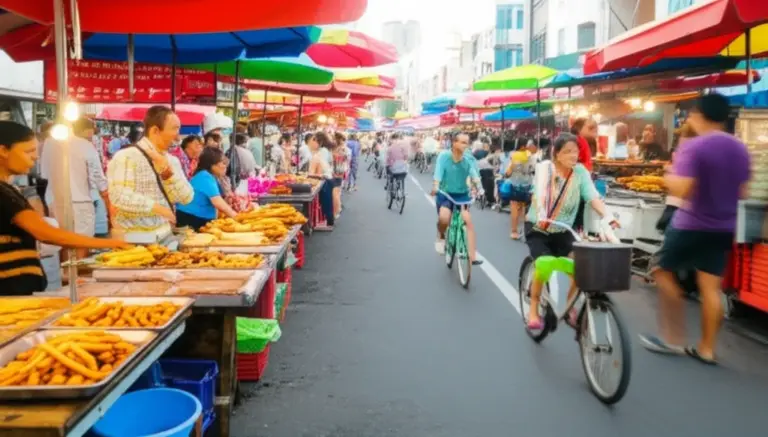
The culinary scene in Laos is a vibrant tapestry of flavors, and the best way to experience it affordably is through its incredible street food. From aromatic noodle soups to grilled meats and fresh fruit shakes, street vendors offer a gastronomic adventure that’s easy on the wallet. [11]

Why Street Food?

  • Unbeatable Prices: A full meal can often be had for as little as 10,000-20,000 LAK (approximately $0.50 – $1.00 USD). [11]
  • Authentic Flavors: Experience traditional Lao dishes prepared fresh before your eyes.
  • Local Immersion: Eating where locals eat offers a genuine insight into daily life.

Must-Try Dishes

Dish Description Typical Cost (LAK)
Khao Piak Sen Thick rice noodle soup, often with chicken or pork. 15,000-25,000
Laap Minced meat salad (chicken, beef, pork, or fish) with herbs and lime. 20,000-35,000
Tam Mak Hoong (Papaya Salad) Spicy green papaya salad, a staple in Lao cuisine. 10,000-20,000
Khao Jee (Lao Sandwich) Baguette sandwich with pate, pork, or other fillings, a French colonial legacy. [4] 10,000-20,000
Sai Oua (Lao Sausage) Flavorful grilled pork sausage with herbs. [11] 5,000-10,000 (per piece)

Hygiene Tips

While street food is generally safe and delicious, it’s wise to observe a few precautions:

  • Look for stalls with high customer turnover, ensuring fresh ingredients.
  • Choose food that is cooked fresh and served hot.
  • Opt for bottled water or drinks without ice, or ensure ice is made from purified water.

Drinking on a Budget: Local Sips

Staying hydrated and enjoying local beverages doesn’t have to be expensive.

Water & Hydration

Tap water is generally not safe to drink in Laos. Stock up on large bottles of purified water from convenience stores or supermarkets, which are significantly cheaper than smaller bottles from tourist shops. Many guesthouses offer free water refills, so bring a reusable bottle.

Local Beverages

Indulge in local delights like fresh fruit shakes (often blended with condensed milk) or the famous Beerlao, which is widely available and much more affordable than imported beers. Lao coffee, often served strong with condensed milk, is another budget-friendly and delicious option. [4]

Navigating Laos Affordably: Moving Around

Transportation costs can quickly add up, but Laos offers several economical ways to explore its landscapes and cities. This is a crucial aspect of successful Laos budget travel.

Bikes & Scooters

Renting a bicycle is perhaps the cheapest and most immersive way to get around smaller towns like Luang Prabang or Vang Vieng. Daily rentals typically cost around 10,000-20,000 LAK ($0.50-$1.00 USD). For longer distances or more freedom, consider renting a scooter (motorcycle). These usually range from 50,000-100,000 LAK ($2.50-$5.00 USD) per day, plus fuel. Always check the bike’s condition and wear a helmet. [10]

Tuk-Tuks & Songthaews

For short distances, tuk-tuks are ubiquitous. Always agree on a price before you start your journey. For intercity travel, especially between nearby towns, songthaews (converted pickup trucks with benches) are a popular and very cheap option. They often operate on fixed routes but can also be hired privately (negotiate hard!).

Walking

Many of Laos’s charming towns, particularly Luang Prabang, are best explored on foot. This allows you to discover hidden temples, quaint cafes, and local shops at your own pace, completely free of charge.

Mastering the Art of Bargaining

Bargaining is an integral part of shopping and negotiating services in Laos, especially in markets and with tuk-tuk drivers. It’s not about being aggressive, but rather understanding the local custom and finding a fair price.

When to Bargain

  • Night markets and local markets (for souvenirs, clothing, crafts).
  • Tuk-tuks and private transport.
  • Sometimes for guesthouse rooms if staying for multiple nights, especially during low season.

How to Bargain Effectively

  • Be Polite and Friendly: A smile goes a long way.
  • Start Low: Offer about 50-70% of the asking price, then slowly increase.
  • Observe: Watch how locals bargain and try to emulate their approach.
  • Be Prepared to Walk Away: If the price isn’t right, politely decline and move on. Often, the seller will call you back with a better offer.
  • Learn Basic Lao Phrases: Even a few words like ‘tao dai?‘ (how much?) can be helpful.

Local Markets: A Budget Traveler’s Paradise

Beyond street food, local markets are central to Laos budget travel. They are hubs of activity where you can find everything from fresh produce and delicious cooked meals to textiles and unique handicrafts. [11, 13]

What to Find

  • Fresh Produce: Seasonal fruits and vegetables are incredibly cheap.
  • Souvenirs: Hand-woven textiles, silver jewelry, and wood carvings are often found at better prices than in dedicated tourist shops.
  • Local Snacks: Sample a variety of sweet and savory snacks you might not find elsewhere.

Market Etiquette

Approach market vendors with respect and a friendly attitude. While bargaining is expected for non-food items, prices for fresh produce and cooked food are generally fixed and very low already. Be mindful of your belongings in crowded areas.

Additional Budget-Saving Tips

  • Accommodation: Opt for guesthouses or hostels, which are incredibly affordable, especially outside major tourist hubs. [2, 7]
  • Travel During Shoulder Season: May to October offers lower prices and fewer crowds, though it’s also the rainy season.
  • Local SIM Card: Purchase a local SIM card for cheap data and calls, rather than relying on expensive roaming. [6]
  • Free Activities: Enjoy sunsets over the Mekong River, visit temples (many are free or have a small donation box), or simply wander through charming villages.
  • ATM Withdrawals: Withdraw larger sums to minimize ATM fees, or use travel-friendly bank cards.

By embracing these strategies, your Laos budget travel adventure will be filled with authentic experiences, delicious food, and memorable explorations, all without straining your finances. Laos truly offers incredible value for the intrepid traveler willing to live like a local.


คำถามที่พบบ่อย (FAQ)


For a comfortable Laos budget travel experience, you can typically get by on $15-$30 USD per day, excluding major tours or long-distance transport. This covers basic accommodation, street food, local transport, and some activities. Some travelers even manage on less than $5 a day by staying in very cheap hostels and eating only street food. [2]

Is it safe to eat street food in Laos?

Yes, street food in Laos is generally safe and delicious. To minimize risk, choose stalls with a high turnover of customers, ensuring fresh ingredients. Opt for food that is cooked fresh and served hot, and avoid dishes that have been sitting out for too long. Observing where locals eat is also a good indicator of quality and safety.

What is the best way to get around Laos on a budget?

The most budget-friendly ways to travel in Laos include renting bicycles for short distances in towns, using local buses or songthaews for intercity travel, and walking extensively. For longer distances, slow boats on rivers can also be an economical and scenic option. Always try to negotiate prices for tuk-tuks before starting your journey. [10]

Is bargaining common in Laos, and how should I do it?

Bargaining is common and expected in Laos, especially at markets for souvenirs and handicrafts, and when negotiating fares for tuk-tuks or private transport. Approach it with a friendly smile, start by offering about 50-70% of the asking price, and be prepared to slowly increase your offer. It’s a polite negotiation, not a confrontation. If the price isn’t right, you can always walk away; often, the vendor will call you back with a better deal.

References