Safety, Gear, and Practical Tips: Boat Tours, Photography, Weather Considerations, and Accessibility
- Safety, Gear, and Practical Tips: Boat Tours, Photography, Weather Considerations, and Accessibility
Embarking on a boat tour in Laos, particularly along the majestic Mekong River or the tranquil Nam Ou, is one of Southeast Asia’s most iconic and rewarding travel experiences. From the two-day slow boat journey between Huay Xai and Luang Prabang to shorter excursions to the Pak Ou Caves, these waterways are the lifeblood of the country and offer unparalleled views of rural life. However, to ensure a smooth and memorable trip, travelers must be prepared. This comprehensive guide covers essential **Laos boat tour safety tips**, the right gear to pack, how to master photography in challenging conditions, and practical considerations for weather and accessibility.
Safety should always be your number one priority when traveling in developing regions. While boat tours are generally safe, the standards of maintenance and safety equipment may differ from what you are accustomed to. Adhering to these **Laos boat tour safety tips** is crucial, especially when traveling on the popular slow boats.
Prioritizing Safety on Lao Boat Tours
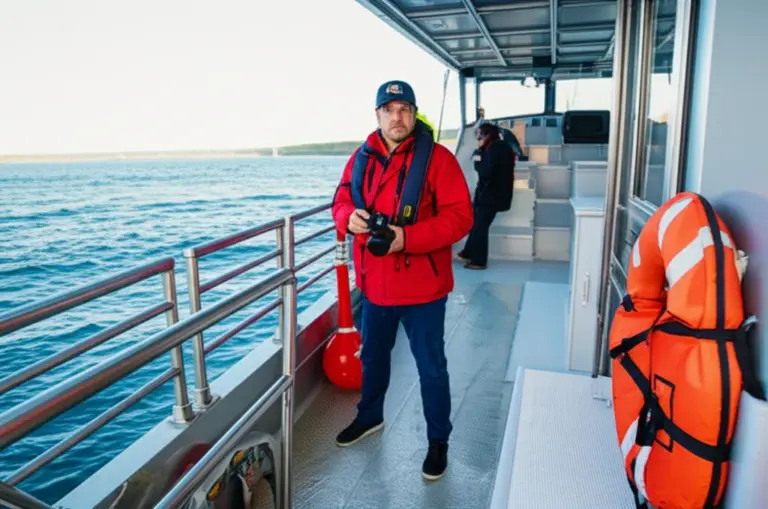
- **Life Jackets:** Always locate and check the condition of life jackets immediately upon boarding. While they may not be readily visible or plentiful on all local transport boats, insist on one if possible, especially for children.
- **Overcrowding:** Avoid boats that appear dangerously overcrowded. If you feel uneasy about the number of passengers or cargo, wait for the next boat or seek an alternative mode of transport.
- **Vessel Condition:** Observe the general state of the boat. Reputable tour operators often use better-maintained vessels. Look for clear emergency exits and stable seating.
- **Valuables:** Keep your bags and valuables secure and on your person, particularly on overnight journeys or crowded public boats.
Essential Gear for Your River Journey
Even on a multi-day journey, keep a small waterproof daypack with water, snacks, first-aid, sunscreen, and essential documents (passport, money) separate from your main luggage. This ensures you have immediate access to necessities.
| Gear Category | Recommended Items | Why It Matters |
|---|---|---|
| **Comfort & Health** | Pillow, Blanket/Sarong, Hand Sanitizer, Motion Sickness Pills | Seats can be hard and the journey long. Hygiene can be basic. |
| **Protection** | Sunscreen (High SPF), Hat, Sunglasses, Insect Repellent (DEET) | The sun is intense on the open water; mosquitoes are a concern, especially near the banks. |
| **Hydration & Food** | Reusable Water Bottle (with filter), Snacks (Nuts, Energy Bars) | Staying hydrated is key. Boat food/snacks are limited and sometimes unhygienic. |
Mastering Photography on the Mekong and Beyond
Laos’ rivers offer stunning, dynamic photo opportunities—from misty mornings over the water to vibrant village life on the banks. However, the environment presents unique challenges: low light, constant movement, and the risk of water damage.
Capturing the Scenery: Tips for Photographers
- **Embrace the Movement:** Use a fast shutter speed (e.g., 1/500th or higher) to freeze the motion of the boat, or, conversely, use a slow shutter speed with a stable object (like a railing) to create motion blur for a dramatic effect.
- **Golden Hour Magic:** The best photos are taken during sunrise and sunset. Position yourself to capture the light reflecting off the water and the silhouettes of the hills and passing boats.
- **Candid Portraits:** Ask permission before photographing locals, especially children. Be respectful and maintain a distance. The boat journey itself is a great place to capture candid shots of fellow travelers.
Protecting Your Equipment from Water and Dust
The river environment is hostile to electronics. Dust from the banks and spray from the water are constant threats. Always carry a dry bag or a waterproof camera cover. A microfiber cloth is essential for constantly wiping away dust and water spots from lenses.
Weather Considerations: Planning for Laos’ Climate
Laos has two main seasons that significantly impact river travel: the dry season (October to April) and the wet/monsoon season (May to September). Your travel experience will vary greatly depending on when you go.
Understanding the Seasons: Dry vs. Wet
- **Dry Season (October – April):** Water levels are lower, which can make the journey slower and sometimes riskier, as boats must navigate shallow rapids. However, the weather is generally sunny and pleasant for sightseeing.
- **Wet Season (May – September):** Water levels are higher and currents are stronger, which can make the journey faster but also more turbulent. Heavy rain can obscure visibility and make the boat journey less comfortable. Roads leading to boat docks may also be impassable.
Preparing for Unexpected Weather Changes
Regardless of the season, a lightweight, packable rain jacket is indispensable. Temperatures can drop significantly in the evenings or during rain showers, especially on the water, so a thin thermal layer is also recommended.
Watch Before You Go: Slow Boat Experience
To get a real-world perspective on the slow boat journey and avoid common pitfalls, watch this essential guide from travelers who have completed the trip:
Accessibility and Inclusivity in Laos Tourism
Laos remains a challenging destination for travelers with mobility concerns. Infrastructure, particularly at river docks and on the boats themselves, is not built to Western accessibility standards. However, with careful planning and a flexible attitude, a Lao boat tour is still possible.
River landings are often makeshift, involving steep, uneven dirt banks or wooden planks. Boarding the boat typically requires stepping over high ledges or onto slippery decks. Public transport is rarely equipped with ramps or lifts.
Practical Tips for Accessible Travel
- **Pre-Arrange Assistance:** If possible, book through a high-end or specialized tour operator who can arrange for staff assistance at the ports. This is especially true for luxury cruises where service standards are higher.
- **Travel with a Companion:** Having a strong travel partner is invaluable for navigating uneven terrain and boarding/disembarking the boats.
- **Choose Your Route Wisely:** Shorter, more managed tours (like those around Luang Prabang) often have better infrastructure than the long-haul public slow boat services.
Conclusion: Embrace the Lao River Experience
The beauty of Laos is inextricably linked to its rivers. By applying these practical tips regarding safety, gear, photography, weather, and accessibility, you can transform what might be a daunting journey into a truly immersive and unforgettable cultural experience. Prepare well, be flexible, and enjoy the slow, mesmerizing pace of life on the Mekong.
คำถามที่พบบ่อย (FAQ)
Yes, the slow boat is generally safe for solo female travelers. Most passengers are tourists, and the journey is a popular, well-traveled route. However, standard precautions apply: keep valuables secure, do not accept drinks from strangers, and book accommodation in advance for the overnight stop in Pakbeng to avoid late-night searching.
The best time is during the dry season, from November to February, when temperatures are cooler and the weather is reliably sunny. While water levels are lower, causing a slower journey, the conditions for sightseeing and comfort are optimal. The shoulder months of October and March are also excellent.
Absolutely. While public slow boats typically stop at points where basic food and drinks are sold, the selection is limited and not always hygienic. Bringing a sufficient supply of snacks, a reusable water bottle with a filter (or bottled water), and any specific dietary necessities is highly recommended for comfort and health.
Yes, public slow boats typically have a basic toilet facility onboard, usually a squat toilet. Travelers are advised to bring their own toilet paper and hand sanitizer, as these amenities are often not supplied or maintained to a high standard.
- Kong Lor Cave: An Epic Underground River Adventure — Complete Visitor’s Guide to Laos’s Subterranean Wonder
- What to Expect Inside Kong Lor Cave: Geography, Wildlife, and the Unique Underground River Experience
- How to Plan Your Trip: Getting to Kong Lor, Best Times to Visit, Permits, and Guided Tour Options