Handicraft Villages Around Luang Prabang: A Traveler’s Guide to Weaving, Natural Dyeing, and Traditional Silverwork
- Handicraft Villages Around Luang Prabang: A Traveler’s Guide to Weaving, Natural Dyeing, and Traditional Silverwork
- The Enduring Charm of Luang Prabang’s Handicrafts
- Weaving Wonders: The Art of Lao Textiles
- The Palette of Nature: Natural Dyeing Techniques
- Glimmering Traditions: Luang Prabang’s Silverwork
- Beyond the Crafts: Immersive Cultural Experiences
- Tips for the Ethical Traveler
- คำถามที่พบบ่อย (FAQ)
- Q1: What are the main handicraft villages to visit near Luang Prabang?
- Q2: Can I participate in workshops in these villages?
- Q3: What types of products can I buy in the handicraft villages?
- Q4: How can I ensure I am buying ethically and supporting local artisans?
- Q5: How do I get to the handicraft villages from Luang Prabang?
- References
Nestled amidst the lush landscapes of Northern Laos, the ancient town of Luang Prabang is a UNESCO World Heritage site renowned not only for its stunning temples and Mekong River views but also for its vibrant cultural heritage. A visit to this enchanting destination is incomplete without exploring the exquisite artistry found in the **Handicraft Villages Around Luang Prabang**. This guide invites you to delve into the intricate worlds of traditional weaving, the sustainable beauty of natural dyeing, and the shimmering elegance of traditional silverwork, offering an authentic glimpse into the heart of Lao craftsmanship.
The Enduring Charm of Luang Prabang’s Handicrafts
For centuries, handicrafts have been an integral part of Lao culture, reflecting the spiritual beliefs, daily lives, and natural environment of its people. These traditions have been passed down through generations, preserving ancient techniques and fostering a deep connection between the artisans and their creations. The **Handicraft Villages Around Luang Prabang** serve as living museums, where visitors can witness the meticulous processes involved in crafting everything from silk textiles to delicate silver jewelry.
These villages are not just production centers; they are vibrant communities where cultural exchange flourishes. Travelers have the unique opportunity to observe, learn, and even participate in workshops, creating unforgettable memories and gaining a profound appreciation for Lao artistry.
Weaving Wonders: The Art of Lao Textiles
Lao textiles are renowned for their intricate patterns, vibrant colors, and the stories woven into every thread. The art of weaving is deeply spiritual, often intertwining with animist beliefs and Buddhist philosophy. From the delicate silk sarongs to the sturdy cotton blankets, each piece is a testament to the weaver’s skill and patience.
Ban Phanom: A Village of Master Weavers
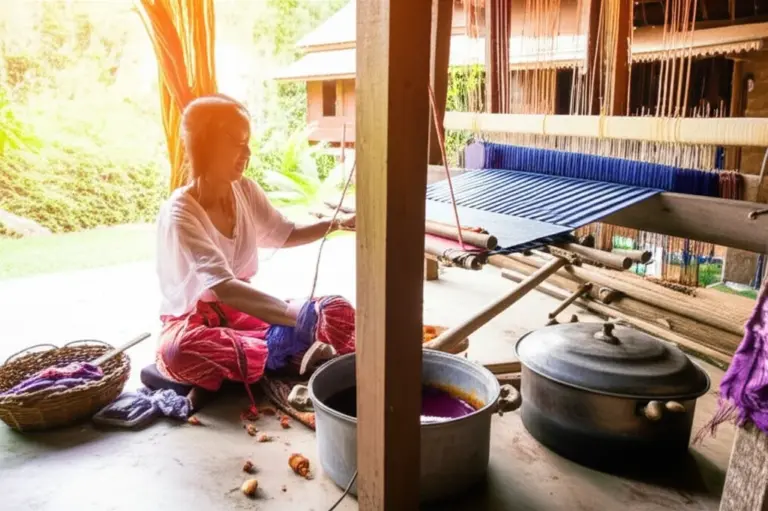
Just a short drive from Luang Prabang, Ban Phanom is perhaps the most famous weaving village. Here, generations of artisans have perfected the art of silk and cotton weaving. Visitors can stroll through the village, witnessing women working on traditional wooden looms beneath their homes. The textiles produced here often feature elaborate motifs inspired by nature, mythology, and daily life.
- What to Expect: Live weaving demonstrations, a wide selection of scarves, clothing, and home décor items.
- Best Time to Visit: Morning hours are ideal for seeing the most activity.
Ock Pop Tok: A Sustainable Approach to Lao Silk
Meaning ‘East Meets West’ in Lao, Ock Pop Tok is a social enterprise that beautifully blends traditional Lao craftsmanship with contemporary design. Located on the banks of the Mekong River, their Living Crafts Centre offers an immersive experience into the world of Lao textiles. They are particularly renowned for their dedication to natural dyeing and ethical practices, supporting hundreds of artisans across Laos.
Visitors can take part in various workshops, from silk weaving to natural dyeing, gaining hands-on experience and a deeper understanding of the craft. Their beautiful shop showcases exquisite textiles, and their riverside café offers a serene spot to relax.
The Palette of Nature: Natural Dyeing Techniques
One of the most captivating aspects of Lao textiles is their vibrant, yet earthy, color palette, achieved through the ancient art of natural dyeing. Artisans meticulously extract pigments from local plants, roots, bark, and insects. Indigo from the indigo plant, rich reds from lac insects, yellows from turmeric, and browns from mahogany bark are just a few examples.
This sustainable practice not only yields stunning and unique colors but also reflects a deep respect for nature and traditional knowledge. Learning about these processes offers a fascinating insight into the ingenuity of Lao artisans.
Glimmering Traditions: Luang Prabang’s Silverwork
Beyond textiles, Luang Prabang is also known for its exquisite traditional silverwork. This craft, often practiced by ethnic minority groups, produces intricate jewelry, ceremonial objects, and decorative items that are both beautiful and culturally significant. The silver pieces are typically high-purity (often 92.5% sterling silver) and are handcrafted using traditional tools and techniques.
Ban Xang Khong: Where Silver Shines
While Ban Phanom is famous for textiles, Ban Xang Khong, another village just outside Luang Prabang, is historically known for its paper making and, increasingly, its silverwork. Here, you can find artisans meticulously shaping and engraving silver into stunning pieces. The designs often incorporate traditional Lao motifs, reflecting local flora, fauna, and cultural symbols.
Visiting these workshops allows you to appreciate the precision and artistry involved in transforming raw silver into wearable art or decorative masterpieces. It’s a perfect opportunity to find a unique and meaningful souvenir.
Beyond the Crafts: Immersive Cultural Experiences
Exploring the **Handicraft Villages Around Luang Prabang** offers more than just shopping; it’s an opportunity for deep cultural immersion. Many centers and villages provide hands-on workshops where you can try your hand at weaving, dyeing, or even basic silver crafting. These experiences foster a greater understanding and appreciation for the skills and traditions being preserved.
| Activity | Description | Best For |
|---|---|---|
| Weaving Workshops | Learn basic loom techniques and create a small textile piece. | Hands-on learners, textile enthusiasts |
| Natural Dyeing Classes | Discover how natural pigments are extracted and applied to fabrics. | Eco-conscious travelers, art lovers |
| Village Tours | Guided walks through craft villages to meet artisans and see demonstrations. | Cultural explorers, photographers |
Tips for the Ethical Traveler
When visiting the **Handicraft Villages Around Luang Prabang**, consider these tips to ensure a positive and responsible experience:
- Buy Directly: Purchasing directly from the artisans in the villages ensures they receive a fair price for their hard work.
- Bargain Respectfully: While bargaining is common, do so with a smile and respect for the artisan’s effort. Avoid aggressive negotiation.
- Ask for Permission: Always ask before taking photos of people, especially children, or their workshops.
- Support Fair Trade: Look for organizations like Ock Pop Tok that prioritize fair wages and sustainable practices.
The **Handicraft Villages Around Luang Prabang** offer a truly enriching travel experience, connecting visitors with the soul of Lao culture through its beautiful and meaningful crafts. From the rhythmic clatter of looms to the gentle gleam of polished silver, each village tells a story of tradition, resilience, and artistic passion. Make sure to include these authentic encounters in your Luang Prabang itinerary for a journey that’s both visually stunning and deeply rewarding.
คำถามที่พบบ่อย (FAQ)
Q1: What are the main handicraft villages to visit near Luang Prabang?
A1: The most prominent handicraft villages are Ban Phanom (known for weaving), Ban Xang Khong (historically for paper and now also silverwork), and the Ock Pop Tok Living Crafts Centre (for weaving, natural dyeing, and ethical tourism).
Q2: Can I participate in workshops in these villages?
A2: Yes, many places, especially Ock Pop Tok, offer hands-on workshops in weaving, natural dyeing, and other crafts. It’s recommended to check their websites or inquire locally for schedules and bookings.
Q3: What types of products can I buy in the handicraft villages?
A3: You can find a wide array of products including silk and cotton textiles (scarves, clothing, wall hangings), intricate silver jewelry and decorative items, handmade paper, and other traditional souvenirs.
Q4: How can I ensure I am buying ethically and supporting local artisans?
A4: To support local artisans, buy directly from the villages or from recognized fair trade organizations like Ock Pop Tok. Avoid mass-produced items and always bargain respectfully.
Q5: How do I get to the handicraft villages from Luang Prabang?
A5: The villages are typically a short tuk-tuk ride or bicycle ride from the main town of Luang Prabang. Some guesthouses and tour operators can also arrange transportation.
References
- Where to Find the Best Handicraft Villages Near Luang Prabang and How to Plan Your Visit (transport, opening times, guided vs self-guided tours)
- Traditional Weaving in Luang Prabang Villages: Techniques, Materials, and Meaning Behind Patterns (silk, cotton, ikat, Lao motifs)
- Natural Dyeing Practices and Sustainable Fiber Arts Around Luang Prabang (plant dyes, indigo, mordants, eco-friendly workshops)