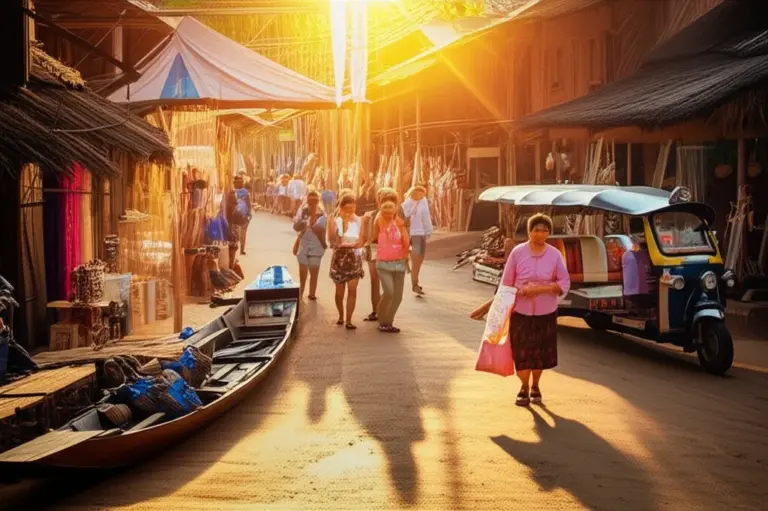
Where to Find the Best Handicraft Villages Near Luang Prabang and How to Plan Your Visit (transport, opening times, guided vs self-guided tours)
- Where to Find the Best Handicraft Villages Near Luang Prabang and How to Plan Your Visit (transport, opening times, guided vs self-guided tours)
- Discovering Luang Prabang’s Artisan Heart: Handicraft Villages Near Luang Prabang
- Top Handicraft Villages to Explore
- Planning Your Visit: Logistics and Options
- Tips for a Rewarding Handicraft Experience
- คำถามที่พบบ่อย (FAQ)
- What kind of handicrafts can I find in villages near Luang Prabang?
- Are the handicraft villages easily accessible from Luang Prabang town?
- Is it better to take a guided tour or explore the villages independently?
- What are the typical operating hours for the artisan workshops?
Luang Prabang, a UNESCO World Heritage site, is renowned not only for its ancient temples and stunning natural beauty but also as a vibrant hub of traditional Lao culture and craftsmanship. For travelers keen to delve deeper into the local heritage, exploring the **Handicraft Villages Near Luang Prabang** offers an unparalleled experience. These villages provide a fascinating glimpse into the intricate processes behind Laos’s most cherished artisanal products, from silk weaving to mulberry paper making. This comprehensive guide will help you discover where to find these hidden gems and how to meticulously plan your visit, ensuring a memorable and enriching cultural journey.
Discovering Luang Prabang’s Artisan Heart: Handicraft Villages Near Luang Prabang
The region surrounding Luang Prabang is dotted with communities that have passed down generations of artisanal knowledge. These villages are not just workshops; they are living museums where ancient techniques thrive. From the rhythmic clatter of looms to the delicate artistry of silversmiths, each village offers a unique narrative of Lao creativity and resilience. Understanding the significance of these crafts enriches your appreciation for the culture and provides context for the beautiful souvenirs you might take home.
The Allure of Lao Handicrafts
Lao handicrafts are more than just decorative items; they are expressions of identity, spirituality, and daily life. Textiles, especially silk and cotton, are central to Lao culture, often depicting mythical creatures, natural motifs, and traditional patterns. Other crafts include intricate wood carving, traditional paper making, pottery, and silverwork. Each piece tells a story, making them profound mementos of your journey. The opportunity to witness these crafts being made firsthand is a highlight for many visitors to the **Handicraft Villages Near Luang Prabang**.
Top Handicraft Villages to Explore
Ban Phanom: The Weaving Village
Just a short distance from Luang Prabang, Ban Phanom is perhaps the most famous weaving village. Historically, it supplied textiles to the royal family. Today, it’s a bustling community where the traditional art of silk and cotton weaving continues to flourish. Visitors can wander through homes, observing women meticulously working on their looms, creating scarves, sarongs, and intricate wall hangings. The village market offers a wide array of products, often at more competitive prices than in the town center.
Location: Approximately 4 km east of Luang Prabang town center, along the Nam Khan River.
Ban Xang Khong: Paper & Silk Village
Located on the opposite side of the Nam Khan River from Ban Phanom, Ban Xang Khong is famed for its traditional Saa paper making and silk weaving. Here, you can see the entire process of making paper from mulberry bark, often adorned with dried flowers and leaves. The village is also home to several small workshops where silk is dyed and woven into beautiful patterns. It’s a quieter village than Ban Phanom, offering a more intimate experience.
Location: About 6 km east of Luang Prabang, accessible by boat or road.
Ock Pop Tok Living Crafts Centre (Beyond a Village)
While not a traditional village, Ock Pop Tok (meaning ‘East Meets West’) is an essential stop for anyone interested in Lao textiles. This ethical fair trade company works with artisans from across Laos, preserving traditional weaving techniques and providing sustainable livelihoods. Their beautiful riverside garden, located just outside the main town, houses weaving workshops, natural dye studios, and a beautiful boutique. They offer workshops, tours, and a fantastic cafe, providing a more structured and educational experience of Lao textiles.
Location: Approximately 2 km south of Luang Prabang town center, along the Mekong River.
Planning Your Visit: Logistics and Options
Visiting the **Handicraft Villages Near Luang Prabang** requires a bit of planning, but the rewards are well worth the effort. Consider the time of year, your preferred mode of transport, and whether a guided or self-guided experience suits you best.
Transportation: Getting There with Ease
| Mode of Transport | Pros | Cons | Best For |
|---|---|---|---|
| Tuk-Tuk | Convenient, readily available, negotiate price. | Can be pricey for solo travelers, exposed to elements. | Groups, short distances, quick trips. |
| Bicycle | Affordable, scenic, flexible, eco-friendly. | Requires physical effort, not ideal in hot weather or long distances. | Independent travelers, short distances (e.g., Ban Phanom), pleasant weather. |
| Motorbike/Scooter | Freedom, covers more ground quickly. | Requires experience, risks involved, local license may be needed. | Experienced riders, exploring multiple villages. |
| Private Car/Van | Comfortable, air-conditioned, good for families/groups. | Most expensive option. | Families, those seeking comfort, multi-village tours. |
| River Boat | Scenic, unique experience (especially for Ban Xang Khong). | Limited to river-accessible villages, slower. | Leisurely travel, combining with other river activities. |
For Ban Phanom and Ock Pop Tok, a tuk-tuk or bicycle is usually sufficient. Ban Xang Khong can be reached by road or by taking a small boat across the Nam Khan River, which is a charming experience in itself.
Opening Times and Best Seasons
Most handicraft villages don’t have strict ‘opening hours’ as they are residential communities. However, artisans typically work during daylight hours, generally from 8:00 AM to 5:00 PM. It’s best to visit during the cooler months (October to February) to avoid intense heat and potential heavy rains of the wet season (May to September). Mornings are often the most active time in the villages.
Guided vs. Self-Guided Tours: Which is Right for You?
The choice between a guided or self-guided tour depends on your preferences and budget.
- Self-Guided: Offers maximum flexibility. You can spend as much or as little time as you wish in each village. It’s more budget-friendly, especially if you rent a bicycle or share a tuk-tuk. However, you’ll miss out on the deeper cultural insights and direct interaction that a local guide can provide.
- Guided: A local guide can offer invaluable context, translate conversations with artisans, and often knows the best places to see specific crafts. Many tour operators in Luang Prabang offer half-day or full-day tours that include visits to several handicraft villages, sometimes combined with other attractions like the Pak Ou Caves or Kuang Si Falls. This option is ideal for those who prefer an organized experience and deeper cultural understanding.
Ethical Tourism and Supporting Local Artisans
When visiting the **Handicraft Villages Near Luang Prabang**, remember that you are entering people’s homes and workplaces. Always ask for permission before taking photos, especially of individuals. Bargaining is common in markets, but do so respectfully and fairly. Purchasing directly from the artisans ensures that they receive a greater share of the profit, directly supporting their families and the continuation of their traditional skills.
Tips for a Rewarding Handicraft Experience
- Go Early: Beat the heat and see the villages at their most active.
- Carry Small Bills: Useful for small purchases and easier for local vendors.
- Hydrate: Luang Prabang can be hot; carry water.
- Be Respectful: Dress modestly, especially when entering homes or more traditional areas.
- Engage: If language allows, try to chat with the artisans. Their stories are often as rich as their crafts.
Exploring the **Handicraft Villages Near Luang Prabang** offers a unique opportunity to connect with the heart and soul of Lao culture. Whether you’re seeking a unique souvenir, a deeper understanding of traditional crafts, or simply a peaceful escape into the rural landscape, these villages promise an authentic and enriching experience. Plan your visit thoughtfully, embrace the local charm, and take home not just beautiful objects, but cherished memories of Lao artistry.
คำถามที่พบบ่อย (FAQ)
References
- Handicraft Villages Around Luang Prabang: A Traveler’s Guide to Weaving, Natural Dyeing, and Traditional Silverwork
- Traditional Weaving in Luang Prabang Villages: Techniques, Materials, and Meaning Behind Patterns (silk, cotton, ikat, Lao motifs)
- Natural Dyeing Practices and Sustainable Fiber Arts Around Luang Prabang (plant dyes, indigo, mordants, eco-friendly workshops)