Money Matters in Laos: Complete Guide to ATMs, Exchange Rates, and Paying by Card
- Money Matters in Laos: Complete Guide to ATMs, Exchange Rates, and Paying by Card
Welcome to the Land of a Million Elephants! While Laos offers an incredibly rewarding and tranquil travel experience, navigating its financial landscape requires a bit of preparation. Understanding Money Matters in Laos—specifically how to handle cash, where to find reliable ATMs, and the fluctuating exchange rates—is crucial for a stress-free trip. Unlike its flashier neighbors, Laos remains largely a cash-based society, meaning your reliance on Lao Kip (LAK) will be significant. This comprehensive guide ensures you are equipped with the expertise to manage your funds like a seasoned traveler.
Understanding the Lao Kip (LAK): The Local Currency
The official currency of Laos is the Lao Kip (LAK). You will need Kip for nearly all daily transactions, from street food stalls to local transportation. Be prepared for large numbers; the Kip has a high denomination count, and you will often receive bundles of notes rather than a few bills.
Denominations and Practical Notes
The Kip notes commonly used range from 1,000 LAK up to 100,000 LAK. Smaller denominations (100, 500, 1,000) are essential for markets and small purchases, so always request some change when you break larger notes. Counterfeiting is rare, but always inspect high-value notes briefly before accepting them.
USD and Thai Baht Acceptance
When paying in USD, change is almost always given back to you in Lao Kip. Always ensure your USD bills are crisp and new; torn or heavily marked bills are often rejected by vendors.
Mastering ATMs and Cash Withdrawals in Laos
For travelers relying on plastic, accessing cash through ATMs is the most common method. Successfully navigating this aspect of Money Matters in Laos requires knowing where to look and understanding the associated costs.
Where to Find ATMs (Major Cities vs. Rural Areas)
In Vientiane, Luang Prabang, Vang Vieng, and Pakse, ATMs are plentiful, usually located inside or near major banks (like BCEL or Lao Development Bank). However, once you venture into remote northern provinces or smaller villages, finding a working machine becomes a significant challenge. Plan your cash needs accordingly before heading off the beaten path.
Understanding Fees and Daily Limits
| Fee Type | Typical Cost (Approximate) | Notes |
|---|---|---|
| Laotian ATM Operator Fee | 30,000 – 35,000 LAK per transaction | This is unavoidable in Laos. |
| Foreign Bank Transaction Fee | Varies (Usually 1% – 3% of withdrawal) | Charged by your home bank or card network. |
| Daily Withdrawal Limit | Usually 2,000,000 – 3,000,000 LAK | Limits are often quite low; plan multiple small withdrawals. |
Because of the fixed local fee, withdrawing smaller amounts frequently is financially inefficient. Always withdraw the maximum allowed amount per transaction to minimize the impact of the fixed 30,000 LAK fee. Always ensure your card is activated for international use prior to arrival.
Currency Exchange: Getting the Best Rates
If you are bringing cash into Laos (USD is recommended), knowing where to exchange it can save you a significant amount of money over the course of your trip. The official exchange rate is generally tight, but small variations exist between providers.
Official Banks vs. Authorized Money Changers
Major banks offer secure exchanges, but their rates are often slightly worse than authorized private money changers, especially near border crossings or in busy tourist markets. Always compare the rate offered before committing. Never exchange money on the street with unsolicited individuals, as this is where scams are most likely to occur.
Calculating Exchange Rate Fluctuations
Exchange rates fluctuate daily. A good rule of thumb is to check the current mid-market rate before you leave home, but understand that you will never achieve this rate in practice. Aim for rates within 1-2% of the mid-market rate when exchanging USD for LAK.
Paying by Card: Where Does Plastic Work?
While Laos remains cash-centric, credit and debit cards (Visa and Mastercard primarily) are becoming more accepted in high-end establishments. Understanding the limitations is key to managing your spending budget.
Acceptance in Hotels and Major Restaurants
Upscale hotels, international restaurants in tourist areas, and organized tour operators will usually accept cards. Be aware that a surcharge (often 2% to 3%) is frequently added to the bill to cover their processing fees. Always ask if a surcharge applies before swiping your card.
The Reality for Street Food and Markets
If you are haggling for souvenirs at the night market or buying fresh fruit from a roadside stall, cash is the only option. Do not expect vendors to have change for large bills, even in Kip, so keep a healthy supply of smaller denominations handy for these essential cultural experiences.
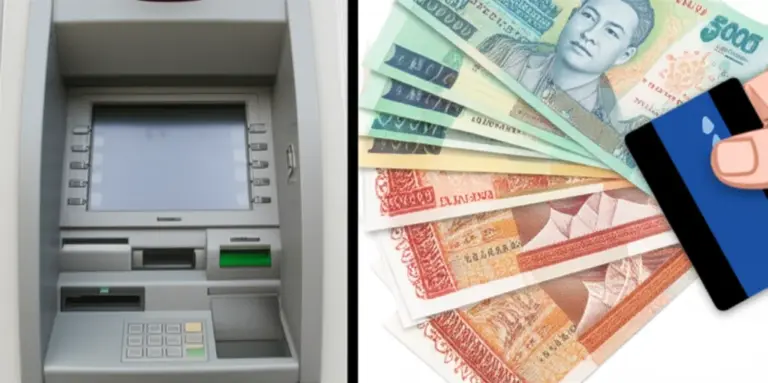
To help visualize the landscape of money services in the capital, here is a quick overview of ATM accessibility in Vientiane:
For travelers venturing outside the main cities, we highly recommend withdrawing enough local currency to cover several days of expenses before leaving a major center. This proactive approach minimizes stress when ATMs are scarce or out of service.
Tipping Culture and Small Transactions
Tipping is not strictly mandatory in Laos, but it is certainly appreciated, especially in the tourism sector. For excellent service in restaurants, rounding up the bill or leaving 10% is customary. Taxi drivers, tuk-tuk drivers, and guides appreciate small gratuities, often rounded up to the nearest convenient figure in Kip. Remember that while large bills are common, small change is always the most useful currency for everyday locals.
Essential Money Safety Tips for Travelers
To ensure your financial journey through Laos remains secure, follow these expert recommendations:
- Be Discreet: Avoid flashing large wads of Kip or USD in busy areas. Count your money privately after making a purchase.
- Use Reputable ATMs: Stick to machines located inside banks or major hotels, as these are less likely to be tampered with (skimming devices).
- Keep Wallets Separate: Carry only the cash you need for the day in your wallet. Keep emergency funds and backup cards secured in a money belt or safe in your accommodation.
- Monitor Your Bank: Inform your bank of your travel dates to prevent legitimate withdrawals from being flagged as fraud.
For a visual guide on navigating the streets and finding reliable financial services, check out this helpful video resource.
คำถามที่พบบ่อย (FAQ)
Here are answers to the most common questions regarding currency and transactions for travelers in Laos.
Is it better to bring USD or Lao Kip to Laos?
It is strongly recommended to bring crisp, new US Dollars (USD). You can exchange USD for Lao Kip at a competitive rate upon arrival or use ATMs. Bringing large amounts of Kip from outside Laos is difficult and usually involves poor exchange rates.
What is the typical daily ATM withdrawal limit in Laos?
The typical limit for a single ATM withdrawal in Laos is between 2,000,000 LAK and 3,000,000 LAK. Since you will incur a fixed local fee per transaction, it is wise to withdraw the maximum amount available each time.
Can I use my credit card in rural areas of Laos?
No, credit cards are rarely accepted in rural areas. Outside of major tourist centers (Vientiane, Luang Prabang), you must rely entirely on cash (Lao Kip). Always ensure you have sufficient cash reserves when traveling to remote locations.
Are ATMs safe to use in Laos?
ATMs located inside recognized banks or major hotel lobbies are generally safe. However, always inspect the machine for tampering (skimmers) before inserting your card, and use ATMs during daylight hours whenever possible.
Do I need to tip tuk-tuk drivers in Laos?
While not mandatory, rounding up the fare or giving a small token of appreciation (e.g., 5,000 LAK to 10,000 LAK depending on the distance) is a kind gesture for tuk-tuk drivers and guides.
References
- Overview of Currency in Laos and Where to Exchange Money Safely (best places to exchange kip, USD to LAK rates, airport vs city tips)
- Finding and Using ATMs in Laos: Fees, Limits, and Safety Tips (how to locate ATMs, withdrawal fees, daily limits, card compatibility)
- Understanding Exchange Rates and How to Get the Best Rate (spot vs tourist rates, using apps, avoiding hidden commissions)