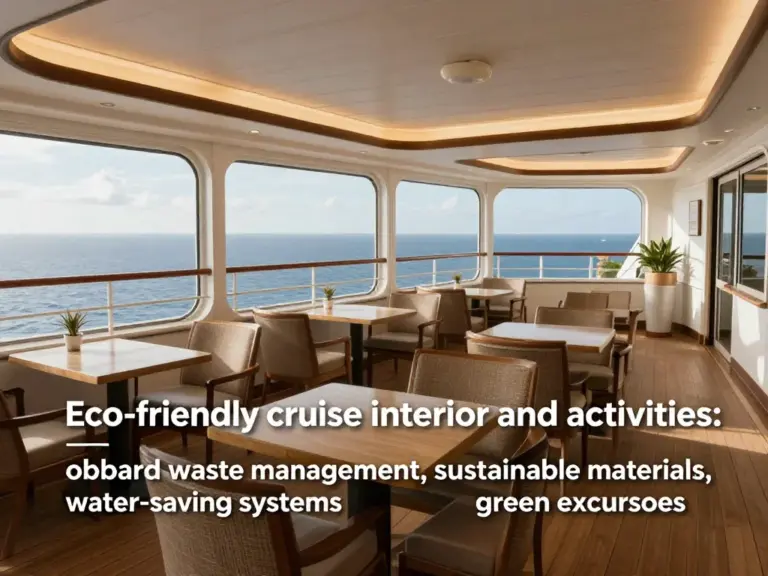
Onboard green practices and amenities to expect: waste management, alternative materials, water systems, and eco-friendly excursions
As the global travel industry shifts toward sustainability, Laos is emerging as a pioneer in Southeast Asia for responsible tourism. Travelers exploring the Mekong River or the lush landscapes of Luang Prabang are increasingly seeking onboard green practices that align with their environmental values. From luxury river cruises to boutique eco-lodges, the emphasis is now on minimizing the ecological footprint while maximizing the local community impact.
Innovative Waste Management Systems
One of the most critical onboard green practices involves rigorous waste management. Modern vessels and eco-resorts in Laos have moved away from the ‘out of sight, out of mind’ mentality. You can expect comprehensive recycling programs where plastic, glass, and aluminum are meticulously sorted.
Furthermore, many operators have implemented ‘Zero Single-Use Plastic’ policies. Instead of plastic water bottles, guests are provided with refillable stainless steel or glass bottles, with high-quality filtration stations available throughout the premises. Organic waste is often repurposed through onsite composting systems, which in turn nourish local organic gardens that supply the onboard kitchens.
Sustainable Alternative Materials and Amenities
When you step onboard a sustainable vessel in Laos, the choice of materials speaks volumes about their commitment to the planet. Expect to see widespread use of alternative materials such as bamboo, reclaimed teak, and locally sourced rattan. These materials are not only renewable but also support local Lao artisans and traditional craftsmanship.
In your cabin, amenities are carefully curated. Instead of small plastic tubes of shampoo, you will find biodegradable soaps and organic toiletries housed in ceramic dispensers. These products are often handmade in Laos using natural ingredients like lemongrass and ginger, ensuring that gray water runoff does not harm the delicate Mekong ecosystem.
Advanced Water Systems and Conservation
Water is the lifeblood of Laos, and protecting its quality is a top priority for eco-conscious operators. Sophisticated water systems are now standard in high-end eco-tourism. This includes advanced wastewater treatment plants onboard ships that ensure any water returned to the river is cleaner than when it was taken in.
Low-flow showerheads and dual-flush toilets are common fixtures, significantly reducing water consumption without compromising guest comfort. By implementing these onboard green practices, operators ensure that the majestic Mekong remains a healthy habitat for the endangered Irrawaddy dolphins and hundreds of fish species.
Eco-Friendly Excursions: Connecting with Nature and Culture
The green experience extends beyond the vessel or lodge. Eco-friendly excursions are designed to provide deep cultural immersion while leaving no trace. Instead of motorized transport, many tours favor kayaking, cycling through rural villages, or guided trekking in National Protected Areas.
| Excursion Type | Eco-Benefit | Location |
|---|---|---|
| Guided Kayaking | Zero Emissions | Vang Vieng / Nam Ou |
| Community-Based Homestays | Direct Economic Support | Luang Namtha |
| Elephant Conservation Centers | Ethical Animal Welfare | Sayaboury |
These excursions emphasize education, where local guides share knowledge about indigenous flora and fauna, and the importance of conservation. By choosing these activities, travelers contribute directly to the preservation of Lao heritage and the livelihoods of rural communities.
คำถามที่พบบ่อย (FAQ)
Q1: What are the most common onboard green practices in Laos?
A1: The most common practices include plastic-free initiatives, the use of biodegradable cleaning products, high-tech water filtration systems, and sourcing food from local organic farms.
Q2: How do water systems on Mekong cruises protect the environment?
A2: Modern cruises use onboard treatment plants to filter wastewater before it is discharged, ensuring no harmful chemicals or waste enter the river ecosystem.
Q3: Are eco-friendly excursions in Laos physically demanding?
A3: There is a wide variety. While some involve trekking or kayaking, others include gentle village walks or visits to conservation centers that are suitable for all fitness levels.
Q4: Why are alternative materials like bamboo used?
A4: Bamboo is a fast-growing, renewable resource that reduces the need for slow-growing timber. It is durable, aesthetically pleasing, and supports the local Lao economy.
References
Official Laos Tourism Website
Mekong River Commission Sustainability Reports
- Plastic-Free Mekong Cruises: Eco-Friendly Operators, Practices, and How to Choose the Best Green River Trip
- Why plastic-free Mekong cruises matter: environmental impact, community benefits, and what “plastic-free” truly means
- Top operators and routes for sustainable Mekong cruising: profiles of reputable companies, certifications, and comparatives