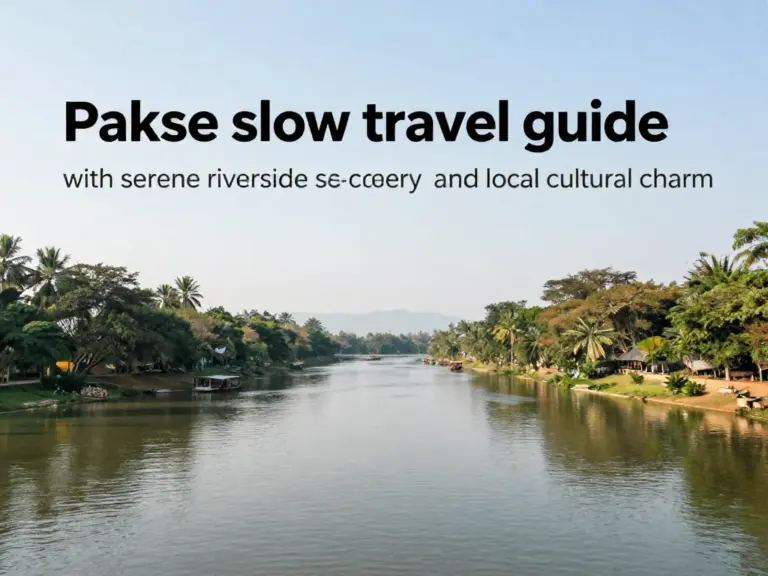
Pakse Travel Guide for the Ultimate Slow Travel Experience
- Pakse Travel Guide for the Ultimate Slow Travel Experience
Pakse, the capital of Champasak Province in southern Laos, is often treated as a transit point for travelers rushing toward the 4,000 Islands or the Bolaven Plateau. However, for those who choose to linger, it offers a profound, authentic experience. This Pakse travel guide is designed for the slow traveler—someone who prefers soaking in the atmosphere of a riverside market over checking off a list of tourist traps. By embracing a slower pace, you can uncover the quiet charm of French colonial architecture, the vibrant coffee culture, and the serene beauty of the Mekong River that defines this gateway to southern Laos.
Pakse travel guide: Why Choose Slow Travel in Pakse?
Slow travel is not just about moving slowly; it is about connecting deeply with a place. Pakse is the perfect destination for this because it lacks the frantic energy of major Southeast Asian hubs. Here, the rhythm is dictated by the Mekong and the local coffee harvest. When you stay longer, you gain access to the ‘real’ Pakse: the early morning alms giving ceremonies, the hidden noodle stalls tucked away in narrow alleys, and the genuine hospitality of the Lao people. Rather than rushing to see every waterfall in a single day, a slow travel approach allows you to engage with the local community, learn about the coffee production process, and appreciate the subtle shifts in the landscape.
Essential Experiences for the Mindful Traveler
To truly experience the essence of the region, you need to look beyond the city center. The following activities are best enjoyed without a ticking clock.
Exploring the Bolaven Plateau at Your Own Pace
Instead of a one-day guided sprint, consider renting a motorbike or hiring a private driver for two or three days to explore the Bolaven Plateau. This region is famous for its cool climate, ethnic villages, and stunning waterfalls like Tad Fane and Tad Lo. By staying overnight at a homestay or a coffee farm, you can witness the plateau when the day-trippers have left, enjoying the misty mornings and the profound silence of the jungle.
Immersing in Local Coffee Culture
Southern Laos is the heart of the country’s coffee industry. A slow travel itinerary should include a visit to a sustainable coffee plantation. Many farms now offer educational tours where you can learn about the difference between Arabica and Robusta beans, the organic farming practices used, and the roasting process. Don’t rush your coffee; sit in a local cafe, watch the river flow, and savor the rich, bold flavor of Lao-grown beans.
Comparison: Fast vs. Slow Travel in Pakse
| Feature | Fast Travel Approach | Slow Travel Approach |
|---|---|---|
| Duration | 1-2 Days | 4-7 Days |
| Transport | Organized group tours | Motorbike rental or local transport |
| Accommodation | Large hotel chains | Homestays or boutique guesthouses |
| Interaction | Superficial/Transactional | Meaningful/Cultural exchange |
| Key Benefit | High volume of sights | Deep cultural understanding |
Practical Tips for Your Slow Journey
- Respect the Culture: Dress modestly when visiting temples and remember that Lao culture values a soft-spoken and patient demeanor.
- Transport: Renting a motorbike is the most liberating way to explore, but ensure you have an International Driving Permit and proper insurance.
- Connectivity: While Wi-Fi is available in many cafes, consider a local SIM card for better navigation when wandering off the beaten path.
- Timing: The best time to visit is during the dry season (November to February) when the weather is cool and pleasant for outdoor exploration.
Cultural Etiquette and Sustainability
As a slow traveler, your impact on the local environment and community is significant. In Pakse, this means choosing locally-owned businesses whenever possible. Eat at family-run restaurants, buy handicrafts directly from artisans, and reduce plastic waste by carrying a reusable water bottle. Being a respectful guest also means asking permission before taking photos of people or religious ceremonies, and always being mindful of noise levels in quiet residential areas.
Frequently Asked Questions (FAQ)
Is Pakse safe for solo travelers?
Yes, Pakse is generally very safe for solo travelers. The locals are welcoming and helpful. However, standard travel precautions apply: keep your belongings secure, be cautious when driving motorbikes, and avoid traveling alone on unlit roads at night.
Do I need a visa for Laos?
Most nationalities require a visa to enter Laos. You can obtain a Visa on Arrival at most border crossings and international airports, or apply for an E-visa online before your trip. Always check the latest requirements on the official Lao consular website.
What is the best way to get around Pakse?
Within the city, walking is possible, but tuk-tuks are the most common form of transport for short distances. For exploring the surrounding countryside, renting a motorbike or hiring a private tuk-tuk driver for the day is recommended.
Can I find vegetarian food in Pakse?
Yes, while Lao cuisine is meat-heavy, many restaurants in Pakse cater to vegetarians. Look for noodle soups with tofu, vegetable stir-fries, and papaya salad (request no fish sauce if you are strictly vegan).
Conclusion
Pakse is a destination that rewards those who take the time to look deeper. By slowing down, you transform your trip from a standard sightseeing tour into a meaningful journey. Whether you are sipping coffee on the banks of the Mekong or navigating the winding roads of the Bolaven Plateau, the true value of this Pakse travel guide lies in encouraging you to embrace the unexpected moments that only reveal themselves when you stop rushing. Plan your visit with patience, and Pakse will surely leave a lasting impression on your traveler’s heart.