Preventing Mosquito-Borne Diseases in Laos: Practical Tips for Dengue, Malaria, and Zika Protection
- Preventing Mosquito-Borne Diseases in Laos: Practical Tips for Dengue, Malaria, and Zika Protection
- Understanding the Threats: Dengue, Malaria, and Zika in Laos
- The Core Strategy: Personal Protection Measures (The 4 D’s)
- Pre-Travel Preparation: Essential Steps
- Video Guide: Essential Mosquito Safety Tips
- What to Do If You Suspect an Illness
- Practical Tips for Specific Locations in Laos
- คำถามที่พบบ่อย (FAQ)
Laos, with its lush landscapes, ancient temples, and vibrant culture, is an incredible destination. However, tropical environments come with tropical health risks. Mosquitoes are vectors for several serious diseases, including Dengue Fever, Malaria, and Zika Virus. As an expert guide for travelers, this comprehensive manual breaks down the science of protection, offering actionable, E-E-A-T-backed strategies to ensure your journey through Vientiane, Luang Prabang, and the countryside remains healthy and enjoyable.
Understanding the Threats: Dengue, Malaria, and Zika in Laos
Effective prevention starts with knowledge. The primary mosquito species of concern in Laos are the *Aedes aegypti* (Dengue/Zika) and *Anopheles* (Malaria). Understanding their behavior dictates when and where you need protection.
Dengue Fever: The Silent Threat
Dengue is endemic across Laos, particularly during and immediately following the rainy season (May to November). The *Aedes* mosquito is a daytime biter, often active early in the morning and late afternoon. Symptoms mimic severe flu, making early diagnosis critical. There is currently no specific antiviral treatment, making prevention paramount.
Malaria: Risk Zones and Mitigation
While major urban centers like Vientiane have very low transmission rates, Malaria risk significantly increases when traveling to remote, forested, or border areas, especially in the southern provinces. The *Anopheles* mosquito that carries Malaria bites primarily between dusk and dawn. This distinction is vital for timing your prophylactic measures.
Zika Virus: Awareness for Travelers
Zika transmission is generally considered low risk in Laos compared to some other regions, but the threat remains, as it is carried by the same daytime-biting *Aedes* mosquito as Dengue. Pregnant travelers or those planning conception should exercise extreme caution and consult CDC guidelines before travel.
The Core Strategy: Personal Protection Measures (The 4 D’s)
The most robust approach to Preventing Mosquito-Borne Diseases in Laos integrates multiple layers of defense. We often summarize this comprehensive approach using the ‘4 D’s’: DEET, Dressing, Daytime/Dusk awareness, and Deep cleaning of your immediate environment.
DEET and Effective Repellents
Chemical repellents remain the gold standard. Look for products containing either:
- DEET (N,N-Diethyl-meta-toluamide): Concentrations between 30% and 50% offer protection for several hours. Apply liberally to exposed skin, avoiding cuts and eyes.
- Picaridin (KBR 3023): An effective alternative to DEET, often preferred for its less oily texture.
- Oil of Lemon Eucalyptus (OLE) / PMD: A good plant-based option, though usually requiring more frequent reapplication.
Dressing Defensively
Clothing acts as your first barrier. Choose light-colored, loose-fitting clothing that covers as much skin as possible. Long sleeves and long trousers are essential, especially during peak biting hours (dawn and dusk for Malaria).
Daytime and Nighttime Awareness
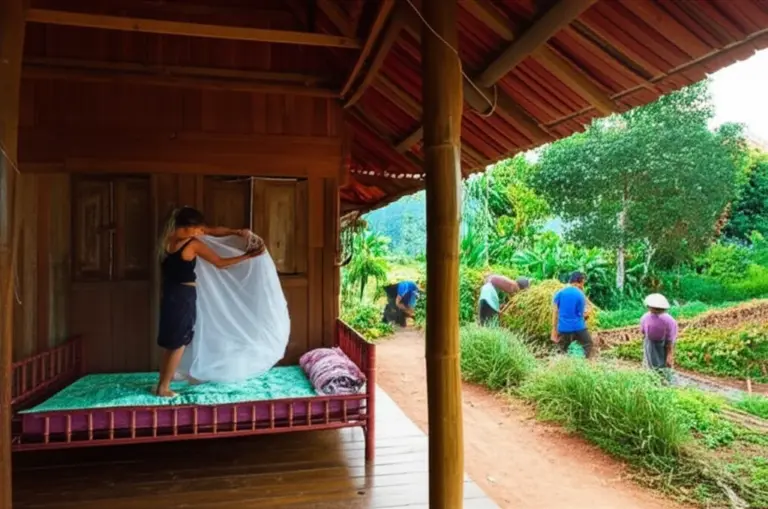
Remember the feeding times: Aedes (Dengue/Zika) are daytime pests. Be vigilant when visiting markets or hiking mid-day. Anopheles (Malaria) are twilight/night pests. Ensure your mosquito net is intact and treated with permethrin before sunset.
Deep Cleaning/Environmental Control (Hotel Room Focus)
Inspect your accommodation immediately upon arrival. Even reputable hotels can have breaches. Look for gaps around windows, doors, and air conditioning units. If you suspect mosquitoes are present, ask to change rooms or request an insecticide spray from management.
Pre-Travel Preparation: Essential Steps
The most successful health protection plan begins weeks before you board the plane. This demonstrates the expertise required for safe international travel.
Consulting Your Doctor & Vaccinations
Schedule an appointment with a travel medicine specialist 4-6 weeks before departure. They will assess your itinerary (especially if rural travel is planned) and prescribe necessary prophylactic medication, such as anti-malarials. Standard vaccines like Tetanus and Hepatitis A/B should be up-to-date.
Packing Your Medical Kit
Your personal kit should supplement local medical facilities. Essential items include:
| Item | Purpose |
|---|---|
| Prescription Anti-Malarials | For high-risk areas only (as prescribed). |
| High-Strength Repellent (DEET/Picaridin) | For immediate use upon arrival. |
| Acetaminophen/Ibuprofen | Fever and pain management (important not to take NSAIDs if Dengue is suspected without medical advice). |
| Oral Rehydration Salts (ORS) | Crucial for dehydration caused by fever or diarrhea. |
Video Guide: Essential Mosquito Safety Tips
Visual reinforcement aids retention. Watch this brief guide for practical demonstrations on applying repellent and checking mosquito nets effectively.
What to Do If You Suspect an Illness
If, despite your best efforts in Preventing Mosquito-Borne Diseases in Laos, you develop a sudden high fever, severe headache, body aches, or rash, seek medical attention immediately. Do not self-diagnose, especially regarding Dengue, where certain pain relievers can complicate recovery. Inform the doctor immediately that you are a recent traveler to Southeast Asia. Laos has established hospitals in major cities like Vientiane and Luang Prabang, but remote areas require evacuation planning.
Practical Tips for Specific Locations in Laos
Your risk profile changes depending on where you are staying. Applying tailored strategies is key to authoritative health management:
- Urban Centers (Vientiane, Vang Vieng): Dengue risk is higher due to greater population density and stagnant water sources. Focus heavily on daytime protection (hats, repellent application every 3-4 hours).
- Rural & Trekking Areas (Phongsali, Southern Provinces): Malaria risk increases significantly here. Mandatory anti-malarial medication (if advised by your doctor) and rigorous use of permethrin-treated bed nets between dusk and dawn are non-negotiable.
- Water Sources: Never drink untreated tap water. While this doesn’t prevent mosquito bites, staying hydrated prevents illness that weakens the immune system, making you more susceptible to secondary infections. Use sealed bottled water or reliable purification methods.
คำถามที่พบบ่อย (FAQ)
Here are answers to the most common queries regarding tropical disease prevention for travelers in Laos.
What is the high-risk season for Dengue in Laos?
The high-risk season for Dengue fever in Laos generally coincides with the monsoon or rainy season, typically spanning from May through November. During this time, standing water provides abundant breeding grounds for the *Aedes* mosquito.
Is Malaria prophylaxis necessary for short trips to Vientiane?
For short tourist trips strictly confined to Vientiane city center, the risk of Malaria is considered very low. However, prophylaxis is often recommended if you plan on spending significant time in rural areas outside the capital, or if you have underlying health conditions. Always defer to your travel doctor’s specific advice.
How effective are natural mosquito repellents compared to DEET in Laos?
While natural repellents like Oil of Lemon Eucalyptus (OLE) offer protection, they typically require reapplication much more frequently (often every 1-2 hours) than DEET (30%+) or Picaridin. Given the intensity of tropical disease transmission, health authorities strongly recommend using EPA-registered repellents like DEET or Picaridin for maximum efficacy when Preventing Mosquito-Borne Diseases in Laos.
What should I do if I get bitten frequently despite precautions?
If you notice you are being bitten repeatedly despite applying repellent, check the application coverage, the product’s expiration date, and the time elapsed since application. If you are staying in an area with known high transmission, consider treating your clothing with permethrin spray for an added chemical barrier.
References
CDC Travel Health Notices for Southeast Asia
World Health Organization Country Profile: Lao PDR
CDC Guidance on Use of Insect Repellents