Sand stupas (That): how to build them, symbolic meanings, and best locations to visit
- Sand stupas (That): how to build them, symbolic meanings, and best locations to visit
In the heart of Southeast Asia, Laos offers a profound spiritual journey marked by shimmering gold temples and intricate Buddhist artistry. Central to this tradition are the revered Sand stupas (That). These structures, whether temporary mounds of earth created during festivals or monumental architectural achievements, are far more than mere piles of material; they are tangible expressions of Buddhist devotion, merit-making, and the transient nature of existence. For the discerning traveler interested in Lao culture, understanding the ‘That’ is essential to unlocking the country’s spiritual landscape.
The Profound Symbolic Meaning of ‘That’ in Laos
The term ‘That’ in Lao is synonymous with the Thai ‘Chedi’ or Sanskrit ‘Stupa’—a reliquary mound housing sacred relics, often those of the Buddha or revered monks. However, in the context of Laos, especially during annual festivals, the sand stupa takes on a specific, temporary, yet deeply meaningful role.
Representation of the Buddha’s Presence
Fundamentally, a stupa symbolizes the enlightened mind of the Buddha. Its dome shape often represents the seated Buddha, while the spire points towards enlightenment. By constructing or contributing to a ‘That,’ devotees seek to invite the presence of the Buddha’s teachings and blessings into their lives and the community.
Merit-Making and Spiritual Offerings
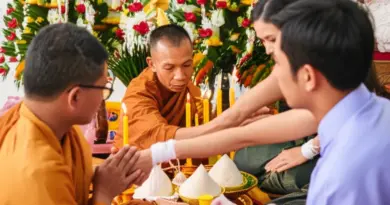
The creation of sand stupas is a primary form of tham bun (merit-making). This practice is particularly prevalent during Boun Pi Mai (Lao New Year) in April. Families gather near rivers or temple grounds, bringing sand mixed with water, flowers, and incense. Each grain of sand is believed to carry prayers and good intentions for the coming year, washing away past sins and accruing positive karma.
The Art and Practice: How Sand Stupas Are Built
While major monuments are built using stone and gold leaf, the temporary sand stupa construction is an accessible, participatory ritual. The process requires patience, respect, and a communal spirit.
Traditional Materials and Preparation
The basic components are simple: clean sand (often collected from riverbeds), water, and natural bindings. The sand must be moist enough to hold its shape but not saturated. Once the base mound is formed, the artistry begins.
Step-by-Step Construction Process (The Ritual of Building)
- Foundation Laying: A flat, consecrated area is chosen. The sand is piled into a basic conical or dome shape, often roughly the size of a person.
- Sculpting the Layers: Using small trowels, hands, or even banana leaves, the structure is carefully shaped, defining the base, the dome (anda), and the spire sections.
- Decorating and Consecration: This is the most visually stunning phase. Offerings like fresh flowers, intricately folded banana leaves, colorful threads, and incense sticks are meticulously pressed into the damp sand. Each decoration is a specific prayer or dedication.
- Final Blessing: Often, a monk or elder will perform a short ceremony, sprinkling holy water over the completed structure to finalize the merit accumulation.
Temporary vs. Permanent Structures
While the sand pagodas built during festivals typically last only a few days before being washed away by rain or dismantled, the architectural style deeply informs Laos’ permanent religious buildings. The golden spires seen across Vientiane and Luang Prabang are enduring interpretations of these humble, temporary sand forms.
Essential Etiquette When Visiting Stupas in Laos
As a visitor, respecting the sanctity of these sites is paramount. Whether viewing a temporary festival mound or a massive golden stupa, adherence to local customs ensures a positive experience and shows respect for Lao traditions.
| Action | Guideline |
|---|---|
| Dress Code | Cover shoulders and knees. Remove hats before entering temple grounds. |
| Footwear | Always remove shoes before stepping onto temple platforms or approaching a ‘That’. |
| Photography | Ask permission before photographing monks or local devotees. Never point your feet directly at a stupa or a Buddha image. |
Best Locations to Experience Sand Stupas and Major ‘Thats’
While you may see small, impromptu sand offerings along riverbanks during the New Year, several major sites offer the most impressive examples of stupa architecture and cultural significance.
Pha That Luang, Vientiane (The National Symbol)
Pha That Luang is the most sacred monument in Laos, often considered the spiritual heart of the nation. While not a sand stupa, its design is the ultimate embodiment of the Lao stupa tradition. Its golden exterior gleams under the sun, built over centuries on the site of an earlier Indian stupa. Visiting during Boun That Luang in November provides an unparalleled view of massive, temporary sand stupas built around the main structure by pilgrims. Explore Vientiane’s Spiritual Center.
That Dam (The Black Stupa)
Located near That Luang in Vientiane, That Dam (The Black Stupa) stands in stark contrast. Its dark, weathered appearance has led to many local legends, including the belief that it was built by the Naga (serpent gods) to protect the city. While its origins are debated, it remains a powerful, atmospheric landmark.
Stupas of Luang Prabang
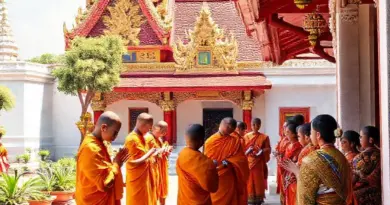
The ancient royal city of Luang Prabang is dotted with exquisite temples (Wats). Look closely at the smaller, subsidiary stupas surrounding major temples like Wat Xieng Thong. These often display unique regional architectural influences and are excellent places to observe monks performing daily rituals.
Video Guide: Witnessing Stupa Construction
To truly appreciate the delicate work involved in creating these temporary monuments, watching the process is invaluable. This short feature captures the communal spirit and artistry involved in decorating a traditional Lao stupa.
คำถามที่พบบ่อย (FAQ)
References
UNESCO Heritage Site Information on That Luang.
Academic Study on Lao Buddhist Rituals and Offerings.