Why alms giving matters in Luang Prabang — cultural significance, Buddhist beliefs, and best times to observe for authentic experience
- Why alms giving matters in Luang Prabang — cultural significance, Buddhist beliefs, and best times to observe for authentic experience
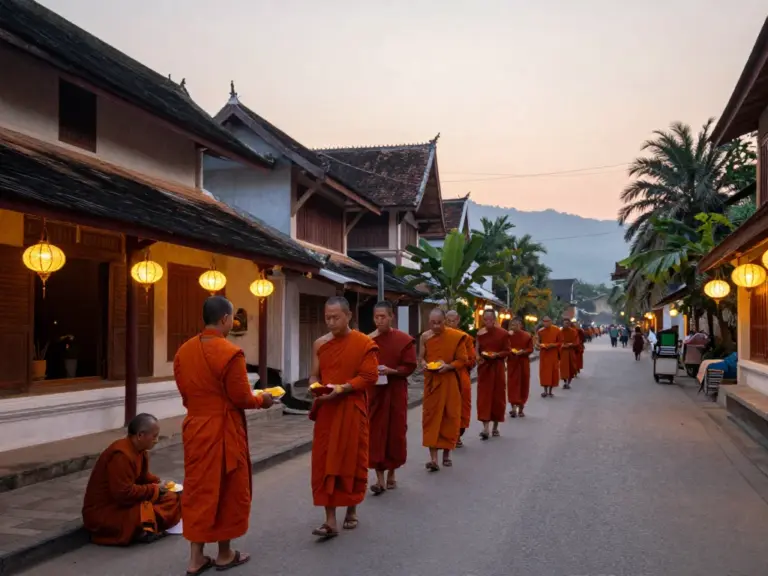
The mist-covered streets of Luang Prabang offer one of the most spiritually resonant sights in Southeast Asia: the daily ritual of Tak Bat, or alms giving. Every morning, as the sun begins to peek over the Mekong River, hundreds of saffron-robed monks emerge from the city’s many ancient temples to collect food offerings from the local community. Engaging in or observing alms giving in Luang Prabang is not merely a tourist activity; it is a profound immersion into a living tradition that has sustained the Lao people for centuries.
The Cultural Significance of Tak Bat
For the people of Luang Prabang, Tak Bat is a symbiotic relationship between the laypeople and the monastic community. The monks, who devote their lives to meditation and study, rely on the community for their physical sustenance. In return, the laypeople receive spiritual merit. This ritual reinforces the social fabric of the city, connecting generations through a shared act of humility and generosity. It is a quiet, meditative start to the day that emphasizes mindfulness and the transience of material goods.
Core Buddhist Beliefs Behind the Ritual
At the heart of alms giving in Luang Prabang is the Buddhist concept of ‘Merit’ (Bun). By giving food—traditionally sticky rice—to the monks, practitioners believe they are accumulating good karma that will influence their current life and future incarnations. This act of ‘Dana’ (giving) is the first of the three pillars of Buddhist practice, followed by morality and meditation. It teaches the practitioner to let go of greed and attachment, fostering a spirit of selflessness.
Best Times and Locations for an Authentic Experience
To witness the ceremony in its most authentic form, timing is everything. The ritual typically begins at sunrise, which varies between 5:30 AM and 6:30 AM depending on the season. While the main road (Sisavangvong Road) is the most popular spot for tourists, it can often feel crowded. For a more serene and authentic experience, head to the smaller side streets or the areas near Wat Xieng Thong.
| Season | Start Time | Atmosphere |
|---|---|---|
| Dry Season (Nov-Apr) | ~5:45 AM | Cool, clear, but more crowded |
| Rainy Season (May-Oct) | ~6:15 AM | Misty, humid, very peaceful |
Etiquette for Visitors: Respecting the Sacred
If you choose to participate or observe, respecting the local customs is paramount. This is a sacred religious rite, not a photo opportunity. Dress modestly with shoulders and knees covered. If you are observing, maintain a respectful distance and do not use flash photography, as it disrupts the meditative state of the monks. If you are participating, buy your rice at the local market early in the morning rather than from street vendors along the route to ensure the quality of the offering.
คำถามที่พบบ่อย (FAQ)
What should I wear to the alms giving ceremony?
You should dress conservatively. Both men and women should have their shoulders, chests, and legs covered. A traditional Lao silk shawl (pha biang) is often worn by locals and is a sign of respect if you choose to participate.
Can I take photos during the ritual?
Yes, but you must be respectful. Do not get in the way of the monks, do not use a flash, and try to use a zoom lens from a distance rather than standing directly in the path of the procession.
Is it okay for non-Buddhists to participate?
Yes, everyone is welcome to participate as long as they do so with sincerity and respect. It is recommended to sit or kneel lower than the monks as they pass by.
What food is traditionally given?
The most common offering is freshly prepared sticky rice. Some locals also provide fruit or traditional sweets. Avoid giving processed snacks or money during the procession.
Where is the best place to watch without the crowds?
Avoid the main Sisavangvong Road. Instead, explore the quiet residential streets behind the major temples or the road running along the Nam Khan river for a more private experience.
References
Visit Laos: The Alms Giving Ceremony Guide
UNESCO: Town of Luang Prabang Heritage Site
- Alms Giving in Luang Prabang: Respectful Participation Tips for Visitors and Photographers
- How to prepare respectfully — appropriate clothing, behavior, and what (and what not) to offer when giving alms
- Watching and joining the procession — step-by-step etiquette, where to stand, how to move, and guidelines for family or group participation