Using Cards and Mobile Payments: Where Credit/Debit Cards Work and How to Avoid Extra Charges
- Using Cards and Mobile Payments: Where Credit/Debit Cards Work and How to Avoid Extra Charges
- The Current State of Cards and Mobile Payments in Laos
- Where Credit and Debit Cards are Accepted
- How to Avoid Extra Charges and Hidden Fees
- The Rise of QR Payments: OnePay and Beyond
- Practical Tips for Managing Money in Laos
- คำถามที่พบบ่อย (FAQ)
- Can I use my credit card at the Luang Prabang Night Market?
- What is the standard surcharge for using a credit card in Laos?
- Are ATMs widely available in Laos?
- Does Apple Pay or Google Pay work in Laos?
Traveling through the serene landscapes of Laos is an unforgettable experience, but managing your finances effectively is key to a stress-free journey. While the country is traditionally cash-reliant, the landscape of cards and mobile payments in Laos is evolving rapidly. Understanding where you can swipe your card and where you must rely on the local Kip is essential for every traveler visiting Vientiane, Luang Prabang, or the rugged mountains of the north.
The Current State of Cards and Mobile Payments in Laos
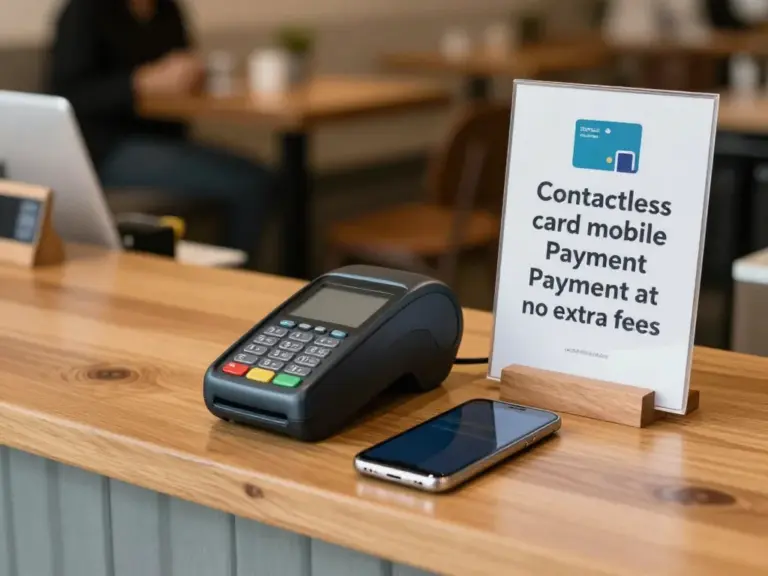
In major tourist hubs like Vientiane and Luang Prabang, the adoption of digital payment systems has accelerated. Most upscale hotels, international restaurants, and boutique shops now accept major credit and debit cards, primarily Visa and Mastercard. However, the use of cards and mobile payments in Laos often comes with specific conditions, such as minimum spend requirements or localized surcharges.
Beyond physical cards, mobile payments have seen a massive surge thanks to the BCEL OnePay system. This QR-code-based payment method is ubiquitous among locals. While primarily designed for those with local bank accounts, some international digital wallets and cross-border QR systems (like those from Thailand or Cambodia) are starting to find interoperability within the Lao banking ecosystem.
Where Credit and Debit Cards are Accepted
Knowing exactly where you can use your plastic can help you budget your cash reserves. Generally, you can expect card acceptance in the following establishments:
- High-end Hotels and Resorts: Almost all 4 and 5-star accommodations accept international cards.
- Upscale Restaurants: In Vientiane and Luang Prabang, mid-to-high range dining spots usually have card terminals.
- Modern Supermarkets: Chains like M-Point or Phimphone Market often accept cards for larger purchases.
- Airline Offices: Booking flights with Lao Airlines or international carriers can typically be done via card.
| Type of Establishment | Card Acceptance | Notes |
|---|---|---|
| Guesthouses | Low | Often cash only or 3% fee |
| Night Markets | None | Strictly cash (Kip) |
| Tour Agencies | Moderate | May require a minimum spend |
| Gas Stations | Low/Moderate | Cash is safer in rural areas |
How to Avoid Extra Charges and Hidden Fees
One of the biggest hurdles when using cards and mobile payments in Laos is the accumulation of extra fees. To keep your travel costs down, consider these strategies:
1. Beware of Local Surcharges
Many merchants in Laos pass the credit card processing fee onto the customer. It is common to see a 3% to 5% surcharge added to your bill if you pay by card. Always ask, “Is there a fee for card payment?” before the transaction is processed. If the fee is high, it might be cheaper to pay in cash.
2. Avoid Dynamic Currency Conversion (DCC)
When a card terminal asks if you want to be charged in your home currency or the local currency (Kip), always choose the local currency. Choosing your home currency triggers DCC, which uses a significantly poorer exchange rate and adds hidden markups.
3. Use Travel-Friendly Bank Cards
Before leaving home, ensure you have a card that offers zero foreign transaction fees. Neobanks and specialized travel cards are excellent for this. Additionally, check your bank’s ATM withdrawal fees, as Lao ATMs often charge a flat fee (usually 20,000 to 40,000 Kip) per transaction on top of your own bank’s charges.
The Rise of QR Payments: OnePay and Beyond
Mobile payments are the future of commerce in Southeast Asia. In Laos, the BCEL OnePay system is the market leader. While it is difficult for short-term tourists to open a local bank account, keep an eye out for apps that support international QR payments. For instance, travelers from Thailand can often use their banking apps to scan Lao QR codes due to regional banking agreements. This is a fantastic way to utilize cards and mobile payments in Laos without carrying stacks of physical bills.
Practical Tips for Managing Money in Laos
To navigate the financial landscape of Laos like a pro, follow these expert tips:
- Inform Your Bank: Tell your bank you are traveling to Laos to prevent your card from being blocked for suspicious activity.
- Carry Multiple Cards: Technical glitches are common. Having both a Visa and a Mastercard is a smart backup plan.
- Exchange Small Amounts: Don’t exchange all your money at once. The Kip is not easily exchanged back into other currencies outside of Laos.
- ATM Limits: Lao ATMs have relatively low withdrawal limits per transaction. If you need a large amount of cash, you may need to perform multiple transactions, incurring multiple fees.