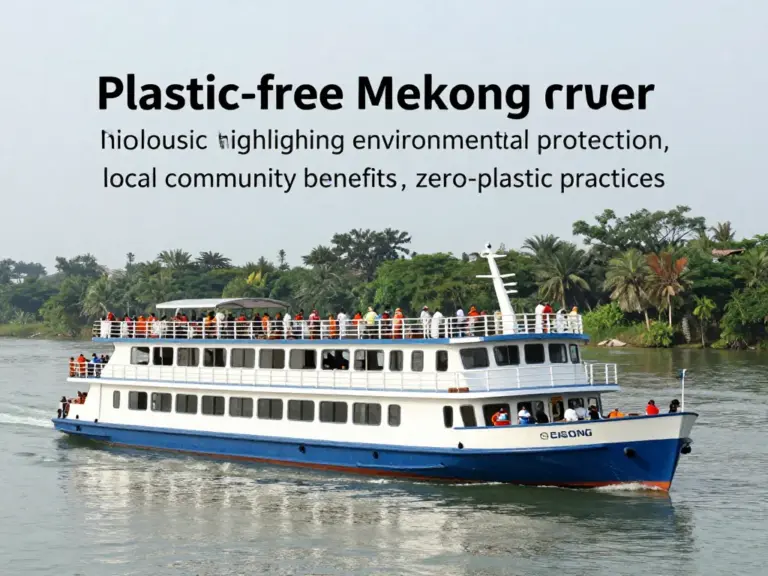
Why plastic-free Mekong cruises matter: environmental impact, community benefits, and what “plastic-free” truly means
- Why plastic-free Mekong cruises matter: environmental impact, community benefits, and what “plastic-free” truly means
The Mekong River is the lifeblood of Southeast Asia, winding through landscapes of breathtaking beauty and sustaining millions of lives. In Laos, the river is not just a transport route but a cultural icon. However, the rise of tourism has brought a silent predator: plastic pollution. Embracing plastic-free Mekong cruises is no longer a luxury choice; it is a fundamental necessity for the survival of this ecosystem and the prosperity of the communities that call its banks home.
The Environmental Impact: Protecting the Pulse of Laos
Every plastic bottle tossed into the Mekong contributes to a global crisis. Microplastics infiltrate the water, harming fish species that are vital to the local diet. By opting for plastic-free Mekong cruises, travelers directly reduce the volume of waste that ends up in the riverbed. These initiatives help preserve the biodiversity of the Mekong, ensuring that future generations can still witness the majestic Irrawaddy dolphins and the diverse avian life that thrives along the Luang Prabang to Pakbeng routes.
Community Benefits: Empowering Local Villages
When a cruise operator commits to being plastic-free, the benefits ripple out to local villages. Instead of importing single-use plastic bottled water, many operators invest in high-tech filtration systems and provide guests with reusable bamboo or stainless steel flasks. This shift often involves partnering with local artisans and social enterprises.
- Job Creation: Local communities are often employed to manage waste collection and upcycling programs.
- Healthier Waterways: Clean water means healthier livestock and better irrigation for riverside farms.
- Cultural Integrity: Reducing litter preserves the pristine aesthetic of traditional villages, making them more attractive for sustainable tourism.
What “Plastic-Free” Truly Means
In the context of a Mekong cruise, “plastic-free” is a comprehensive philosophy rather than just the absence of straws. It involves a circular economy approach where every item is scrutinized.
| Feature | Standard Cruise | Plastic-Free Cruise |
|---|---|---|
| Drinking Water | Single-use plastic bottles | Refillable glass or metal bottles |
| Toiletries | Small plastic sachets/bottles | Refillable ceramic dispensers |
| Food Packaging | Plastic wrap and containers | Reusable beeswax wraps or tiffins |
| Cleaning Supplies | Harsh chemicals in plastic | Biodegradable eco-friendly agents |
The Role of Travelers in Laos Tourism
As a traveler, your choice is your vote. By supporting operators that implement strict plastic-free policies, you encourage the entire industry in Laos to level up. This collective effort transforms the Mekong from a vulnerable resource into a model for sustainable river tourism globally.
คำถามที่พบบ่อย (FAQ)
What are plastic-free Mekong cruises?
They are river boat tours that have eliminated single-use plastics from their operations, focusing instead on reusable materials and sustainable waste management to protect the Mekong ecosystem.
How do these cruises provide clean drinking water?
Most eco-friendly cruises use advanced onboard water filtration systems (UV and carbon filters) to provide safe, clean water that guests can use to refill their reusable bottles.
Are plastic-free cruises more expensive?
While the initial cost might be slightly higher due to the quality of service and sustainable materials used, they offer better value by protecting the environment and supporting local communities directly.
Can I bring my own plastic items?
While you can, it is highly discouraged. Most plastic-free cruises encourage guests to leave plastic packaging at home and provide eco-friendly alternatives for any needs you might have during the journey.
How do I identify a truly plastic-free operator?
Look for certifications or detailed sustainability reports on their website. Genuine operators will be transparent about their supply chain and waste management practices.
References
WWF – Protecting the Mekong River
Official Laos Tourism Portal
- Plastic-Free Mekong Cruises: Eco-Friendly Operators, Practices, and How to Choose the Best Green River Trip
- Top operators and routes for sustainable Mekong cruising: profiles of reputable companies, certifications, and comparatives
- Onboard green practices and amenities to expect: waste management, alternative materials, water systems, and eco-friendly excursions