How to Plan Your Trip: Permits, Local Guides, Accommodation, and Transportation
Planning a journey into the heart of Southeast Asia requires more than just a plane ticket. When it comes to laos tourism, the beauty lies in its rugged mountains, serene rivers, and spiritual heritage. However, navigating the logistical nuances of permits, finding reliable local guides, securing comfortable accommodation, and choosing the right transportation is essential for a seamless experience. This guide provides a comprehensive roadmap for travelers looking to explore the ‘Land of a Million Elephants’ with confidence and ease.
Understanding Entry Requirements and Permits
Before you set foot in Laos, you must ensure your paperwork is in order. Most international travelers require a visa to enter the country. Fortunately, Laos offers a convenient e-Visa system for many nationalities, typically valid for a 30-day stay. If you are planning to visit restricted or remote areas, particularly for specialized trekking or research, additional permits may be required from the provincial authorities.
The Value of Local Guides in Laos Tourism
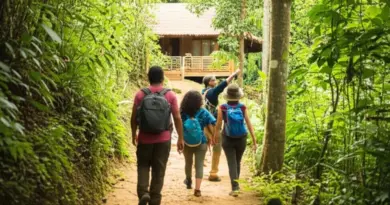
While solo travel is popular, the true essence of laos tourism is often unlocked through the eyes of a local. Local guides offer more than just directions; they provide cultural context, bridge language barriers, and facilitate meaningful interactions with ethnic minority communities. In regions like Luang Namtha or Phongsaly, having a certified guide is often mandatory for trekking to ensure safety and environmental preservation.
When hiring a guide, look for those recognized by the Lao National Tourism Administration. Not only does this ensure a standard of expertise, but it also supports the local economy directly.
Choosing the Right Accommodation
Laos offers a diverse range of stay options, from luxury French colonial villas in Luang Prabang to rustic eco-lodges in the Bolaven Plateau. For those seeking an authentic experience, village homestays are a cornerstone of sustainable tourism in Laos. These stays allow you to live with a local family, sharing meals and stories, which often becomes the highlight of the trip.
| Type of Accommodation | Best For | Price Range |
|---|---|---|
| Luxury Resorts | Couples & Relaxation | High |
| Boutique Hotels | City Explorers | Medium |
| Eco-Lodges | Nature Lovers | Medium |
| Homestays | Cultural Immersion | Low |
Transportation in Laos has undergone a massive transformation. Historically, the ‘Slow Boat’ from Huay Xai to Luang Prabang was the iconic way to travel—a two-day scenic journey down the Mekong. While this remains popular, the new Laos-China Railway has revolutionized travel times, connecting Vientiane to Vang Vieng and Luang Prabang in just a few hours.
For shorter distances, the ubiquitous Tuk-Tuk is your best friend. Always negotiate the fare before starting your journey. For those venturing off the beaten path, renting a motorbike is common, but ensure you have an international driving permit and comprehensive insurance.
คำถามที่พบบ่อย (FAQ)
Q1: Do I need a visa for Laos tourism?
A1: Most travelers need a visa. You can apply for an e-Visa online or obtain a visa-on-arrival at most international airports and land borders.
Q2: Is it safe to drink tap water in Laos?
A2: No, it is recommended to drink bottled or filtered water. Most hotels and guest houses provide complimentary bottled water.
Q3: What is the best time to visit Laos?
A3: The best time to visit is during the dry season, from November to February, when the weather is cool and pleasant for outdoor activities.
Q4: Can I use the high-speed train to travel between cities?
A4: Yes, the Laos-China Railway connects Vientiane, Vang Vieng, Luang Prabang, and Boten. It is highly recommended to book tickets at least 2-3 days in advance.