Trail Difficulty, Safety Tips, and Recommended Gear for Northern Laos Terrain
Exploring the Northern Laos terrain is a dream for many adventure seekers. Characterized by limestone karsts, dense tropical rainforests, and misty mountain peaks, this region offers some of the most rewarding trekking experiences in Southeast Asia. However, the rugged landscape requires careful preparation. Whether you are wandering through the valleys of Luang Prabang or scaling the heights of Phongsaly, understanding the local environment is key to a successful journey.
Understanding Trail Difficulty in Northern Laos
The trails in Northern Laos are rarely flat. Most routes involve significant elevation changes, traversing steep ridges and descending into deep river valleys. Trail difficulty can be categorized into three main levels:
- Easy: Primarily valley-bottom walks through rice paddies and between local villages. These are suitable for most fitness levels.
- Moderate: Includes sustained uphill climbs on forest paths. These trails may be overgrown and require a good level of cardiovascular fitness.
- Challenging: Multi-day treks involving steep ascents, river crossings, and primitive camping. These require high endurance and experience in tropical hiking.
The humidity often makes these trails feel one level harder than their physical profile suggests. It is essential to pace yourself and stay hydrated while navigating the Northern Laos terrain.
Essential Safety Tips for the Jungle
Safety is paramount when venturing into remote areas. The wilderness of Laos is beautiful but can be unforgiving if you are unprepared.
- Hire a Local Guide: Many trails are not well-marked. A local guide not only prevents you from getting lost but also provides cultural context and ensures you don’t stray into areas with unexploded ordnance (UXO).
- Stay on the Path: This is critical in Laos due to the historical presence of UXO in rural areas. Never wander off established trails.
- Hydration and Electrolytes: The tropical heat leads to rapid fluid loss. Carry at least 2-3 liters of water and use electrolyte powders.
- Wildlife Awareness: While large predators are rare, leeches, mosquitoes, and spiders are common. Wear long sleeves and use high-DEET repellent.
Recommended Gear for Northern Laos Terrain
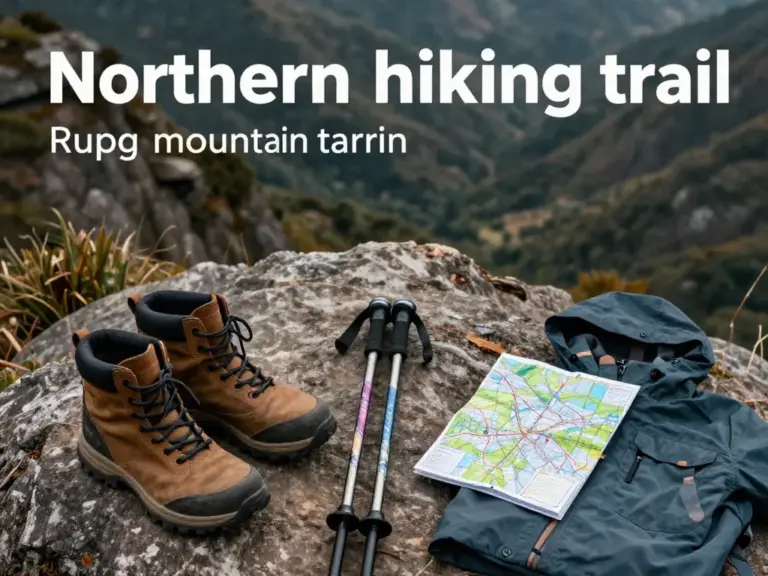
Packing the right gear can make the difference between an enjoyable trek and a miserable ordeal. Given the varied Northern Laos terrain, your gear should prioritize breathability and durability.
| Category | Recommended Item | Reason |
|---|---|---|
| Footwear | Hiking boots with deep lugs | Necessary for muddy and slippery slopes. |
| Clothing | Moisture-wicking synthetics | Cotton stays wet; synthetics dry quickly in humidity. |
| Protection | Rain poncho | Sudden tropical downpours are common even in the dry season. |
| Navigation | Offline Maps (Maps.me/Gaia) | Cell service is non-existent in deep valleys. |
| Health | First Aid Kit with Antiseptic | Small scratches can infect quickly in the jungle. |
Don’t forget a lightweight headlamp with extra batteries, especially if you are staying in village homestays where electricity may be limited or unavailable after dark.
คำถามที่พบบ่อย (FAQ)
Is it safe to trek alone in Northern Laos?
It is generally not recommended to trek alone in remote parts of Northern Laos due to the lack of trail markings and the risk of UXO. Hiring a local guide is the safest and most responsible way to explore.
What is the best time of year to visit?
The best time is from November to February during the cool, dry season. From March to May, it becomes very hot and smoky due to slash-and-burn agriculture, and June to October is the rainy season which makes trails very muddy.
Are there leeches in the Northern Laos terrain?
Yes, especially during and immediately after the rainy season. Wearing long socks, tucking your trousers into your socks, and using insect repellent can help prevent bites.
Do I need special permits for trekking?
For many protected areas, such as the Nam Ha National Biodiversity Conservation Area, you must go through a licensed tour operator who handles the necessary permits and village fees.