Why Vang Vieng Changed: History, Policy Shifts, and the Rise of Sustainable Adventure Tourism
- Why Vang Vieng Changed: History, Policy Shifts, and the Rise of Sustainable Adventure Tourism
- The Wild West Era: Unregulated Growth and its Consequences
- Policy Shifts and the Drive for Change
- The Rise of Sustainable Adventure Tourism
- Vang Vieng Today: A Mature and Responsible Destination
- คำถามที่พบบ่อย (FAQ)
- What caused Vang Vieng’s negative reputation in the past?
- How did the Laotian government intervene to change Vang Vieng?
- What kind of tourism does Vang Vieng focus on now?
- Is Vang Vieng safe for tourists today?
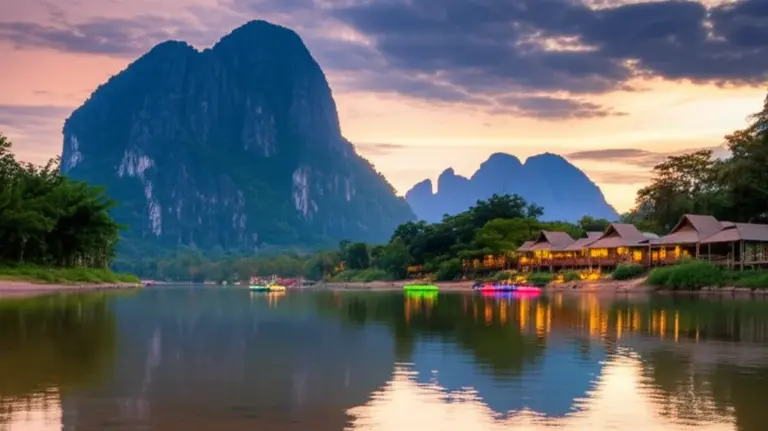
Vang Vieng, a picturesque town nestled amidst the dramatic karst mountains and the serene Nam Song River in Laos, has undergone a remarkable metamorphosis. Once notorious as a wild, unregulated backpacker party haven, it has consciously shed its controversial past to emerge as a leading destination for Vang Vieng sustainable adventure tourism. This profound shift is not merely a natural evolution but the result of critical historical events, decisive policy interventions, and a collective commitment to preserving its natural beauty and cultural integrity.
The Wild West Era: Unregulated Growth and its Consequences
In the late 1990s and early 2000s, Vang Vieng gained international notoriety, attracting hordes of young backpackers drawn by its stunning natural landscape and, more significantly, its unchecked party scene. The town became synonymous with ‘tubing’ down the Nam Song River, often accompanied by excessive alcohol consumption, drug use, and risky activities like rope swings and ‘death slides’ at riverside bars. This era saw a rapid, unplanned growth of tourism infrastructure, with little regard for safety, environmental impact, or cultural preservation. [2, 3, 11, 19, 20]
Early Backpacker Influx and Hedonism
Initially, Vang Vieng was a quiet stopover between Vientiane and Luang Prabang, discovered by backpackers for its breathtaking scenery. [2, 11] However, the relaxed atmosphere quickly devolved into a hedonistic free-for-all. Bars sprung up along the river, offering cheap alcohol and a permissive environment that encouraged reckless behavior. The allure of cheap thrills overshadowed the town’s natural charm. [19, 20]
Tragic Events and Reputational Damage
The lack of regulation led to tragic consequences. In 2011 alone, Vang Vieng’s hospital recorded 27 tourist deaths, primarily due to drowning or accidents related to tubing and other high-risk activities, often compounded by intoxication. [3, 11, 12] These fatalities, along with widespread reports of injuries and drug use, severely tarnished Vang Vieng’s reputation on the global stage, prompting international concern and calls for intervention. [13, 19, 20, 22]
Policy Shifts and the Drive for Change
The mounting casualties and negative publicity ultimately forced the Laotian government to take decisive action. In 2012, authorities launched a significant crackdown, shutting down numerous riverside bars and implementing stricter safety regulations. [3, 12, 13] This marked a pivotal moment, signaling a clear shift away from uncontrolled tourism towards a more managed and responsible approach.
Government Intervention and Safety Measures
The government’s intervention was a direct response to the safety crisis. Bars were dismantled, and rules were enforced to curb dangerous activities and excessive drinking. While initially impacting local businesses, this strict approach was deemed necessary to reclaim the town’s image and ensure visitor safety. [12] The long-term goal was to create a more sustainable and family-friendly environment. [15]
Diversification of Tourism Offerings and Master Plans
Beyond curbing the party scene, efforts were made to diversify Vang Vieng’s tourism appeal. The focus shifted to promoting its inherent natural attractions and a wider range of activities. Recent developments include the announcement of a National Development Master Plan and Management Strategy for Vang Vieng for 2025-2035, aiming for integrated urban and tourism development, sustainable land use, and the protection of natural and cultural heritage. [8, 9, 14, 17]
The Rise of Sustainable Adventure Tourism
The policy shifts paved the way for the emergence of Vang Vieng sustainable adventure tourism. The town began to leverage its stunning landscape for legitimate adventure sports and ecotourism, attracting a different demographic of travelers seeking nature, culture, and responsible experiences.
Embracing Ecotourism and Nature Activities
Today, Vang Vieng thrives on activities like kayaking and rafting on the Nam Song River, rock climbing, caving, zip-lining, hot air ballooning, and exploring the famous Blue Lagoons. [3, 6, 10, 15] These activities highlight the region’s natural beauty while promoting a more active and environmentally conscious form of tourism. Initiatives like improved waste management systems further underscore the commitment to sustainability. [4]
Community Involvement and Benefits
The shift has also emphasized community-based tourism, encouraging visitors to engage with local culture and support the local economy directly. Staying in family-owned guesthouses, eating at local restaurants, and buying crafts from artisans help ensure that tourism benefits the community. [5] This approach fosters a more respectful and mutually beneficial relationship between tourists and locals.
Did you know?
Vang Vieng is recognized for its pristine natural beauty, vibrant rivers, limestone mountains, welcoming communities, and diverse eco-tourism and adventure activities. [8]
Vang Vieng Today: A Mature and Responsible Destination
Vang Vieng has successfully reinvented itself, moving past its ‘party town’ image to become a more mature and responsible tourist destination. It now appeals to a broader range of visitors, including families and those seeking authentic cultural and nature-based experiences. [2, 15, 23]
The town has worked hard to balance tourism growth with sustainability, focusing on environmental protection and community benefits. While challenges remain, particularly in managing the influx of visitors and ensuring continued adherence to regulations, the government’s ongoing master plans for tourism development (2025-2035) highlight a strong commitment to a sustainable future for Vang Vieng. [8, 9, 16, 17, 18]
คำถามที่พบบ่อย (FAQ)
References
- Travelsetu.com – Vang Vieng (Laos) History
- Wikipedia – Vang Vieng
- Tourism Laos – Vang Vieng Goes Green with New Waste System
- TripJive – Responsible Tourism In Vang Vieng: Positively Impact
- Travel + Leisure Asia – Vang Vieng, A Surprising Discovery Through Laos’ Unexpected Charm
- Xinhua – Lao gov’t targets tourism growth in Vangvieng
- KPL – Vang Vieng Development Master Plan Announced for 2025–2035
- YouTube – Vang Vieng, Laos – Top Things to Do
- Rusty Compass – Vang Vieng travel guide
- The City Journal – Trouble in Paradise: what went wrong in Vang Vieng
- The Guardian – In wake of Laos backpacker deaths, questions linger in Vang Vieng
- Lao CSO – Govt to upgrade tourism standards in Vangvieng
- Brogan Abroad – Vang Vieng, Laos: From Hedonism To Sustainable Tourism
- Laos DMN – VANG VIENG TOWN & ENVIRONS TOURISM MASTER PLAN (2024-2034) IMPLEMENTATION
- YouTube – Government unveils master plan for sustainable tourism development in Vang Vieng (2025–2035)
- Tourism Laos – Vang Vieng Aims for 2 Million Tourists, Infrastructure Focus
- The World from PRX – Vang Vieng, Laos: backpacker mecca turned disaster magnet?
- Claire’s Footsteps – Why I Didn’t Party in Vang Vieng
- Al Jazeera – Laos’ methanol poisoning deaths send chill through backpacker paradise
- YouTube – Vang Vieng is NOT The Same Anymore | LAOS VLOG