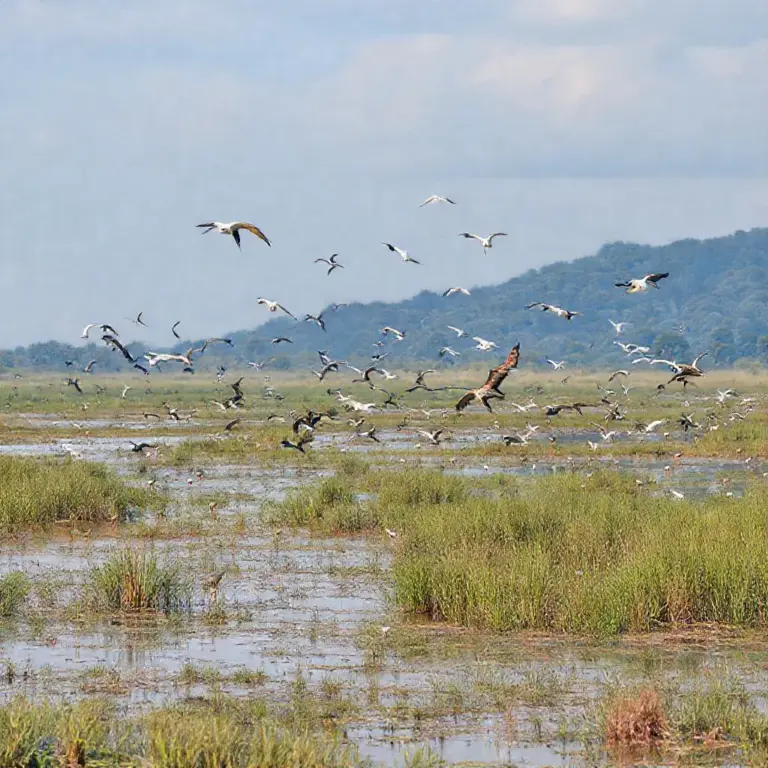
Where Xe Pian Is and Why It’s a Top Spot for Birdwatching — habitats, seasons, and best times to go
- Where Xe Pian Is and Why It’s a Top Spot for Birdwatching — habitats, seasons, and best times to go
- Locating the Avian Paradise: Where Exactly is Xe Pian?
- The Avian Riches: Why Xe Pian is a Top Spot for Birdwatching
- Planning Your Visit: Best Seasons and Times to Go
- Expert Tips for Maximizing Your Xe Pian Birding Experience
- The Conservation Context: Protecting Xe Pian’s Future
- Conclusion: Your Journey to Xe Pian Awaits
- คำถามที่พบบ่อย (FAQ)
- What is the main gateway city for visiting Xe Pian?
- Is Xe Pian accessible year-round for birdwatching?
- What is the primary threat to the Giant Ibis population in Xe Pian?
Welcome, fellow nature enthusiasts! For those seeking unparalleled avian encounters in Southeast Asia, look no further than the remote wetlands of Southern Laos. This guide focuses on illuminating precisely Where Xe Pian Is and Why It’s a Top Spot for Birdwatching, offering essential insights into its unique ecosystems, optimal viewing seasons, and practical tips for your expedition. Xe Pian is not merely a destination; it is a globally significant biodiversity hotspot.
Locating the Avian Paradise: Where Exactly is Xe Pian?
The Xe Pian Non-Timber Forest Project (NTFP) area, often referred to simply as Xe Pian, is situated in the southern reaches of the Lao People’s Democratic Republic. Specifically, it lies within the provinces of Attapeu and Champasak. Its strategic location near the border with Cambodia contributes significantly to its ecological richness.
Geographical Significance and Protected Status
Xe Pian is renowned for encompassing the Xe Sap National Protected Area (NPA), which includes vital floodplain wetlands. This designation underscores its ecological importance, making it a cornerstone of conservation efforts in Laos. The area is characterized by a mosaic of habitats, transitioning from dry evergreen forests on the surrounding hills to the vast, seasonally flooded plains near the Xe Pian River.
The Avian Riches: Why Xe Pian is a Top Spot for Birdwatching
The primary reason Xe Pian earns its reputation as a premier birdwatching location stems directly from its diverse and intact habitats. This area acts as a critical stopover and breeding ground for numerous threatened and rare species that have vanished from more developed parts of Southeast Asia. Understanding these habitats is key to a successful birding trip.
Key Habitats Supporting Diverse Avifauna
The landscape around Xe Pian is a tapestry woven from different environments, each attracting specific bird communities:
- Seasonal Floodplains: These vast, open wetlands are the stars of the show, particularly during the dry season when receding waters concentrate food sources. They attract large congregations of waterbirds.
- Gallery Forests: Narrow strips of forest line the riverbanks, providing nesting sites and cover for forest-dwelling species.
- Dry Evergreen Forests: Covering the higher ground, these forests host specialized woodland birds, often requiring keen observation skills to spot.
- Grasslands and Scrub: Areas of regenerating scrub and high grass offer specialized habitat for ground-nesting and skulking species.
Target Species: The Must-See Birds of Xe Pian
Birders travel here hoping to tick off globally threatened species. The presence of these birds confirms the area’s conservation value.
| Species | Conservation Status (IUCN) | Habitat Preference |
|---|---|---|
| Giant Ibis | Endangered | Wetland Margins, Rice Paddies |
| White-shouldered Ibis | Critically Endangered | Flooded Grasslands |
| Indian Skimmer | Near Threatened | River Sandbanks |
| Black-headed Ibis | Least Concern (but locally important) | Shallow Water Bodies |
Spotting the Giant Ibis, the national bird of Cambodia which also thrives here, is often the highlight of any trip to Where Xe Pian Is and Why It’s a Top Spot for Birdwatching.
Planning Your Visit: Best Seasons and Times to Go
Timing is everything when visiting a wetland system reliant on monsoon cycles. Your success in spotting migratory and resident birds is highly dependent on the Lao seasonal calendar.
The Dry Season: Peak Birding Time (November to April)
The absolute best time to visit Xe Pian is during the cool, dry season. This period generally runs from November through April. During these months, the floodwaters recede, exposing vast mudflats and shallow pools. This concentration of water and prey attracts large numbers of waterbirds, including both resident species and crucial Palearctic migrants.
- Peak Waterbird Viewing: Look for large flocks of ducks, storks, and ibises foraging in the exposed areas.
- Comfort: Temperatures are more manageable for long days in the field compared to the intense heat of the hot season.
- Accessibility: Roads and tracks leading into the core wetland areas are generally more passable during this time.
The Wet Season: Challenges and Opportunities (May to October)
The monsoon season brings heavy rain, causing extensive flooding. While this makes access difficult and limits visibility in open areas, it can be rewarding for forest birding, as species are more active after rains, and resident breeding activity peaks.
Daily Timing: Early Bird Catches the Worm
As with all serious birdwatching, the best time of day is immediately after sunrise (the first two hours) and just before sunset. Birds are most active feeding and singing during these cooler periods. Midday heat often results in long periods of inactivity.
Expert Tips for Maximizing Your Xe Pian Birding Experience
To fully appreciate Where Xe Pian Is and Why It’s a Top Spot for Birdwatching, careful preparation and local knowledge are paramount. This area remains relatively undeveloped for mass tourism, requiring a more self-sufficient approach.
Engage Local Expertise
Hiring a local guide, often organized through community-based tourism projects or reputable local operators in Pakse (the gateway city), is invaluable. Local guides possess the intimate knowledge of where specific species were last seen and how to navigate the wetland paths safely.
Essential Gear Checklist
Pack light but smart. The humidity and heat demand specific gear:
- High-quality binoculars (8×42 or 10×42 recommended).
- Spotting scope for distant waterfowl identification.
- Lightweight, quick-drying, neutral-colored clothing.
- Sturdy, waterproof boots or gaiters for muddy conditions.
- Strong insect repellent, especially during the shoulder seasons.
Responsible Ecotourism
As an area supporting critically endangered species, responsible behavior is mandatory. Always maintain a respectful distance, especially from nesting sites or feeding congregations. Support local communities directly through fair payment for guiding services to ensure the economic incentive for conservation remains strong.
The Conservation Context: Protecting Xe Pian’s Future
The preservation of this area is vital not just for birds, but for the entire Mekong ecosystem. Organizations like the WWF have long been involved in conservation programs here, focusing on sustainable management of the wetlands and working with local communities to balance livelihoods with wildlife protection. Your visit contributes to the funding that supports these crucial efforts.
Immerse yourself in the soundscape of this irreplaceable Lao treasure.
Conclusion: Your Journey to Xe Pian Awaits
Xe Pian represents one of Asia’s last great wetland frontiers. By understanding Where Xe Pian Is and Why It’s a Top Spot for Birdwatching—its geography, its seasonal rhythms, and its vulnerable inhabitants—you are preparing for a truly meaningful ecotourism adventure. Pack your gear, respect the environment, and prepare to witness avian life thriving in one of Laos’s most important natural sanctuaries.
คำถามที่พบบ่อย (FAQ)
References
- Birdwatching in Xe Pian National Protected Area: What You Can Spot and How to Plan Your Visit
- Iconic and Rare Birds You Might See — species list with identifying features and rarity status (e.g., Sarus Crane, Bengal Florican)
- Where to Watch: Best Trails, Wetlands, and Viewing Stations — specific locations, accessibility, and recommended routes