Laos is a land of rugged mountains, mysterious cave systems, and the mighty Mekong River. For the intrepid traveler, it offers some of the most authentic adventure experiences in Southeast Asia. However, the raw beauty of Laos comes with unique challenges. From navigating dense jungles to understanding the seasonal moods of its waterways, being prepared is the difference between a trip of a lifetime and a dangerous ordeal. This guide covers essential safety tips for Laos, ensuring your journey is both thrilling and secure.
1. Essential Gear: Packing for the Lao Wilderness
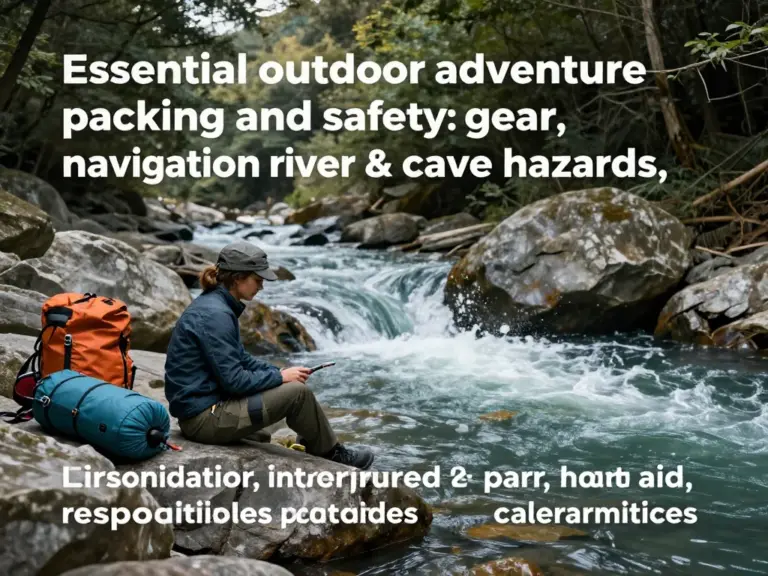
When packing for Laos, the golden rule is ‘versatility.’ The climate can shift from humid river basins to chilly mountain nights in Northern provinces like Phongsaly. High-quality moisture-wicking clothing is essential to handle the humidity while preventing skin infections.
- Dry Bags: Essential for river crossings and monsoon downpours.
- Footwear: Sturdy, waterproof hiking boots with good grip for slippery limestone.
- Headlamp: A high-lumens waterproof headlamp is mandatory for cave exploration.
- Leech Socks: If trekking during the rainy season (May to October).
Don’t forget a reusable water bottle with a built-in filter. While bottled water is available in towns, remote trekking routes require you to purify your own water to avoid plastic waste and illness.
Connectivity in rural Laos can be spotty. While major hubs like Luang Prabang and Vientiane have 4G, deep jungle valleys do not. Relying solely on Google Maps is a common mistake. Download offline maps via Maps.me or Gaia GPS before heading out.
Always inform your guesthouse or a local guide of your intended route and expected return time. In areas like the Bolaven Plateau, trails can become obscured quickly after heavy rain.
3. River and Cave Hazards: Respecting the Elements
Laos is famous for its river tubing and ‘wild’ caves. However, these are the areas where most accidents occur. River currents, especially in the Mekong and Nam Song, can be deceptively strong. Always wear a life jacket, even if you are a strong swimmer.
Cave Safety Protocols
Caves like Tham Phu Kham in Vang Vieng are stunning but dangerous. Flash flooding is a real risk during the monsoon. Never enter a cave system if heavy rain is forecast. Ensure you have at least two light sources and never explore deep systems without a certified local guide who understands the cave’s topography.
4. First Aid and Health: Tropical Preparedness
Medical facilities in rural Laos are basic. A robust first aid kit is your first line of defense. Focus on wound care; in the tropics, a small scratch can turn into a serious infection within 24 hours. Include antiseptic wipes, antibiotic ointment, and waterproof bandages.
| Item | Purpose |
|---|---|
| Electrolyte Salts | Prevent dehydration from heat exhaustion. |
| DEET Insect Repellent | Protection against Dengue and Malaria. |
| Antihistamines | For unexpected stings or plant allergies. |
| Personal Meds | Prescriptions with copies of the doctor’s note. |
5. Responsible Adventure Practices
Responsible adventure is about minimizing your footprint and respecting local customs. Laos is a deeply Buddhist country. When visiting remote villages, dress modestly and always ask for permission before taking photos.
Support the local economy by hiring local guides. Not only does this provide income to the community, but their indigenous knowledge of the terrain is the best safety tip for Laos you can receive. Avoid single-use plastics and carry out all trash from national protected areas.
คำถามที่พบบ่อย (FAQ)
Q1: Is it safe to trek alone in Laos?
A1: It is generally recommended to trek with a guide or at least one partner. Remote areas have limited signal and the risk of UXO makes staying on known paths with a local expert much safer.
Q2: What is the biggest safety concern for travelers in Laos?
A2: Road accidents and water-related incidents (tubing/kayaking) are the most common issues. Always wear helmets on motorbikes and life jackets on rivers.
Q3: Do I need special vaccinations for an adventure trip?
A3: Consult your doctor, but typically Hepatitis A, Typhoid, and Tetanus boosters are recommended. Malaria prophylaxis may be needed for deep jungle trekking.
Q4: How do I handle the UXO risk?
A4: Never touch any metallic objects found in the forest. Stick to well-trodden paths and heed all warning signs in provinces like Xieng Khouang.
References
- Kayaking and Caving in Vang Vieng: The Ultimate Adventurer’s Guide to Rivers, Caves, and Safety
- Best Times to Go and How to Get There: Seasonal Conditions, Transportation Options, and Permits for Vang Vieng Kayaking and Caving
- Choosing the Right Tours and Guides: Comparing Kayak Rentals, Guided Cave Trips, Skill Levels, and Trusted Local Operators