Why the Nam Ou River Matters: Understanding the Route, Local Communities, and Responsible Tourism
When planning a trip to Northern Laos, travelers often flock to the UNESCO World Heritage site of Luang Prabang. However, for those seeking the true pulse of the country, the answer lies in the winding waters of the Nam Ou River. Why the Nam Ou River Matters goes beyond its aesthetic beauty; it is the lifeblood of remote provinces, a historical trade artery, and a sanctuary for diverse ethnic cultures. Understanding this river is essential for any traveler hoping to engage in meaningful, responsible tourism in Southeast Asia.
The Route: A Journey Through Northern Laos
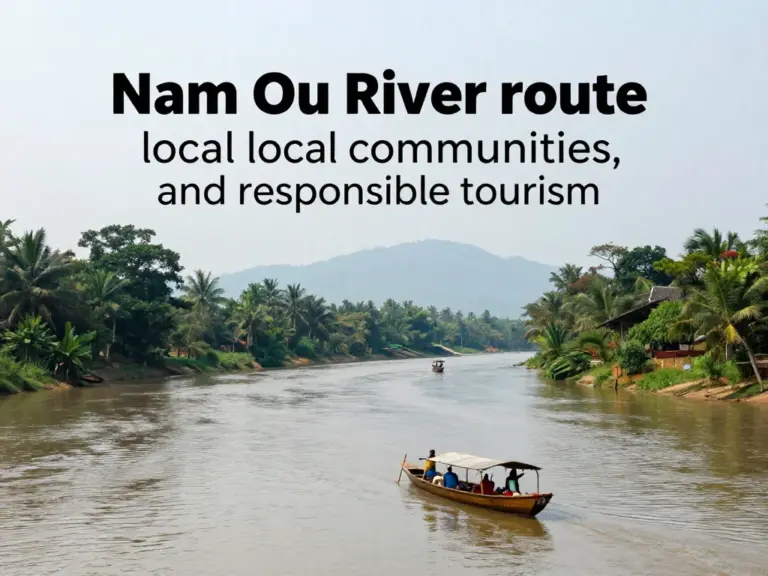
The Nam Ou River is more than just water; it is a dramatic corridor that cuts through some of the most rugged and breathtaking limestone karst landscapes in the region. Starting high in the mountains of Phongsaly near the Chinese border, the river descends southwards, passing through Oudomxay and Luang Prabang provinces before meeting the Mekong River at Pak Ou.
Traveling this route offers a rare glimpse into a vanishing way of life. While modern roads have begun to connect these remote areas, the river remains the primary highway for many villages. Cruising sections of the Nam Ou—specifically between Nong Khiaw and Muang Ngoi—provides travelers with a perspective of Laos that remains untouched by mass tourism.
Connecting With Local Communities
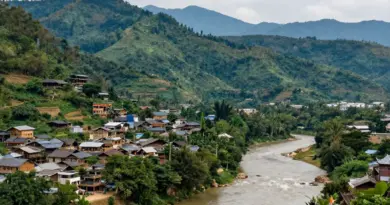
The riverbanks are dotted with villages belonging to various ethnic groups, including the Khmu, Hmong, and Tai Lue. For these communities, the river is central to daily existence—providing water for irrigation, fish for sustenance, and a means of transport for goods and people. Engaging with these communities requires a respectful approach. When you visit these areas, you are not merely a tourist; you are a guest in a home that has been carefully balanced with nature for generations.
| Activity | Cultural Impact |
|---|---|
| Homestays | Direct economic benefit to local families. |
| Local Markets | Supports small-scale agriculture and crafts. |
| River Transport | Provides income for local boat operators. |
Responsible Tourism: Preserving the Nam Ou
As development increases in Northern Laos, the challenge of preserving the river’s integrity becomes paramount. Responsible tourism here means more than just “leaving no trace.” It involves conscious choices: hiring local guides who understand the ecological and cultural significance of the river, purchasing locally made handicrafts rather than mass-produced imports, and respecting the quiet, simple lifestyle of the riverside villagers. By choosing eco-friendly guesthouses and minimizing plastic waste, travelers can help ensure that the Nam Ou remains a pristine environment.
คำถามที่พบบ่อย (FAQ)
Q1: What is the best way to experience the Nam Ou River?
A: The most popular and accessible way is to take a boat trip between Nong Khiaw and Muang Ngoi. This short stretch offers some of the most dramatic scenery and allows for easy exploration of riverside villages.
Q2: Is it safe to swim in the Nam Ou River?
A: Generally, yes, but always ask locals about current conditions. During the rainy season, the currents can be very strong. Always prioritize safety and local advice.
Q3: How does tourism affect the local communities along the river?
A: Responsible tourism provides essential income for remote villages. By engaging with local homestays and guides, you directly contribute to the local economy, which helps preserve traditional ways of life.