What Activities Are Truly Ethical? — Feeding, Bathing, Observation, Volunteer Programs, and Responsible Photography Tips
- What Activities Are Truly Ethical? — Feeding, Bathing, Observation, Volunteer Programs, and Responsible Photography Tips
- Understanding Ethical Tourism in Laos
- Ethical Engagements with Wildlife
- Ethical Participation: Volunteer Programs and Community Support
- Responsible Photography Tips in Laos
- Making Informed Choices: Research and Resources
- Conclusion
- คำถามที่พบบ่อย (FAQ)
- What is the most ethical way to see elephants in Laos?
- How can I ensure my volunteer program in Laos is ethical?
- What are some responsible ways to support local communities in Laos?
- Is it okay to take photos of local people or monks in Laos?
Laos, with its serene landscapes, rich cultural heritage, and incredible biodiversity, is a gem waiting to be explored. As its tourism sector grows, so does the responsibility of visitors to engage in practices that are genuinely beneficial and non-harmful. Understanding what constitutes truly ethical tourism activities in Laos is paramount for any traveler aiming to make a positive impact. This guide will delve into various popular tourist engagements, offering insights into how to ensure your adventures align with ethical principles, safeguarding both the environment and local communities.
Understanding Ethical Tourism in Laos
Ethical tourism transcends mere sightseeing; it’s about making conscious choices that respect local cultures, protect the environment, and contribute positively to the host community’s well-being. In a country like Laos, where resources can be limited and traditions deeply ingrained, these choices hold even greater significance.
The Core Principles of Responsible Travel
- Minimizing Impact: Reducing your ecological footprint and avoiding harm to natural habitats.
- Respecting Culture: Understanding and honoring local customs, beliefs, and social norms.
- Benefiting Locals: Ensuring your spending directly supports local economies and provides fair wages.
- Animal Welfare: Prioritizing the health and natural behavior of animals over entertainment.
Why Ethics Matter in Laos Tourism
Laos is home to diverse ecosystems, including the Mekong River and vast tropical forests, which are crucial for numerous species. Its vibrant culture, influenced by Buddhism and various ethnic groups, is a treasure. Unethical tourism can lead to exploitation, environmental degradation, and the erosion of cultural identity. By choosing ethical tourism activities in Laos, you help preserve these invaluable assets for future generations.
Ethical Engagements with Wildlife
Wildlife encounters are often a highlight of travel, but they are also areas where ethical lines can easily be crossed. It’s crucial to distinguish between genuine conservation efforts and exploitative practices.
Feeding Animals: A Closer Look
While seemingly harmless, feeding wild animals can have detrimental effects. It can lead to dependency on humans, alter natural foraging behaviors, and increase aggression. Animals may also become exposed to diseases from human food or lose their fear of humans, making them vulnerable to poaching or accidents. In general, avoid feeding any wild animals, unless explicitly guided by a reputable conservation program that uses feeding as part of a controlled rehabilitation or rewilding process.
Bathing with Animals: Is it Truly Harmless?
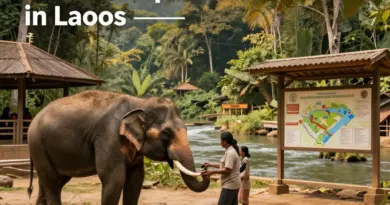
The allure of bathing with elephants, for instance, is strong, but it’s often a red flag for unethical tourism. Many elephants involved in these activities have endured harsh training (phajaan) to become compliant. The constant presence of tourists can be stressful for the animals, disrupting their natural social structures and behaviors. True elephant sanctuaries prioritize the animals’ well-being, allowing them to roam freely and interact naturally, with human interaction limited to respectful observation.
Observation: The Safest Approach
Observing animals in their natural or semi-natural habitats from a respectful distance is the most ethical way to appreciate wildlife. Look for sanctuaries and conservation centers that focus on rehabilitation, rescue, and education, where the animals’ welfare is paramount. These organizations typically do not allow direct contact, feeding, or bathing by tourists. Supporting such initiatives helps fund their vital work. For an example of a truly ethical elephant experience, consider places like MandaLao Elephant Sanctuary, which focuses on non-riding, ethical interactions.
Watch a Glimpse of Ethical Elephant Care!
To better understand what ethical elephant tourism looks like, here’s a video from MandaLao Elephant Sanctuary in Laos, showcasing their commitment to welfare and natural behavior.
Ethical Participation: Volunteer Programs and Community Support
Volunteer tourism can be a powerful force for good, but it also carries risks if not approached thoughtfully. The same applies to how you interact with and support local communities.
Identifying Responsible Volunteer Opportunities
Before committing to a volunteer program, ask critical questions:
- Who benefits most? The community or the organization?
- Are your skills genuinely needed? Avoid programs that displace local workers.
- What is the long-term impact? Sustainable projects are key.
- Avoid ‘Orphanage Tourism’: This often fuels child exploitation. Support community-based education or family preservation instead.
Supporting Local Communities Ethically
Your spending power is a direct way to support locals. Choose locally-owned guesthouses, restaurants, and tour operators. Buy handicrafts directly from artisans, ensuring they receive a fair price. Engage in community-based tourism initiatives that are run by and directly benefit local villages, offering authentic cultural experiences while providing income.
Responsible Photography Tips in Laos
Photography is a wonderful way to capture memories, but it must be done with respect and awareness.
Respecting Privacy and Culture
- Always Ask Permission: Especially before photographing people, particularly monks, children, or ethnic minorities. A smile and a gesture often suffice.
- Be Mindful of Sacred Sites: Photography may be restricted or prohibited in certain areas of temples or religious ceremonies. Respect these rules.
- Avoid Intrusive Shots: Do not use long lenses to take photos of people without their knowledge, as this can feel invasive.
Minimizing Disturbance to Wildlife
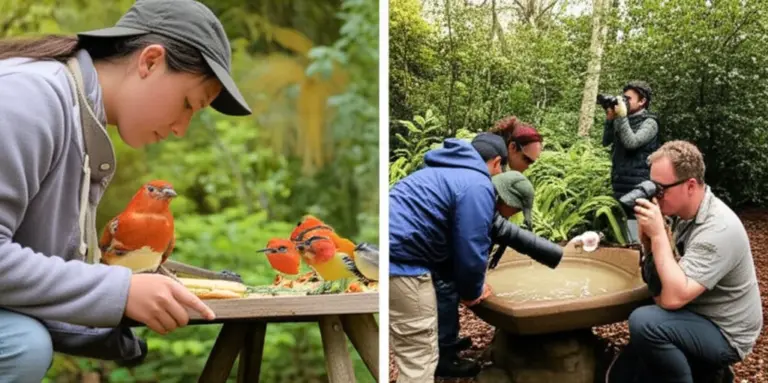
- No Flash Photography: Especially at night or in low-light conditions, as it can disorient and distress animals.
- Maintain Distance: Use zoom lenses instead of approaching animals too closely.
- Never Bait Animals: Do not use food or other attractants to get a better shot, as this disrupts their natural behavior.
Making Informed Choices: Research and Resources
The key to practicing ethical tourism activities in Laos lies in thorough research. Before booking any tour or activity, investigate the operator’s ethical policies. Look for certifications from reputable organizations, read independent reviews, and seek out recommendations from responsible travel blogs and forums. Resources like the Responsible Travel website can provide valuable insights into ethical operators worldwide, including those in Southeast Asia.
Conclusion
Choosing to engage in ethical tourism activities in Laos is a powerful way to ensure your journey leaves a positive legacy. By opting for observation over direct interaction with wildlife, supporting genuine community-led initiatives, and practicing respectful photography, you contribute to the sustainability of Laos’s natural beauty and cultural integrity. Your mindful choices not only enrich your own travel experience but also help preserve this enchanting country for future generations of both locals and visitors alike. Travel responsibly, travel ethically, and let your adventures be a force for good.
คำถามที่พบบ่อย (FAQ)
References
- Responsible Travel – A comprehensive resource for ethical travel.
- MandaLao Elephant Sanctuary Laos – Information on ethical elephant tourism.
- World Animal Protection – Insights into animal welfare in tourism.