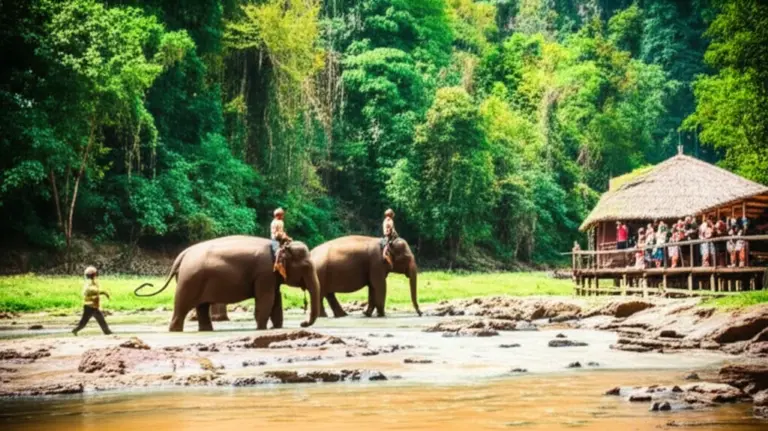
Top Ethical Elephant Sanctuaries in Laos — Profiles, Locations, Admission, and What to Expect During a Visit
- Top Ethical Elephant Sanctuaries in Laos — Profiles, Locations, Admission, and What to Expect During a Visit
- Why Choose Ethical Elephant Sanctuaries in Laos?
- Featured Ethical Elephant Sanctuaries in Laos
- Planning Your Visit: Essential Tips
- What to Expect: A Day with Laos’ Gentle Giants
- Conclusion
- คำถามที่พบบ่อย (FAQ)
- Q1: What makes an elephant sanctuary in Laos truly ethical?
- Q2: Can I interact with the elephants at these sanctuaries?
- Q3: How do I choose the best ethical elephant sanctuary for my trip?
- Q4: Is visiting an ethical elephant sanctuary expensive?
- Q5: What should I bring for a visit to an elephant sanctuary?
- References
Laos, often called the ‘Land of a Million Elephants,’ holds a profound connection with these majestic creatures. For travelers seeking meaningful and responsible encounters, exploring the Ethical Elephant Sanctuaries in Laos offers an unparalleled experience. This guide provides an in-depth look at leading sanctuaries, detailing what makes them ethical, their locations, admission details, and what visitors can expect from a day spent observing and learning about these gentle giants in their natural or semi-natural habitats. Join us as we journey into the heart of responsible tourism in Laos.
Important Note on Ethical Tourism
When planning your visit, it’s crucial to understand the distinction between ethical sanctuaries and traditional elephant camps. True ethical sanctuaries prioritize elephant welfare, forbidding riding, forced performances, and other harmful practices. They focus on rescue, rehabilitation, and providing a natural environment for elephants to thrive.
Why Choose Ethical Elephant Sanctuaries in Laos?
The increasing awareness of animal welfare has reshaped the tourism landscape. Opting for Ethical Elephant Sanctuaries in Laos is a direct way to support conservation efforts and promote humane treatment of these endangered animals. These sanctuaries offer a unique opportunity to observe elephants behaving naturally, fostering a deeper connection and understanding.
The Importance of Elephant Conservation
Asian elephants face significant threats, including habitat loss, poaching, and exploitation in the tourism industry. Ethical sanctuaries play a vital role in rescuing elephants from harsh conditions, providing veterinary care, and allowing them to live out their lives in peace. By visiting these places, tourists contribute directly to their upkeep, medical needs, and the overall sustainability of conservation programs.
Distinguishing Ethical from Unethical Practices
An ethical sanctuary will never allow elephant riding, painting, or circus-like performances. Instead, they focus on observation, education, and interaction that respects the elephants’ natural behaviors and well-being. Look for facilities that emphasize: no riding, natural habitat, rescue and rehabilitation, and educational programs.
Featured Ethical Elephant Sanctuaries in Laos
Here are some of the most respected and genuinely ethical elephant sanctuaries in Laos, offering visitors a chance to engage with these magnificent animals responsibly.
1. Elephant Conservation Center (ECC)
The ECC is arguably the most dedicated elephant conservation project in Laos. Located near Sayaboury, it focuses on elephant welfare, reproduction, and mahout training. It’s a true sanctuary committed to the long-term survival of the Asian elephant.
- Profile: Dedicated to conservation, breeding, and rehabilitation. Works closely with the government to improve elephant welfare standards across Laos.
- Location: Sayaboury Province, approximately 2.5 hours drive from Luang Prabang.
- Admission: Offers 1-day, 2-day, and 3-day programs. Prices vary (e.g., 1-day around $90-100 USD, multi-day programs include accommodation and meals). Booking well in advance is essential.
- What to Expect: Observe elephants in large natural enclosures, learn about their individual stories, participate in feeding, and witness their daily routines like bathing in the lake. Educational talks are a key component. No riding is permitted.
2. MandaLao Elephant Conservation
MandaLao prides itself on being a non-riding elephant experience. Nestled in the lush jungle outside Luang Prabang, it offers intimate encounters with elephants rescued from logging and tourism industries.
- Profile: Focuses on positive reinforcement training and allows elephants to roam freely in their natural habitat. Emphasizes walking alongside elephants rather than riding.
- Location: Just outside Luang Prabang, easily accessible via their shuttle service.
- Admission: Half-day and full-day tours available, typically ranging from $90-150 USD, including transport, meals, and experienced guides.
- What to Expect: Trekking through the jungle alongside elephants, observing their social interactions, feeding them healthy treats, and learning about their history and conservation. The experience is deeply immersive and respectful.
3. Laos Elephant Village (Luang Prabang)
While historically offering riding, Laos Elephant Village has been transitioning towards more ethical, non-riding programs. It’s important to verify their current practices to ensure alignment with ethical standards.
- Profile: Offers various programs, increasingly shifting towards observation-based tours. They provide care for rescued elephants and work on rehabilitation.
- Location: About 15 km from Luang Prabang, easily reachable by their provided transport.
- Admission: Programs range from half-day to full-day, with prices typically from $60-120 USD. Always check their latest offerings to ensure they align with ethical, no-riding policies.
- What to Expect: Depending on the chosen program, activities may include feeding, bathing, and observing elephants. Some programs might offer a mahout experience focusing on understanding elephant behavior rather than control.
4. White Elephant Conservation Center (WECC)
A smaller, community-focused initiative, WECC aims to provide a safe haven for elephants and support local communities through responsible tourism.
- Profile: A newer, more intimate sanctuary focusing on a few rescued elephants and promoting sustainable tourism practices within local communities.
- Location: Near Luang Prabang, specific directions usually provided upon booking.
- Admission: Typically offers half-day or full-day programs at competitive prices (e.g., $70-100 USD).
- What to Expect: A more hands-on experience with fewer elephants and smaller group sizes. Activities include feeding, walking, and learning about elephant care from local mahouts.
Planning Your Visit: Essential Tips
To ensure a smooth and rewarding experience at any of the Ethical Elephant Sanctuaries in Laos, consider the following practical advice:
Booking and Preparation
- Book in Advance: Ethical sanctuaries often have limited group sizes to minimize impact on the elephants. Book your visit weeks or even months ahead, especially during peak season.
- Verify Ethics: Before booking, reconfirm the sanctuary’s ethical policies directly. Look for transparency in their operations and commitment to no riding.
- Understand Costs: Prices for ethical sanctuaries are generally higher than unethical camps, reflecting the cost of proper elephant care, land, and staff. Consider this an investment in conservation.
What to Bring
- Comfortable Clothing: Lightweight, breathable clothing suitable for walking and potentially getting wet/muddy.
- Sturdy Footwear: Closed-toe shoes or sandals with good grip are essential for jungle paths.
- Sun Protection: Hat, sunglasses, and reef-safe sunscreen.
- Insect Repellent: Especially important in jungle environments.
- Camera: With extra battery/memory card to capture the incredible moments.
- Reusable Water Bottle: Stay hydrated and reduce plastic waste.
Respecting the Elephants and Local Culture
Always follow the instructions of your guides and mahouts. Maintain a respectful distance, avoid loud noises, and never attempt to feed elephants anything other than what is provided by the sanctuary. Remember that you are guests in their home and in a foreign culture.
What to Expect: A Day with Laos’ Gentle Giants
A typical day at an ethical elephant sanctuary is a blend of education, observation, and gentle interaction. It’s an immersive experience designed to educate visitors about elephant behavior and conservation.
Typical Activities
- Feeding: Preparing and offering food (like bananas or sugarcane) to the elephants. This is often the first and most direct interaction.
- Bathing: Observing or assisting mahouts as elephants bathe in rivers or mud pools. This is a natural and joyful activity for them.
- Jungle Trekking: Walking alongside elephants through their natural habitat, observing their foraging behaviors and social dynamics.
- Educational Talks: Learning about elephant biology, conservation challenges, and the individual stories of the rescued elephants.
Educational Aspects
Ethical sanctuaries are not just tourist attractions; they are educational centers. You’ll gain insights into mahout culture, elephant communication, and the importance of preserving Laos’s natural heritage. This educational component is what truly distinguishes these experiences from mere entertainment.
Safety Guidelines
Always listen to your guides. Elephants, despite their gentle nature, are powerful wild animals. Maintaining a safe distance and following all instructions ensures a positive experience for both you and the elephants.
Watch a video showcasing the beautiful interactions and ethical practices at an elephant sanctuary in Laos.
Conclusion
Visiting Ethical Elephant Sanctuaries in Laos offers more than just a photo opportunity; it provides a profound connection with nature and a chance to contribute positively to elephant conservation. By choosing responsible tourism, you help ensure a brighter future for Laos’s ‘million elephants’ and support the dedicated individuals working tirelessly to protect them. Make your trip to Laos an unforgettable journey of compassion and discovery.
คำถามที่พบบ่อย (FAQ)
Q1: What makes an elephant sanctuary in Laos truly ethical?
An ethical sanctuary prioritizes the welfare of elephants above all else. This means absolutely no elephant riding, forced performances, or any activities that cause stress or harm to the animals. They focus on rescue, rehabilitation, providing a natural environment, and educating visitors on conservation. Look for transparency in their operations and a commitment to animal-friendly practices.
Q2: Can I interact with the elephants at these sanctuaries?
Yes, ethical sanctuaries offer respectful interactions. These typically include feeding the elephants, observing them during their natural behaviors like bathing, and walking alongside them through the jungle. The interactions are always guided and designed to be beneficial and stress-free for the elephants, allowing you to connect with them in a meaningful way without exploitation.
Q3: How do I choose the best ethical elephant sanctuary for my trip?
Research is key. Look for sanctuaries with strong reputations for animal welfare, positive reviews from ethical travel organizations, and clear policies against riding or forced performances. Consider their location relative to your travel plans (e.g., near Luang Prabang or Sayaboury) and the types of programs they offer. Sanctuaries like the Elephant Conservation Center and MandaLao are widely recognized for their high ethical standards.
Q4: Is visiting an ethical elephant sanctuary expensive?
The cost of visiting an ethical elephant sanctuary tends to be higher than traditional, unethical camps. This is because the fees directly support the significant expenses of elephant care, including food, veterinary services, large natural habitats, and mahout salaries. While it might be a larger investment, it ensures your money contributes directly to the well-being and conservation of these magnificent animals.
Q5: What should I bring for a visit to an elephant sanctuary?
It’s recommended to bring comfortable, lightweight clothing that you don’t mind getting dirty or wet, sturdy closed-toe shoes or sandals suitable for walking on uneven terrain, sun protection (hat, sunscreen), insect repellent, a reusable water bottle, and a camera. Most sanctuaries provide meals and drinking water, but it’s always good to be prepared.
References
- MandaLao Elephant Conservation Official Website
- Elephant Conservation Center Official Website
- World Animal Protection
- Ethical Elephant Encounters in Laos: Sanctuaries That Don’t Offer Rides
- Why Choose Ethical Elephant Sanctuaries in Laos — Understanding Welfare-Focused Tourism and How to Spot Red Flags
- What Activities Are Truly Ethical? — Feeding, Bathing, Observation, Volunteer Programs, and Responsible Photography Tips