Why Visit Southern Laos? Overview, Best Time to Go, and How to Plan Your 6-Day Trip
For travelers seeking authenticity, dramatic natural beauty, and a slower pace of life away from the bustling crowds of Southeast Asia’s main circuits, the answer to the question,
Why Visit Southern Laos, becomes immediately apparent. Southern Laos is a region defined by thundering waterfalls, vast coffee plantations, and the serene majesty of the Mekong River splitting into thousands of islands. It offers a rugged yet deeply rewarding adventure. This guide provides the essential overview, timing advice, and a practical 6-day itinerary to unlock the magic of the south.
The Untamed Allure: Answering Why Visit Southern Laos
The south of Laos, anchored by the city of Pakse, is often overlooked in favor of Luang Prabang, but it holds some of the country’s most spectacular natural features. Visiting this region provides unparalleled access to raw, untamed landscapes that showcase the resilience and beauty of Lao culture.
The Mystique of the 4,000 Islands (Si Phan Don)
Si Phan Don, or the 4,000 Islands, is perhaps the region’s most famous draw. It is not literally 4,000 islands, but rather hundreds of sandbars and permanent islands scattered across a wide expanse of the Mekong River near the Cambodian border. Life here moves at the pace of the river current. Travelers base themselves primarily on Don Det and Don Khone, seeking relaxation, kayaking, and witnessing the rare Irrawaddy dolphins.
The Majestic Bolaven Plateau Coffee Belt
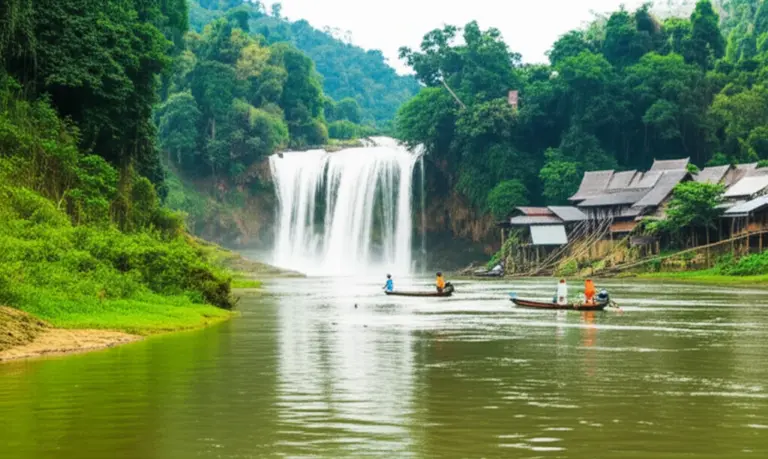
Rising high above the Mekong Valley, the Bolaven Plateau is a fertile region known globally for its high-quality Arabica and Robusta coffee. Renting a motorbike in Pakse and tackling the famous Bolaven Plateau Loop allows you to explore massive, thundering waterfalls like Tad Fane and Tad Yuang, while sampling freshly brewed coffee directly from the small family farms that cultivate it. This experience blends adventure sports with agricultural tourism, making it a unique highlight.
Echoes of History in Champasak
Just south of Pakse lies Champasak, the former royal capital of the region. Here, you can explore the atmospheric ruins of Wat Phu, a pre-Angkorian Khmer temple complex dating back to the 5th century. Designated a UNESCO World Heritage site, Wat Phu offers stunning architecture nestled against a sacred mountain, providing a vital historical counterpoint to the region’s natural wonders.
Planning Your Perfect Trip: When to Go
Timing your visit is crucial, as the climate in Southern Laos varies significantly between the wet and dry seasons. Understanding the best months ensures you maximize your enjoyment of the waterfalls and coffee tours.
The Dry Season Sweet Spot (October – April)
This is widely considered the best time to travel. Temperatures are warm but manageable, and the humidity is lower. The waterfalls, while slightly less voluminous than peak rainy season, are still impressive, and the roads on the Bolaven Plateau loop are dry and safe for motorbiking. This period coincides with major festivals.
The rainy season brings lush, vibrant green scenery, and the waterfalls reach their absolute peak power—an incredible sight! However, travel can be challenging. Roads, especially unpaved sections on the Plateau Loop, can become muddy and dangerous. Expect heavy, short downpours, usually in the afternoon.
The Ultimate 6-Day Southern Laos Itinerary Blueprint
Six days allows you to comfortably cover the three main pillars of Southern Laos: Pakse, the Plateau, and the Islands. This itinerary prioritizes efficient travel using private transport or domestic buses between major hubs, reserving motorbikes for specific exploration.
Days 1-2: Arrival in Pakse & The Coffee Discovery
Arrive at Pakse International Airport (PKZ). Spend Day 1 acclimatizing and exploring the city center, perhaps visiting the night market. Day 2 is dedicated to a short exploration of the northern edge of the Bolaven Plateau, focusing on nearby waterfalls like Tad Yuang, and visiting a reputable coffee plantation for a tour and tasting.
Days 3-4: Waterfalls and Heights on the Bolaven Plateau
Rent a reliable motorbike (or hire a driver) and commit to the Plateau Loop. Day 3 focuses on the massive Tad Fane and the adventure activities around Tad Yuang (zip-lining, canopy walks). Overnight near the loop for an early start on Day 4. Day 4 involves exploring smaller, local waterfalls and visiting ethnic minority villages, before returning to Pakse in the late afternoon to catch an overnight bus or a morning flight connection south.
To give you a visual taste of this incredible region, here is a quick look at the landscape:
Days 5-6: Island Life in Si Phan Don
Travel south from Pakse to Nakasang pier (approx. 3 hours) and take a longboat to Don Khone or Don Det (Day 5). These islands are car-free havens. Rent bicycles to explore the French railway bridge ruins and the Liphi Waterfalls. Day 6 is reserved for relaxation, sunset viewing over the Mekong, and perhaps a specialized boat trip searching for the Irrawaddy dolphins before heading back towards the mainland for onward travel.
Essential Travel Tips for Southern Laos
| Aspect | Recommendation |
|---|---|
| Currency | Lao Kip (LAK). ATMs are readily available in Pakse, but carry cash for island guesthouses and small villages. |
| Transport | For the Bolaven Loop, a reliable semi-automatic motorbike is best. Always wear a helmet and check fuel availability beforehand. |
| Language | Lao is the official language. English is spoken in tourist hubs, but learning basic Lao phrases is highly appreciated. |
คำถามที่พบบ่อย (FAQ)
Is Southern Laos safe for solo female travelers?
Yes, Southern Laos is generally very safe. Locals are welcoming. The main safety considerations relate to traffic when driving motorbikes on the Plateau Loop, rather than crime.
How long does it take to get from Pakse to the 4,000 Islands?
The journey from Pakse to the Nakasang pier (the main hub for islands) takes approximately 3 to 4 hours by local bus or minivan, followed by a 15-minute boat ride to the main islands.
Is the Bolaven Plateau Loop difficult to drive?
The main loop is mostly paved and manageable for experienced riders. However, side roads leading to specific waterfalls can be rough dirt tracks, requiring caution, especially during the wet season.
References
For more in-depth planning resources, please refer to official tourism board websites and established travel guides.
- Official Laos Tourism Portal
- UNESCO World Heritage Centre: Wat Phou and Associated Dwelling Ensembles
- Southern Laos Explorer: Ultimate 6-Day Itinerary for Pakse, Bolaven Plateau & Four Thousand Islands
- Day-by-Day Detailed Itinerary: Pakse City Highlights, Bolaven Waterfalls, Coffee Plantations, and Tad Fane/Tad Yuang Routes
- Practical Travel Tips: Getting There, Local Transport, Accommodation Options, Safety, Permits, and Budgeting for 6 Days