Choosing the Right Local Boat and Operator: Safety, Sustainability Practices, and Fair Pricing Tips
- Choosing the Right Local Boat and Operator: Safety, Sustainability Practices, and Fair Pricing Tips
Navigating the magnificent waterways of Laos, particularly the mighty Mekong River, is often the highlight of any traveler’s journey. Whether you are embarking on the famous slow boat from Huay Xai to Luang Prabang or seeking transport among the serene 4000 Islands, the quality and reliability of your vessel and crew are paramount. This guide is designed to empower you with the expert knowledge needed for choosing the right local boat and operator, ensuring your trip is not only scenic but safe, responsible, and fair in cost.
Pillar 1: Safety First – Vetting Your Vessel and Crew
Safety standards on local Lao transport can vary widely. As an experienced traveler, your primary responsibility is proactive vetting. Never assume that because a boat is operating, it meets international safety benchmarks. A reputable operator understands that trust is earned through visible commitment to safety protocols. Look beyond the initial appearance of the boat and inquire directly about operational standards.
Checking Licensing and Insurance Documentation
In many port towns, especially where tourism is high, operators are required to hold specific provincial or national licenses for passenger transport. While not always readily displayed, politely asking to see proof of current registration can signal to the operator that you are a discerning customer. Furthermore, inquire about liability insurance. While full international coverage may be rare, understanding the operator’s policy regarding passenger injury or major delays is crucial for risk assessment.
Assessing Onboard Safety Equipment (Life Vests, First Aid)
This is the most critical visual check. Every passenger must have access to a properly sized, certified life vest. A common red flag is seeing vests that are old, ripped, or stored in inaccessible locations. Count the vests—ensure there is one for every person on board, plus extras. Beyond flotation devices, check for basic first aid kits and functional bilge pumps, especially on older wooden vessels. The crew should also be able to clearly articulate where emergency gear is located.
Pillar 2: Embracing Sustainability in Lao River Travel
The Mekong and its tributaries are the lifeblood of Laos. Responsible tourism means supporting operators who actively work to preserve this vital ecosystem. Sustainable practices are no longer optional; they are a requirement for long-term ecological health.
Supporting Eco-Conscious Operators
Look for operators who prioritize local employment, use fuel-efficient engines where possible, or invest in modern, less polluting alternatives. Inquire about their commitment to local communities—do they source food locally? Do they employ guides trained in local ecology? Choosing an operator with demonstrated dedication to sustainable tourism enhances your experience while protecting the environment for future travelers.
Waste Management and Minimizing River Impact
Waste disposal is a significant challenge in remote river areas. A responsible operator will have clear policies for storing and disposing of trash onshore, rather than tossing it into the river. As a passenger, always carry out what you carry in. Selecting a company that provides reusable water bottles or encourages the use of personal containers is a strong indicator of environmental stewardship.
Pillar 3: Mastering Fair Pricing and Negotiation
Pricing in the Lao transport sector can be opaque, especially between local fares and tourist fares. Understanding the underlying economics helps in choosing the right local boat and operator while ensuring you pay a fair rate that supports the local economy without being exploited.
Understanding Local Rate Structures (Short vs. Long Haul)
For standard routes like the slow boat, prices are often set by local authorities or major ticketing agencies, meaning negotiation is minimal or non-existent. For private charters (e.g., short island hops in the south or private transfers near Luang Prabang), negotiation is expected. Always compare prices from at least two independent sources before agreeing to a private hire. Remember that a slightly higher price often correlates with better maintenance and better safety equipment.
When to Negotiate and When to Pay Set Fares
| Scenario | Negotiation Expected? | Fair Price Indicator |
|---|---|---|
| Slow Boat Ticket (Standard Route) | No (Set by Agency) | Price posted publicly or by multiple agencies. |
| Private Speedboat Charter | Yes (Up to 20%) | Based on fuel cost and distance; check local tour operators. |
| Short Taxi/Tuk-Tuk to Dock | Yes (Always) | Ask your guesthouse for a baseline estimate first. |
Visual Guide: Key Safety Checks Before Boarding
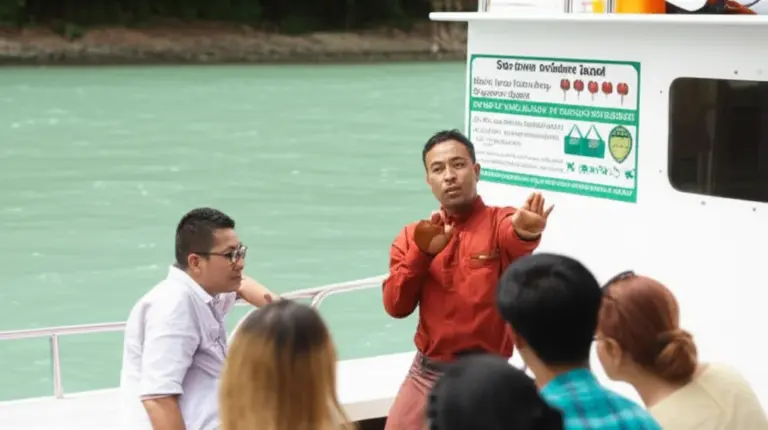
To solidify your understanding of physical safety checks, watching a demonstration is invaluable. This video provides excellent visual context for what to look for when assessing river transport preparedness in Laos.
The visual confirmation of safety gear placement, as shown above, is often more reassuring than a verbal assurance from an operator. Pay close attention to how the crew handles loading and securing cargo, as instability during transit is a major hazard.
Practical Tips for Common Lao Routes
While general principles apply everywhere, specific routes have unique considerations. For instance, the journey between Luang Prabang and the Thai border often involves navigating seasonal water levels. Always confirm the expected travel time with your chosen operator, as river conditions can drastically alter schedules. Always book through established local agencies or reputable guesthouses when possible, as they often have established relationships with safer, more reliable transport companies.
By integrating safety checks, prioritizing operators who value environmental stewardship, and understanding local pricing norms, you significantly improve your travel experience. Responsible choices ensure that the beauty of Laos’ waterways remains unspoiled and that your journey is memorable for all the right reasons. We hope these guidelines assist you in successfully choosing the right local boat and operator for your next Lao adventure.
คำถามที่พบบ่อย (FAQ)
Q: Are the slow boats in Laos safe for solo female travelers?
A: Generally, yes, the established slow boat routes are considered safe, especially when booking through official channels. Safety concerns usually revolve around comfort and adherence to capacity, rather than personal security, as these are communal tourist journeys.
Q: How much should I expect to pay for a private longtail boat charter in the 4000 Islands?
A: Prices vary based on distance and boat size, but expect to budget between 150,000 to 300,000 LAK for a short island-hopping trip. Always confirm the final price and route before boarding.
Q: What is the difference between a slow boat and a speedboat on the Mekong?
A: Slow boats take significantly longer (often 2 days for Huay Xai to Luang Prabang) and are more stable and relaxed. Speedboats are faster (around 8-10 hours for the same route) but are often bumpier, louder, and carry higher safety risks due to the speeds achieved in variable river conditions.
Q: Are there specific certifications I should look for regarding sustainability?
A: While formal international certifications are uncommon for small operators, look for local affiliations with recognized Lao eco-tourism boards or visible participation in community clean-up initiatives. Ask if they adhere to local environmental guidelines.
References
For further due diligence on river safety standards in Southeast Asia, consult resources provided by regional travel advisories. UK Foreign Travel Advice for Laos. Information regarding sustainable tourism benchmarks can often be found through regional eco-tourism initiatives.