Responsible On-Boat Behavior and Environmental Practices: Waste, Wildlife, and Cultural Respect Guidelines
- Responsible On-Boat Behavior and Environmental Practices: Waste, Wildlife, and Cultural Respect Guidelines
As tourism expands in Southeast Asia, the pressure on delicate riverine and lake ecosystems increases. Responsible behavior isn’t just about following rules; it’s about demonstrating cultural sensitivity and ecological awareness. Whether you are chartering a long-tail boat in Luang Prabang or cruising the wider Mekong, your actions directly impact local communities and biodiversity. Let us explore the tenets of expert, conscientious travel on the water.
Core Principles of Responsible On-Boat Behavior
Good boating ethics start long before you step onto the deck. Preparation ensures safety, efficiency, and minimal disturbance to the environment and other users of the waterway.
Safety First: Preparation and Conduct
Safety protocols are non-negotiable, especially on rivers that can have unpredictable currents or hidden hazards. Always heed the advice of your local captain or guide, as they possess invaluable regional knowledge.
- Life Jackets: Ensure every passenger, including children, has a properly fitting life jacket readily accessible. Do not wait for an emergency to familiarize yourself with its location.
- Speed Management: Observe posted speed limits, especially near villages, cultural sites, and known wildlife habitats. High speeds create dangerous wakes that can erode riverbanks or capsize smaller craft.
- Communication: Know the emergency channels or contact numbers provided by your tour operator. Keep mobile devices charged.
The Mekong River is the lifeblood of Laos. Treat it with the reverence it deserves. This involves understanding navigation rules and respecting sacred areas.
| Area of Concern | Best Practice |
|---|---|
| River Traffic | Yield to larger commercial vessels and traditional fishing boats. Maintain clear passing signals. |
| Shallow Areas | Never attempt to navigate unmarked shallows or sandbars, as this can damage the boat hull and disturb benthic habitats. |
| Cultural Sites | Approach temples (Wats) and historical landing spots quietly and respectfully, adhering to local mooring procedures. |
Environmental Stewardship: Protecting Laos’ Aquatic Ecosystems
Adopting rigorous **Responsible On-Boat Behavior and Environmental Practices** means leaving no trace. Pollution, whether visible or invisible, degrades the water quality upon which both wildlife and local communities depend.
Zero-Waste Boating: Managing Trash and Greywater
This is perhaps the most crucial element of responsible tourism. Everything you bring aboard must leave with you. Do not assume that waste can be safely discarded into the river or lake.
- Pack It In, Pack It Out: Carry durable, sealed bags for all trash (plastics, food wrappers, cigarette butts).
- Chemicals and Oils: Never drain engine oil, fuel, cleaning agents, or batteries overboard. If your vessel is chartered, confirm with the operator where they dispose of maintenance waste responsibly onshore.
- Greywater Management: Minimize the use of harsh soaps and detergents. If washing dishes or clothing, do so well away from sensitive swimming areas, using biodegradable products where possible.
Wildlife Interaction: Observing, Not Disturbing
Laos is home to diverse aquatic life, including rare freshwater dolphins in certain stretches of the Mekong. Maintaining distance is key to their survival.
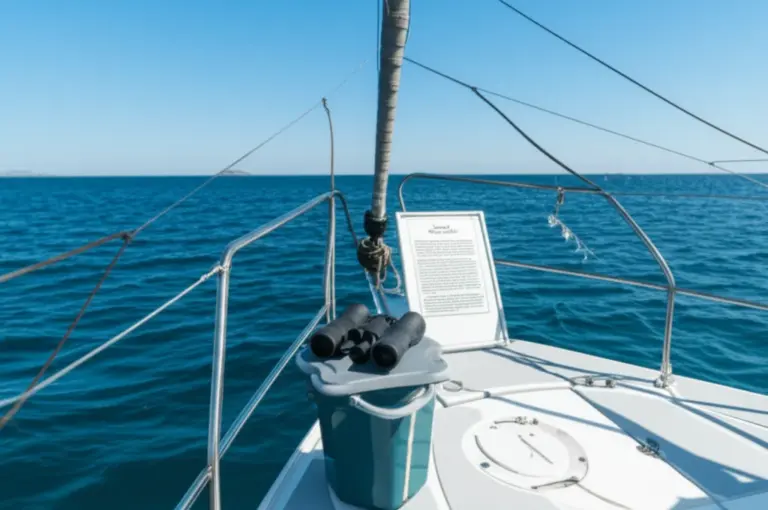
Never feed wild animals. Feeding disrupts their natural foraging behavior and can lead to dependency on humans or ingestion of harmful foreign objects. Maintain a respectful distance, use binoculars for viewing, and never attempt to touch or chase wildlife.
A Deeper Look at River Health
Understanding the fragility of the ecosystem helps reinforce responsible choices.
Cultural Respect and Local Engagement
Tourism in Laos is deeply intertwined with local culture. Your behavior on the water, especially when approaching riverside villages, reflects on all visitors.
Understanding Local Customs and Sacred Sites
When visiting riverside communities or approaching revered sites like Pak Ou Caves, remember that you are entering someone’s home and spiritual space. Always dress modestly (covering shoulders and knees) when disembarking, even if the captain assures you it is fine—err on the side of caution.
Economic Responsibility: Supporting Local Communities
Choose locally owned boat operators and support riverside vendors fairly. Negotiating prices is customary, but do so with a smile and respect. Avoid aggressive bargaining that devalues the local craft or service. By spending money thoughtfully, you contribute directly to the economic sustainability of these river-dependent communities. Seek information about ethical tour operators through reputable sources, such as the Official Laos Tourism Portal.
Essential Gear and Emergency Preparedness
Even short trips require preparedness. Expertise in what to carry can transform a potential crisis into a minor inconvenience. Always carry necessary personal medications and sufficient drinking water, preferably in reusable containers to reduce plastic waste.
Conclusion: Becoming an Ambassador for Sustainable Laos Tourism
Embracing Responsible On-Boat Behavior and Environmental Practices elevates your travel experience from mere sightseeing to meaningful engagement. Laos offers unparalleled natural beauty; protecting it requires diligent adherence to these guidelines. By acting as an informed and respectful traveler, you become a powerful ambassador for sustainable tourism, ensuring the rivers remain healthy and welcoming for all who visit.