Best Ethical Elephant Encounters in Laos for Responsible Travelers
Laos, known as the ‘Land of a Million Elephants,’ has a deep, spiritual connection with these majestic creatures. However, as the global demand for sustainable and conscious tourism grows, travelers are increasingly seeking the Best Ethical Elephant Encounters in Laos for Responsible Travelers. Moving away from exploitative practices like riding or performing shows, ethical tourism focuses on observation, conservation, and the welfare of the elephants. This guide explores how you can connect with Laos’s elephant population in a way that respects their nature and supports their long-term survival.
The Shift Towards Ethical Elephant Tourism in Laos
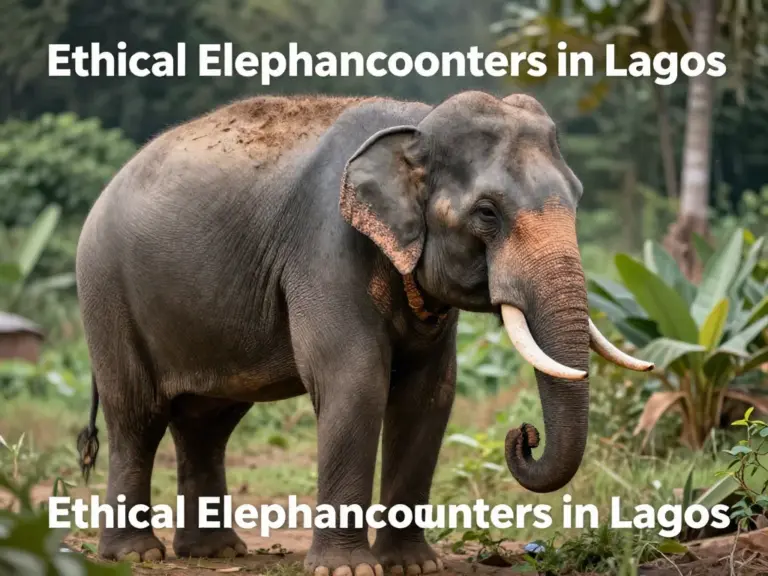
For years, elephant tourism in Southeast Asia was dominated by activities that prioritized tourist entertainment over animal well-being. Fortunately, a significant shift has occurred. Today, the most reputable sanctuaries in Luang Prabang and beyond prioritize ‘hands-off’ experiences. This means no riding, no bathing with elephants (which can be stressful for them), and no performances. Instead, you are invited to observe elephants in their natural habitat, foraging, socializing, and interacting with their herd as nature intended. Ethical tourism is not just about what you don’t do; it is about actively funding conservation efforts that protect these gentle giants from habitat loss and poaching.
Top Sanctuaries for Ethical Encounters
| Sanctuary Name | Focus Area | Key Ethical Practice |
|---|---|---|
| Elephant Conservation Center (ECC) | Sayaboury | Rehabilitation & Breeding |
| Mandalao Elephant Conservation | Luang Prabang | Observation-only tours |
| MandaLao Sanctuary | Luang Prabang | Forest trekking |
When searching for the Best Ethical Elephant Encounters in Laos for Responsible Travelers, you must look for facilities that allow elephants to live in large, free-roaming enclosures. The Elephant Conservation Center (ECC) in Sayaboury is widely considered the gold standard. They run a comprehensive program that includes veterinary care, socialization, and even a breeding program to ensure the survival of the species in the region. Similarly, Mandalao in Luang Prabang offers a unique trekking experience where you walk alongside the elephants through the jungle, observing their natural behaviors without intrusion.
How to Identify a Truly Ethical Sanctuary
Not all places that call themselves ‘sanctuaries’ are truly ethical. To ensure your visit supports the right mission, look for the following signs:
- No Riding: Elephants are not biologically built to carry humans on their backs.
- No Performances: Tricks and shows require abusive training methods.
- Hands-Off Policy: The best experiences involve observing from a respectful distance rather than touching or washing the animals.
- Transparency: The sanctuary should be open about where their elephants come from and how they are cared for.
คำถามที่พบบ่อย (FAQ)
What is the most ethical way to see elephants in Laos?
The most ethical way is to visit a certified sanctuary that practices ‘no-ride’ and ‘observation-only’ policies. Facilities like the Elephant Conservation Center allow you to watch elephants in their natural habitat, ensuring they are not forced to interact with humans.
Why should I avoid elephant riding in Laos?
Elephant riding is harmful because it requires a process called ‘breaking’ the spirit of the animal. Furthermore, an elephant’s spine is not designed to support the weight of a howdah and passengers, which can cause long-term physical damage.
Is bathing with elephants ethical?
Most experts now agree that bathing with elephants is stressful for them. It forces the animals to remain in the water when they might prefer to be elsewhere, and it disrupts their natural social interactions. It is better to watch them bathe themselves from a distance.
How can I support elephant conservation in Laos?
You can support conservation by visiting accredited sanctuaries, donating directly to wildlife protection organizations, and spreading awareness about the importance of ethical, non-exploitative tourism.