How to Spot True No-Ride Sanctuaries and Avoid Tourist Traps
Travelers visiting Southeast Asia, particularly Laos, are increasingly conscious of the impact their choices have on wildlife. When planning your itinerary, learning How to Spot True No-Ride Sanctuaries and Avoid Tourist Traps is essential for ensuring your travel dollars support genuine conservation rather than exploitation. Ethical elephant tourism is gaining traction, but the lines between a true sanctuary and a marketing gimmick can often be blurred.
The Red Flags of Tourist Traps
Before booking an elephant experience, look for warning signs that indicate the facility is prioritizing profit over welfare. The most obvious red flag is the presence of “mahouts” carrying bullhooks or using physical dominance to control the animals. Additionally, if the elephants are chained for long periods or forced to perform tricks, such as painting, dancing, or playing soccer, you are likely at a tourist trap, not a sanctuary.
Identifying Ethical No-Ride Sanctuaries
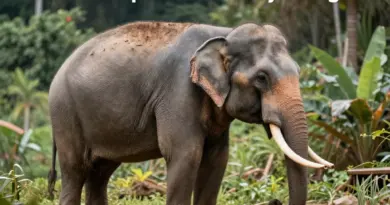
Authentic sanctuaries in Laos operate with a “hands-off” approach. This means the animals are given the freedom to roam through protected forests, forage for their own food, and socialize with other elephants without human interference. Observe how the staff interacts with the animals; they should be observing from a distance rather than forcing the elephants to interact with guests.
Key Characteristics of Genuine Conservation Projects:
- No Riding: Elephants are never ridden.
- Natural Behavior: Animals are allowed to engage in dust bathing, swimming, and foraging.
- Education First: The facility focuses on educating visitors about the threats elephants face, such as habitat loss.
- Transparency: They are open about where their rescued elephants come from and how they are funded.
Why Your Choice Matters in Laos
Laos, known as the Land of a Million Elephants, has seen a drastic decline in its wild elephant population. By choosing to support ethical, no-ride sanctuaries, you are directly contributing to the preservation of the species. When you visit these sites, your entry fees often go toward veterinary care, land lease costs, and the salaries of former mahouts who have transitioned to non-exploitative roles. Making an informed decision is a powerful form of activism for wildlife conservation.
คำถามที่พบบ่อย (FAQ)
Q: Is it ever okay to touch an elephant at a sanctuary?
A: Most reputable sanctuaries now enforce a strict no-touch policy. While some older rescue centers may allow feeding, the gold standard is observation only to prevent the habituation of the animals to humans.
Q: How do I know if a sanctuary is truly ‘ethical’?
A: Check for third-party certifications or recommendations from reputable animal welfare organizations. Avoid facilities that offer tricks, shows, or riding.
Q: Why are elephants still being ridden in some places?
A: Often, it is a combination of traditional practices and the economic pressure to cater to tourists who are unaware of the welfare implications.