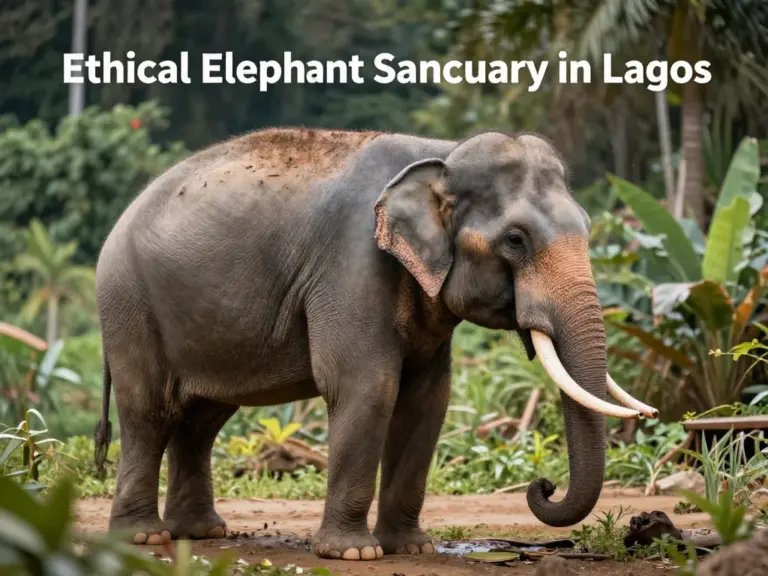
What Makes an Elephant Sanctuary Ethical in Laos?
For many travelers, seeing an elephant up close is a bucket-list experience. However, as awareness regarding animal welfare grows, the question of What Makes an Elephant Sanctuary Ethical in Laos? has become paramount. With the rise of ecotourism in Southeast Asia, distinguishing between genuine sanctuaries and exploitative operations is essential for responsible travelers. Laos, known as the ‘Land of a Million Elephants,’ holds a cultural legacy deeply intertwined with these gentle giants, and it is our collective responsibility to ensure that tourism supports, rather than hinders, their well-being.
The Definition of Ethical Elephant Conservation
An ethical elephant sanctuary is fundamentally defined by a ‘hands-off’ approach. This means prioritizing the natural behavior of the animals over human entertainment. True sanctuaries in Laos focus on rehabilitation, retirement, and protection. They do not force elephants to perform tricks, offer rides, or participate in bathing sessions where crowds of tourists constantly surround the animal. Instead, these organizations create environments where elephants can socialize, forage, and roam freely within protected, expansive forested areas.
Warning Signs to Avoid
If a tour operator guarantees you will be able to ride an elephant, force them to perform shows, or allows constant physical contact with large groups of tourists, it is likely not an ethical sanctuary. These activities cause immense stress and physical harm to elephants.
Key Indicators of Ethical Practices
When evaluating What Makes an Elephant Sanctuary Ethical in Laos?, look for transparency and specific operational standards. Ethical sanctuaries are often transparent about their funding, their conservation goals, and the medical history of their residents. They work closely with local mahouts (elephant caretakers) to ensure that traditional knowledge is combined with modern welfare science.
1. No Riding or Performance
The most significant indicator is the absence of riding. Riding requires ‘breaking’ the elephant’s spirit, a process that is inherently cruel. Ethical sanctuaries allow visitors to observe elephants from a respectful distance or during natural activities like walking in the forest, ensuring the animals remain in control of their interactions.
2. Natural Habitat and Socialization
Elephants are highly social, intelligent creatures. An ethical facility provides vast, forested acreage where they can form herds, socialize, and engage in natural foraging behaviors. The sanctuary should function as a retirement home for former working elephants, allowing them to live out their lives in peace.
The Role of Community and Sustainability
True conservation in Laos cannot exist in a vacuum. It must engage with local communities. Ethical sanctuaries often employ former logging camp mahouts, providing them with alternative livelihoods that do not involve exploiting their elephants. This shift is crucial for the long-term sustainability of the species in Laos. By supporting these sanctuaries, you are directly investing in a model that values animal life over industrial exploitation.
| Criteria | Ethical Practice | Unethical Practice |
|---|---|---|
| Riding | Strictly Prohibited | Encouraged/Offered |
| Interaction | Observation Only | Bath/Feed/Touch |
| Habitat | Expansive Forest | Small Enclosures |
คำถามที่พบบ่อย (FAQ)
Q: Can I bathe with the elephants at an ethical sanctuary?
A: Generally, no. In true sanctuaries, elephants bathe themselves in rivers or mud pools. Bathing with tourists is often stressful and can lead to skin issues for the elephants.
Q: How can I identify a fake sanctuary?
A: Look for red flags like elephant shows, painting performances, or ‘ride-on’ packages. If the marketing focuses on ‘fun’ rather than ‘conservation,’ be skeptical.
Q: Is it okay to feed the elephants?
A: At ethical sanctuaries, feeding is usually done from a designated platform or by trained staff to maintain the animals’ wild instincts and prevent dependency on humans.