How to Choose the Best Vang Vieng Rock Climbing Guide Service
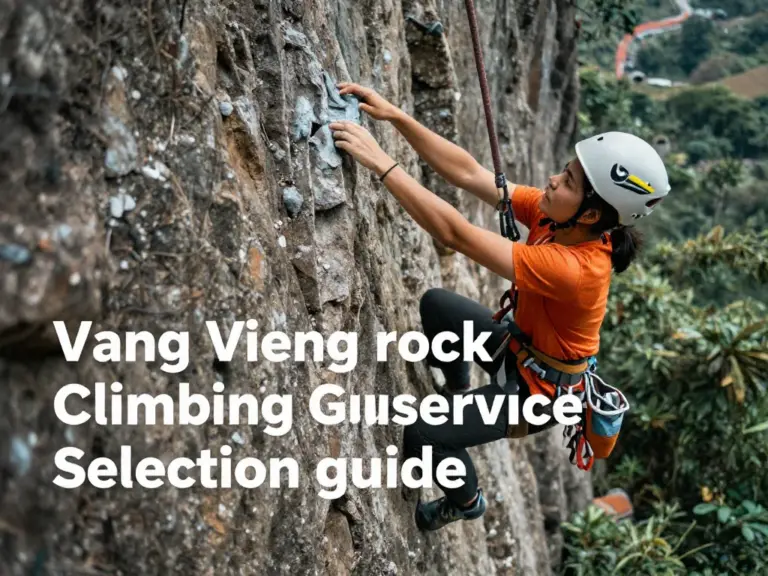
Vang Vieng, once known primarily for its river parties, has transformed into a premier destination for outdoor enthusiasts in Southeast Asia. The stunning limestone karsts that dominate the landscape offer some of the most spectacular climbing opportunities in the region. If you are planning an adventure, knowing How to Choose the Best Vang Vieng Rock Climbing Guide Service is paramount to ensuring both your safety and enjoyment. With various operators available, discerning which one aligns with international safety standards is essential for a worry-free vertical experience.
Why Professional Guidance Matters in Vang Vieng
Rock climbing is an inherently technical sport. While the limestone in Vang Vieng is world-class, the environment can be unpredictable. Professional guide services provide more than just equipment rental; they offer local expertise, route knowledge, and critical safety management. A reputable service will assess your skill level, match you with the appropriate crags, and manage the logistics of climbing in a tropical climate. Attempting to climb without a guide, or with an unqualified operator, risks exposure to poorly maintained routes and inadequate safety protocols.
Key Factors to Evaluate When Selecting a Guide
When researching, look beyond the price tag. Your life is in the hands of your belayer and your equipment. Here is a checklist to help you evaluate potential services:
- Safety Standards & Certifications: Do the guides hold recognized certifications (such as UIAA or AMGA)? Ask about their safety protocols, including how they handle emergencies.
- Equipment Quality: Are the ropes, harnesses, and hardware regularly inspected? A professional service will be transparent about their gear maintenance schedule.
- Local Knowledge: The best guides know the specific nuances of Vang Vieng’s rock—where the loose rock is, which walls are shaded during the afternoon, and how to navigate the approach trails.
- Client Reviews: Look for consistent feedback on platforms like TripAdvisor or Google Maps. Pay attention to comments regarding instruction quality and patience, especially if you are a beginner.
Understanding the Climbing Terrain
Vang Vieng is famous for its karst formations, which offer a variety of difficulty levels. Whether you are a total novice looking to try top-roping for the first time or an experienced lead climber seeking challenging sport routes, the right guide service will tailor the experience to your needs. They will have access to exclusive or well-maintained crags that are not necessarily crowded, ensuring you get the most out of your climbing day.
| Service Feature | What to Look For |
|---|---|
| Instruction | Clear communication and patient teaching styles. |
| Logistics | Transport to/from crags and water/snack provision. |
| Group Size | Small ratios (usually 1:2 or 1:4) for better safety and attention. |
Preparation for Your Climbing Trip
Before you head out, ensure you are physically prepared. Climbing in Laos can be hot and humid. A good guide service will advise you on the best times of day to climb—typically early morning or late afternoon—to avoid the peak heat. They will also provide guidance on appropriate clothing and hydration strategies. Communicating your experience honestly with your guide before you start is crucial; it allows them to adjust the itinerary and ensure everyone in the group remains safe and challenged at the right level.
คำถามที่พบบ่อย (FAQ)
1. Is it safe to climb in Vang Vieng?
Yes, provided you choose a reputable guide service that adheres to international safety standards and uses well-maintained, certified climbing equipment.
2. Do I need to bring my own climbing shoes?
Most professional guide services in Vang Vieng provide rental shoes, harnesses, and helmets. However, if you are an experienced climber, bringing your own shoes is recommended for a better fit.
3. Can beginners go rock climbing in Vang Vieng?
Absolutely. Many guide services cater specifically to beginners and offer introductory courses that teach basic knots, belaying, and movement techniques.
4. What is the best time of year for climbing?
The dry season, from November to March, offers the most pleasant weather conditions for climbing, with cooler temperatures and minimal rainfall.