Voluntourism in Laos: How to Support Communities Ethically and Avoid Unintended Harm
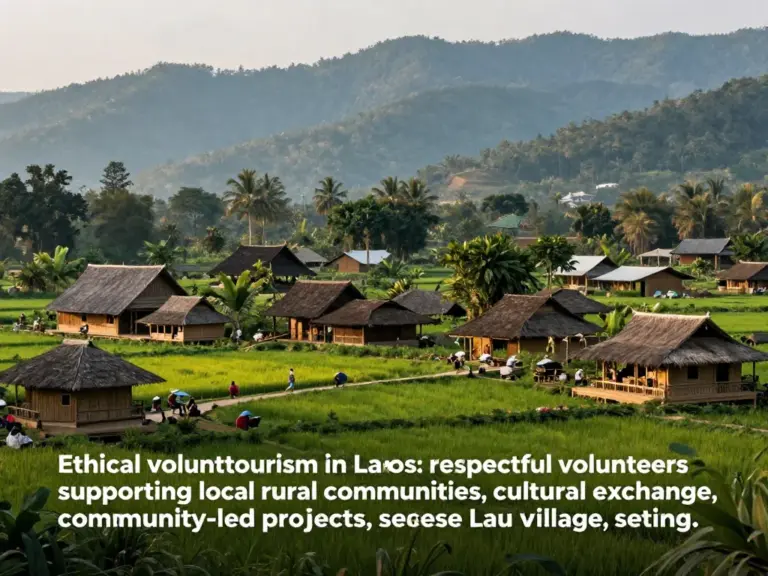
Laos, known for its stunning limestone karsts and the tranquil flow of the Mekong, has become a popular destination for travelers looking to ‘give back.’ However, the rise of voluntourism in Laos brings a complex set of ethical challenges. While the intention to help is noble, poorly managed projects can inadvertently disrupt local economies, foster dependency, or even exploit the very people they aim to assist. This guide explores how to navigate the landscape of volunteering in the Land of a Million Elephants with sensitivity and long-term impact in mind.
Understanding the Risks of Unethical Voluntourism
One of the primary concerns with voluntourism in Laos is the ‘orphanage tourism’ industry. In many cases, children in these facilities are not actually orphans but come from poor families who believe their children will have a better education there. Research has shown that constant rotation of short-term volunteers can cause attachment disorders in children. Furthermore, unskilled volunteers taking on construction jobs can take away paid work from local laborers, damaging the local economy.
How to Choose an Ethical Project in Laos
To ensure your contribution is positive, you must perform due diligence. Look for organizations that are transparent about their finances and have a long-term presence in the community. Ethical projects usually prioritize skill-sharing over manual labor. If you are a trained teacher or healthcare professional, your skills are valuable; if you are not, consider projects focused on environmental conservation or supporting local social enterprises through patronage.
- Transparency: Does the NGO publish annual reports?
- Community-Led: Are local leaders making the decisions?
- Child Protection: Do they have a strict child protection policy?
- Sustainability: Will the project continue after volunteers leave?
Best Practices for Ethical Engagement
When participating in voluntourism in Laos, your attitude matters as much as your actions. Respecting Lao culture—such as dressing modestly (covering shoulders and knees) and understanding the concept of ‘saving face’—is crucial. Avoid taking photos of vulnerable people, especially children, without explicit consent. Instead of bringing gifts like candy or plastic toys, which can cause health issues or environmental waste, donate to a local school fund or buy supplies from local markets to support the local economy.
| Action | Ethical Impact |
|---|---|
| Buying Local Crafts | Supports traditional livelihoods and economic independence. |
| Short-term Teaching (Unqualified) | Can disrupt learning consistency for students. |
| Wildlife Conservation (Sanctuaries) | Protects endangered species like the Asian Elephant responsibly. |
| Giving Money to Beggars | Can encourage a cycle of poverty and discourage school attendance. |
Alternatives to Traditional Voluntourism
Sometimes, the best way to support Laos is simply to be a responsible tourist. Stay in community-based guesthouses, eat at social enterprise restaurants like ‘Khaiphaen’ in Luang Prabang, and hire local guides for treks. This ensures that the money you spend goes directly into the hands of the community members without the potential negative side effects of poorly structured volunteer programs.
คำถามที่พ่อยบ่อย (FAQ)
Is it better to donate money or my time in Laos?
In many cases, donating money to a reputable local NGO is more effective than volunteering. Financial resources allow organizations to hire local staff, buy local materials, and address specific, immediate needs that an outsider might not recognize.
Are there any safe orphanages to visit in Laos?
Leading child protection organizations advise against visiting orphanages. It is better to support community-based programs that help keep families together and provide education within the village structure.
What skills are most needed for volunteering in Laos?
Specialized skills such as medical training, veterinary science, sustainable agriculture, and advanced English teacher training are highly valued. Always ensure your qualifications match the needs of the project.
How can I tell if a wildlife sanctuary is ethical?
An ethical sanctuary will not allow ‘hands-on’ interaction like riding or bathing animals. They should focus on rehabilitation, observation, and providing a natural habitat for the animals.
References
ChildSafe Movement – Protecting Children in Tourism
Rethink Orphanages – Better Solutions for Children
- Why people choose voluntourism in Laos and what ethical principles should guide responsible volunteer travel
- How to evaluate and choose reputable programs in Laos that prioritize community needs and sustainable impact
- Best practices for volunteers on the ground: cultural sensitivity, skills-matching, and minimizing dependency