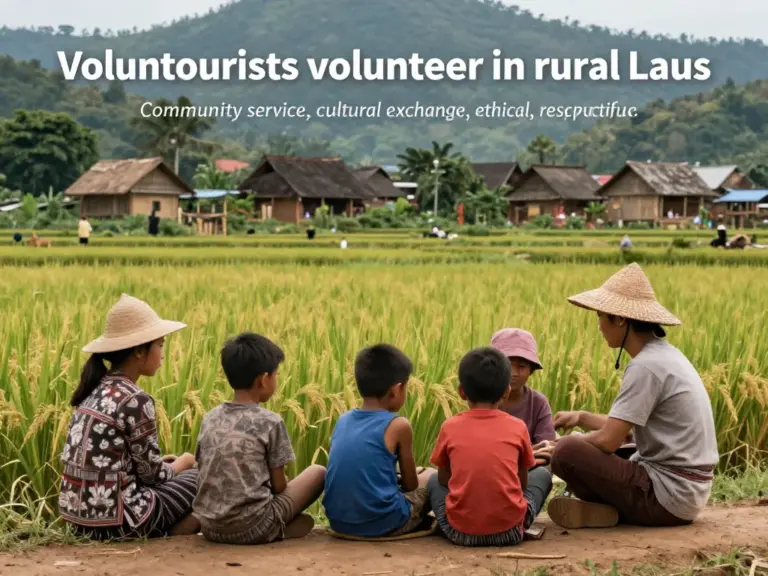
Why people choose voluntourism in Laos and what ethical principles should guide responsible volunteer travel
- Why people choose voluntourism in Laos and what ethical principles should guide responsible volunteer travel
- The Growing Appeal of Voluntourism in Laos
- Ethical Dilemmas in Volunteer Travel
- Core Ethical Principles for Responsible Voluntourism in Laos
- How to Choose a Responsible Program in Laos
- คำถามที่พบบ่อย (FAQ)
- Is voluntourism in Laos actually helpful for the community?
- Why is orphanage volunteering discouraged in Laos?
- What skills are most needed for volunteering in Laos?
- Do I need a special visa to volunteer in Laos?
Voluntourism in Laos has emerged as a significant trend within the broader Southeast Asian travel landscape. As a landlocked nation known for its stunning limestone karsts, serene Buddhist traditions, and the winding Mekong River, Laos attracts thousands of travelers who want to do more than just take photos. They seek a deeper connection with the local culture and a chance to contribute to the country’s development. However, the rise of volunteer travel brings a complex set of challenges. Understanding the motivations behind this choice and the ethical frameworks required to ensure positive outcomes is crucial for any responsible traveler.
The Growing Appeal of Voluntourism in Laos
Why is voluntourism in Laos so popular? For many, it is the desire for authentic cultural immersion. Unlike traditional tourism, volunteering allows individuals to live within communities, eat local food, and participate in daily rituals that are often inaccessible to the average backpacker. Laos, with its slower pace of life and deeply ingrained hospitality, offers a unique environment for those looking to ‘slow down’ while giving back.
Furthermore, the ‘Land of a Million Elephants’ provides specific niches for volunteers, particularly in animal welfare. Organizations working with rescued Asian elephants allow volunteers to contribute to the preservation of a species deeply tied to the Lao national identity. This combination of exotic location, meaningful work, and personal growth makes Laos a top destination for those practicing voluntourism.
Ethical Dilemmas in Volunteer Travel
Despite good intentions, voluntourism in Laos is not without its critics. One of the primary concerns is the ‘white savior’ complex, where volunteers may inadvertently view local communities as helpless rather than as active partners in their own development. There is also the risk of ‘poverty tourism,’ where the struggles of local people become a backdrop for a volunteer’s self-discovery.
The most pressing ethical issue often revolves around orphanage tourism. In many cases, children in Lao orphanages are not actually orphans but come from poor families who believe their children will have a better future in these institutions. High turnover rates of short-term volunteers can cause attachment issues and psychological distress for children. It is vital that travelers recognize these nuances before signing up for a program.
Core Ethical Principles for Responsible Voluntourism in Laos
To ensure that your efforts contribute to long-term sustainability, several ethical principles should guide your journey. These principles prioritize the needs of the host community over the desires of the traveler.
- Sustainability and Local Ownership: Projects should be community-led. Ask if the project will continue to function after you leave. The goal should be to empower locals, not to make them dependent on foreign aid.
- Skill-Matching: Only volunteer for tasks you are qualified to do in your home country. If you aren’t a builder, you shouldn’t be building a school in a rural Lao village. Professional tasks should be left to professionals.
- Transparency and Vetting: Research the organization thoroughly. Where does the money go? Does the NGO have a clear child protection policy? Are they registered with the Lao government?
- Long-term Commitment: Short-term volunteering (less than a month) often creates more work for locals than it provides benefit. Consider longer placements to truly understand the context and contribute effectively.
How to Choose a Responsible Program in Laos
When selecting a program for voluntourism in Laos, look for organizations that focus on capacity building. For example, instead of teaching English directly to children, look for programs that train local teachers. This creates a ripple effect that benefits the community for years to come.
| Factor | Responsible Approach | Red Flag |
|---|---|---|
| Primary Focus | Community needs | Volunteer experience/photos |
| Child Interaction | Strict protection policies | Unrestricted access to children |
| Financials | Transparent fee breakdown | Vague administrative costs |
| Local Impact | Uses local materials/labor | Imports all supplies/staff |
Finally, remember that being a responsible traveler in Laos also means respecting local customs. Dress modestly, learn a few phrases of the Lao language (like ‘Sabaidee’ for hello), and always ask for permission before taking photos of people or religious ceremonies. Your attitude as a guest is just as important as the work you perform.
คำถามที่พบบ่อย (FAQ)
References
- Lao National Tourism Administration Official Website
- Rethink Orphanages – Information on Ethical Volunteering
- Sustainable Tourism Resources for Southeast Asia
- Voluntourism in Laos: How to Support Communities Ethically and Avoid Unintended Harm
- How to evaluate and choose reputable programs in Laos that prioritize community needs and sustainable impact
- Best practices for volunteers on the ground: cultural sensitivity, skills-matching, and minimizing dependency