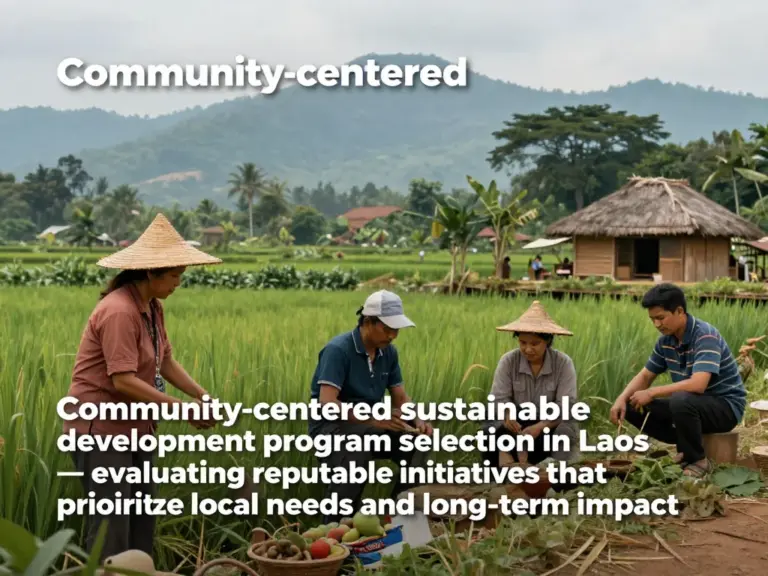
How to evaluate and choose reputable programs in Laos that prioritize community needs and sustainable impact
- How to evaluate and choose reputable programs in Laos that prioritize community needs and sustainable impact
As the demand for ethical travel grows, many travelers are seeking reputable programs in Laos that go beyond surface-level tourism. Whether it is volunteering, community-based tourism (CBT), or supporting social enterprises, the goal is to ensure that your presence contributes positively to the local ecosystem and economy. However, distinguishing between programs that truly empower locals and those that merely use ‘sustainability’ as a marketing buzzword requires a keen eye and a bit of research.
In this guide, we will explore the essential criteria for evaluating community-focused initiatives in the Lao PDR, ensuring your journey leaves a lasting, positive footprint on the ‘Land of a Million Elephants.’
Understanding the Landscape of Sustainable Tourism in Laos
Laos has made significant strides in promoting sustainable tourism, particularly through the development of the National Green Growth Strategy. The country focuses heavily on Community-Based Tourism (CBT), which allows ethnic groups and rural villages to manage their own tourism assets. When looking for reputable programs in Laos, you should first look for those that align with these national goals of poverty reduction and environmental conservation.
Key Indicators of Reputable Programs in Laos
To identify truly reputable programs in Laos, you must look for transparency and local leadership. A reputable program doesn’t just work *for* a community; it works *with* them. Here are the primary indicators:
- Local Ownership: Is the program managed or co-managed by Lao nationals? Programs led by locals are more likely to understand and prioritize actual community needs.
- Financial Transparency: Does the organization disclose where its funds go? High-quality programs are open about the percentage of revenue that stays within the local village.
- Long-term Commitment: Avoid ‘pop-up’ projects. Look for organizations that have been on the ground for several years and have established trust with provincial authorities.
Evaluating Community Needs and Local Participation
A common pitfall in international aid and tourism is the ‘top-down’ approach, where outsiders decide what a village needs (e.g., building a school when the real issue is clean water). Reputable programs conduct thorough needs assessments. They engage in ‘bottom-up’ planning where village elders and community members identify the priorities.
| Criteria | Good Sign | Red Flag |
|---|---|---|
| Decision Making | Village committee votes on projects | Organization decides without consultation |
| Skill Sharing | Training provided to local staff | Foreigners do all the skilled work |
| Cultural Respect | Orientation provided on Lao etiquette | No guidance on local customs or ‘Baci’ ceremonies |
Assessing Long-term Sustainable Impact
Sustainability is not just about the environment; it is about economic and social resilience. A program has a sustainable impact if it can eventually function without external intervention. For example, a reputable trekking program in Luang Namtha should train local guides so they can eventually run their own independent tours. In the context of reputable programs in Laos, look for those that invest in education and vocational training.
Red Flags to Avoid in Voluntourism
While intentions are often good, some programs can be harmful. In Laos, be particularly cautious of:
- Orphanage Tourism: Many reputable international bodies, including UNICEF, advise against visiting or volunteering in orphanages, as it can encourage the separation of families for profit.
- Unskilled Labor: If a program allows you to perform tasks you aren’t qualified for at home (like teaching or construction), it likely isn’t prioritizing quality or local employment.
- Lack of Child Protection Policies: Any organization working with vulnerable groups must have a clear, written code of conduct for visitors.
Top Examples of Ethical Initiatives in Laos
If you are looking for a starting point, several organizations have set the gold standard for being reputable programs in Laos:
- Free the Bears: An ethical sanctuary in Luang Prabang that works closely with the government to rescue bears and provide local employment.
- Ock Pop Tok: A social enterprise in the textiles industry that empowers Lao women through fair trade and traditional weaving.
- The Plain of Jars Archaeological Project: Sustainable heritage management that involves local communities in Phonsavan.
คำถามที่พบบ่อย (FAQ)
What does ‘Community-Based Tourism’ mean in Laos?
CBT in Laos refers to tourism initiatives that are owned and managed by the local community, ensuring that the benefits, both social and economic, stay within the village.
How can I verify if a program in Laos is legitimate?
Check if they are registered with the Lao Ministry of Information, Culture, and Tourism, and look for partnerships with established international NGOs like the ChildSafe Movement.
Is it better to donate money or items to Lao villages?
It is almost always better to donate to a reputable local organization or social enterprise that can purchase supplies locally, which supports the Lao economy and ensures the community gets exactly what they need.
Are there specific cultural norms I should follow when visiting these programs?
Yes, always dress modestly (covering shoulders and knees), ask permission before taking photos, and follow the ‘Lao PDR’ (Please Do Respect) guidelines regarding local etiquette.
References
- Lao Ministry of Information, Culture and Tourism Official Site
- ChildSafe Movement – Protecting Children in Tourism
- UNICEF Laos – Community and Child Welfare
- Voluntourism in Laos: How to Support Communities Ethically and Avoid Unintended Harm
- Why people choose voluntourism in Laos and what ethical principles should guide responsible volunteer travel
- Best practices for volunteers on the ground: cultural sensitivity, skills-matching, and minimizing dependency