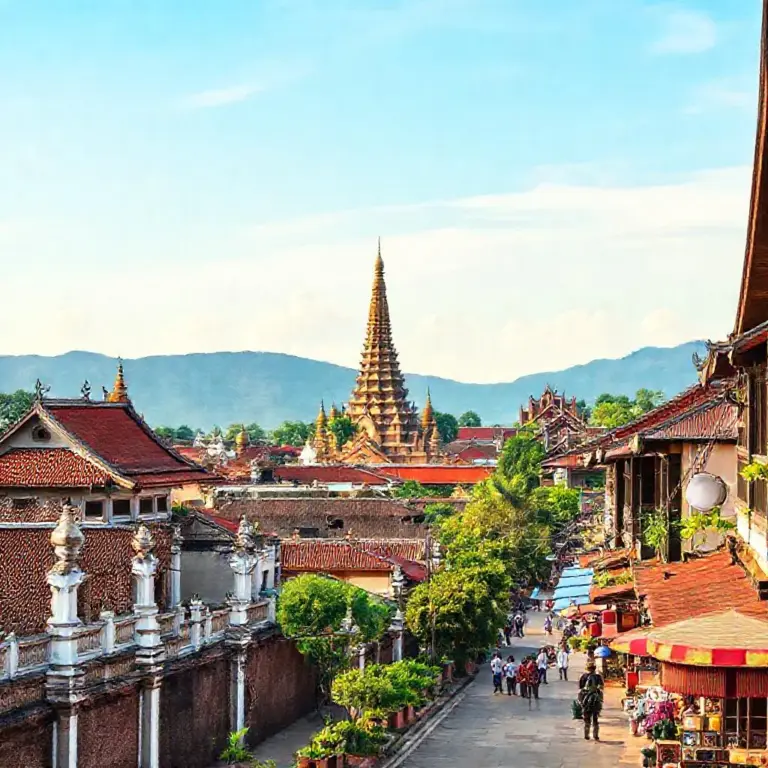
UNESCO Laos: A Heritage Trail Through Luang Prabang’s Old Town — Complete Visitor’s Guide and Walking Route
- UNESCO Laos: A Heritage Trail Through Luang Prabang’s Old Town — Complete Visitor’s Guide and Walking Route
- The Significance of Luang Prabang’s UNESCO Status
- Planning Your Heritage Trail: Essential Logistics
- The Definitive Luang Prabang Walking Route (The Heritage Trail)
- Experiencing Spiritual Traditions: Tak Bat Ceremony
- Beyond the Temples: Colonial Architecture and Local Life
- Preserving the Heritage: Responsible Tourism
- คำถามที่พบบ่อย (FAQ)
Welcome to Luang Prabang, the spiritual heart of Laos! This ancient capital, nestled at the confluence of the Mekong and Nam Khan rivers, is one of Southeast Asia’s most enchanting destinations. Designated a UNESCO World Heritage site in 1995, its preserved fusion of traditional Lao wooden architecture and French colonial structures offers a unique cultural immersion. If you are planning a trip, this **UNESCO Laos: A Heritage Trail Through Luang Prabang’s Old Town — Complete Visitor’s Guide and Walking Route** is your essential map to unlocking its timeless beauty. Discover more about Laos tourism today!
The Significance of Luang Prabang’s UNESCO Status
Luang Prabang’s designation by UNESCO is based on its exceptional architectural heritage and its role as a living, traditional town. It perfectly illustrates the gradual fusion of traditional Lao urban structures with buildings and town planning from the colonial era. Understanding this context enhances every step of your heritage trail.
A Tapestry of Cultures
The town’s unique charm lies in its architectural dialogue: the shimmering gold of Buddhist temples (Wats) standing beside faded, elegant French villas. This blend is remarkably well-preserved, making it a living museum of Southeast Asian history.
Planning Your Heritage Trail: Essential Logistics
The Old Town peninsula is compact and easily navigated on foot, which is why a guided walking route is the ultimate way to experience the key sites. Before you set out, here are a few critical logistical points to consider.
When to Visit & What to Wear
- Best Time: The cool, dry season (October to April) offers the most comfortable walking weather.
- Dress Code: When visiting temples, shoulders and knees must be covered. Always remove your shoes before entering a Wat.
- Footwear: Comfortable walking shoes are non-negotiable for exploring the historic streets.
The Heart of the Trail: Key Zones
The main historic area is contained within the peninsula bordered by the Mekong and Nam Khan rivers. Most major sites are within a 20-minute walk of each other.
The Definitive Luang Prabang Walking Route (The Heritage Trail)
This route is designed to be completed in one full day (approximately 5-7 hours, depending on time spent inside sites). It perfectly covers the essence of the **UNESCO Laos: A Heritage Trail Through Luang Prabang’s Old Town — Complete Visitor’s Guide and Walking Route**.
- Start Point: Royal Palace Museum (Haw Kham): Begin here to understand the history of the Lao monarchy that shaped this city. The architecture itself is a beautiful example of traditional Lao and French influences.
- Wat Xieng Thong (The Golden City Temple): A masterpiece of classical Lao temple architecture. Its sweeping roof that nearly touches the ground and the stunning Tree of Life mosaic on the rear wall are unmissable.
- Wat Mai Suwannapumaham: Situated close to the Royal Palace, this temple often serves as the primary residence for the most senior monks in Luang Prabang. Note the elaborate five-tiered roof.
- Phousi Hill (Mount Phousi): A necessary climb (around 300 steps) for panoramic views, especially stunning at sunset. At the summit lies Wat Chom Si.
- Mekong Riverfront & Night Market: As dusk approaches, stroll along the riverbank. Later, explore the famous Night Market, perfect for souvenir shopping and local snacks.
- Wat Aham: One of the oldest temples, historically associated with the city’s founding spirits. It features towering banyan trees on its grounds.
- Wat Visounarath: The oldest temple still standing in Luang Prabang, known for its unique, somewhat squat stupa that resembles a lotus bud.
- UXO Visitor Centre (Optional but Recommended): For a sobering look at Laos’ recent history, this center provides crucial context on the impact of unexploded ordnance (UXO).
Visualizing Your Journey
To help orient yourself, here is a map visualization of the central peninsula:
Experiencing Spiritual Traditions: Tak Bat Ceremony
No visit to Luang Prabang is complete without witnessing the daily Tak Bat (Morning Alms Giving). This deeply spiritual ritual involves hundreds of saffron-robed monks walking silently through the streets to collect sticky rice from devoted locals.
Etiquette for Observing Tak Bat
As a visitor, observation requires respect. Never use flash photography, do not block the monks’ path, and if you choose to participate by giving alms, do so quietly and respectfully, following local guidance.
Beyond the Temples: Colonial Architecture and Local Life
The beauty of exploring Luang Prabang is finding the quiet corners where colonial history meets contemporary Lao life. Look for the faded pastel colors of the former French residences, now often converted into boutique hotels or charming cafes.
Culinary Detours on Your Trail
Fuel your exploration with authentic Lao cuisine. Don’t miss trying Laap (minced meat salad), sticky rice, and the local specialty, Or Lam (a hearty stew). Many excellent eateries are located just off the main peninsula streets.
| Experience | Best Time | Notes |
|---|---|---|
| Tak Bat Ceremony | Sunrise (approx. 5:30 AM) | Observe from a distance; maintain silence. |
| Royal Palace Museum | Morning | Check opening hours; modest dress required. |
| Phousi Hill Sunset | Late Afternoon | Can get crowded; arrive early for a good spot. |
| Night Market | Evening (6 PM onwards) | Excellent for handicrafts and street food. |
Preserving the Heritage: Responsible Tourism
As stewards of this UNESCO site, responsible tourism is paramount. Support local artisans directly, minimize plastic use, and always respect the sacred nature of the temples and traditions you witness. Your mindful travel ensures this town remains pristine for generations to come.
คำถามที่พบบ่อย (FAQ)
Frequently Asked Questions About UNESCO Laos
1. How long does it take to walk the entire UNESCO Old Town circuit?
If you move briskly and only briefly stop at major sites, the core walking route can take about 4-5 hours. However, to truly appreciate the temples and museums, budget a full day (7-9 hours) including breaks.
2. Is there an entrance fee for the UNESCO area itself?
There is no single fee for walking through the UNESCO area. However, individual temples (Wats) and the Royal Palace Museum charge small entrance fees, usually ranging from 20,000 to 50,000 Lao Kip, which help fund their preservation.
3. Can I rent bicycles instead of walking the heritage trail?
Yes, bicycle rentals are widely available and are a great alternative for covering slightly more ground while still enjoying the atmosphere. However, be cautious of traffic near the main roads and remember to dismount when walking through temple grounds.
4. What is the best way to get to Luang Prabang?
Luang Prabang International Airport (LPQ) receives regional flights. Alternatively, for overland travelers, slow boats on the Mekong River offer a scenic, though lengthy, journey from the Thai border.
References
- History and Significance of Luang Prabang’s Old Town: UNESCO Inscription, Cultural Heritage, and Key Monuments
- Planning Your Visit: Best Times, Tickets, Tours, Accessibility, and Local Etiquette in Luang Prabang
- Self-Guided Walking Route: Detailed Heritage Trail Map, Landmark Descriptions, and Photo Stops in Old Town