Why Zero-Waste Travel Matters in Laos: Local Culture, Environmental Impact, and How to Prepare
- Why Zero-Waste Travel Matters in Laos: Local Culture, Environmental Impact, and How to Prepare
Laos, often referred to as the ‘Jewel of the Mekong,’ is a land of mist-covered mountains, ancient monasteries, and a slow pace of life that captivates every visitor. However, as laos Tourism continues to grow, the footprint left by travelers becomes more significant. Transitioning towards zero-waste travel is no longer just a niche trend; it is a vital necessity to preserve the pristine beauty and cultural integrity of this landlocked Southeast Asian nation.
The Environmental Impact of Tourism in Laos
The rapid increase in laos Tourism has brought economic benefits but also environmental challenges. Many remote areas in Laos lack the infrastructure for modern waste management. When plastic bottles, snack wrappers, and straws are discarded, they often end up in the Mekong River or are burned, releasing toxic fumes into the air. By adopting zero-waste habits, travelers can significantly reduce the pressure on local ecosystems, protecting the diverse flora and fauna that make Laos unique.
Connecting with Local Culture through Sustainability
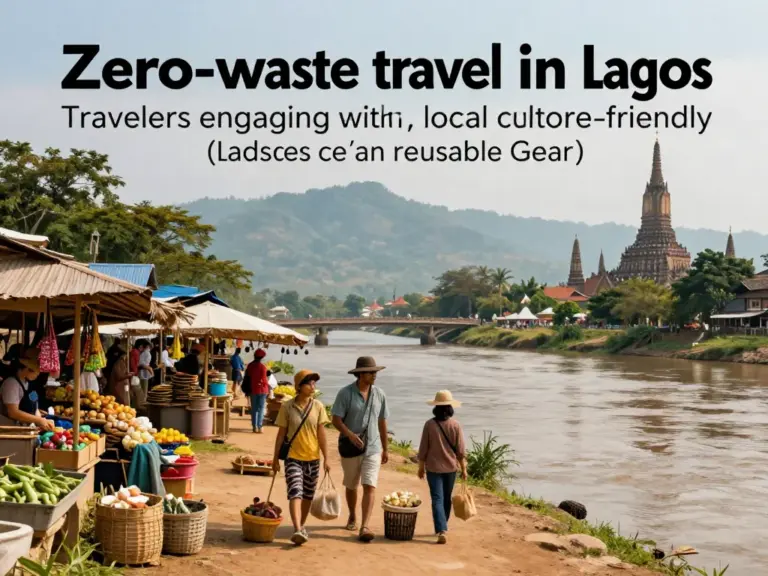
Lao culture is deeply rooted in a respect for nature. Traditional Lao life involved using organic materials—banana leaves for wrapping food, bamboo for construction, and hand-woven silk for clothing. Embracing zero-waste travel allows visitors to align themselves with these traditional values. When you choose a reusable bamboo straw or buy fresh fruit from a local market without a plastic bag, you are participating in a cultural exchange that honors the heritage of the Lao people.
How to Prepare for a Zero-Waste Trip to Laos
Preparation is the key to minimizing your waste while exploring the stunning landscapes of Vang Vieng or the historic streets of Luang Prabang. Here are essential steps to take before you fly:
- Pack a Reusable Water Bottle: Many guesthouses and cafes in Laos now offer ‘Refill Not Landfill’ stations.
- Bring Solid Toiletries: Shampoo bars and solid soaps eliminate the need for plastic bottles and are easier to carry.
- Tote Bags and Containers: Always have a small cloth bag ready for market finds and a collapsible container for street food.
Supporting Eco-Conscious Businesses
Your money is your vote. In the context of laos Tourism, choosing to stay at eco-lodges that use solar power and compost waste sends a strong message. Support social enterprises that train local youth in sustainable hospitality. These businesses often provide the most authentic experiences, connecting you directly with the community while ensuring your visit has a positive net impact.
| Item | Standard Choice | Zero-Waste Alternative |
|---|---|---|
| Water | Plastic Bottle | Reusable Filter Bottle |
| Shopping Bag | Plastic Bag | Cotton Tote Bag |
| Utensils | Disposable Plastic | Bamboo or Steel Set |
Conclusion
Zero-waste travel in Laos is more than just an environmental choice; it is a way to travel with intention and respect. By reducing our waste, we help ensure that the ‘Land of a Million Elephants’ remains a vibrant, healthy, and culturally rich destination for decades to come. As you plan your journey, remember that every small action contributes to the preservation of this extraordinary corner of the world.
คำถามที่พ่อยบ่อย (FAQ)
Is it easy to find drinking water refills in Laos?
Are there zero-waste markets in Laos?
How can I handle waste in remote areas of Laos?
References
- Zero-Waste Travel in Laos: Ultimate Guide to Markets, Refills, and Reusables
- Top Markets and Sustainable Shops in Laos: Where to Buy Refillables, Local Produce, and Eco-Friendly Goods
- Practical Packing and Reusables for Laos Trips: What to Bring, Buy Locally, and Tips for Minimizing Single-Use Waste