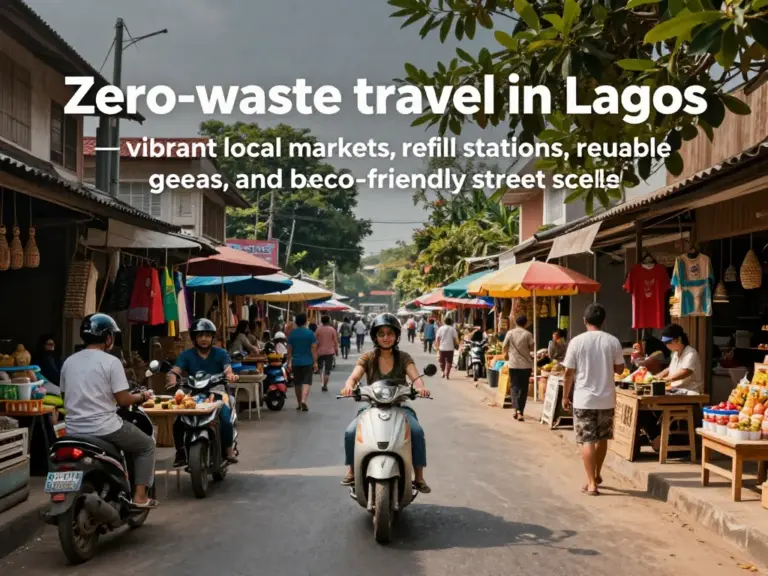
Zero-Waste Travel in Laos: Ultimate Guide to Markets, Refills, and Reusables
As the world turns its attention toward sustainability, Laos Tourism is evolving to meet the needs of the eco-conscious traveler. Nestled in the heart of Southeast Asia, Laos offers breathtaking landscapes, from the misty mountains of the north to the cascading waterfalls of the south. However, the influx of visitors brings the challenge of waste management. Zero-waste travel isn’t just a trend; it’s a vital practice to preserve the pristine beauty of the ‘Land of a Million Elephants.’ This guide will walk you through how to navigate Laos while minimizing your environmental footprint, focusing on local markets, refill networks, and essential reusables.
Why Sustainable Laos Tourism Matters
Laos is a landlocked nation with limited waste processing infrastructure. In many rural areas, plastic waste often ends up in the Mekong River or is burned, releasing harmful toxins into the air. By adopting zero-waste habits, you directly support the preservation of the ecosystems that make Laos Tourism so unique. From the UNESCO World Heritage site of Luang Prabang to the karst formations of Vang Vieng, every piece of plastic you refuse helps maintain the integrity of these cultural and natural treasures.
Local markets (Talat) are the heartbeat of Lao culture. Whether you are at the Morning Market in Vientiane or the Night Market in Luang Prabang, the temptation to use single-use plastic bags is high. However, Lao people have traditionally used organic materials like banana leaves for packaging. By bringing your own mesh bags or a lightweight tote, you can enjoy the vibrant atmosphere without the plastic guilt.
- Carry a collapsible silicone container for street food like ‘Khao Piak Sen’.
- Refuse plastic straws; most eco-cafes now provide bamboo or metal alternatives.
- Use a cloth bag for souvenirs and textiles to avoid the ubiquitous black plastic bags.
Refill Stations: Staying Hydrated Sustainably
Finding clean drinking water is a priority for any traveler. Fortunately, the ‘Refill My Bottle’ initiative has a strong presence in Laos. Many guesthouses, cafes, and tour operators offer water refill stations for a fraction of the cost of a new bottle—or even for free. This is a cornerstone of responsible Laos Tourism.
| City | Top Refill Locations | Eco-Friendly Feature |
|---|---|---|
| Luang Prabang | Big Brother Mouse, Saffron Coffee | Community Support |
| Vientiane | Common Grounds, Joma Bakery | Urban Convenience |
| Vang Vieng | Sa Sa Lao, Organic Farm | Farm-to-Table |
Eco-Friendly Accommodations and Hubs
Choosing where to stay is a major part of your zero-waste journey. Look for accommodations that have phased out single-use toiletries. Many boutique hotels in Laos now provide refillable ceramic dispensers for soap and shampoo. Places like ‘The Boat Landing’ in Luang Namtha or ‘La Folie Lodge’ on Don Daeng Island are pioneers in sustainable hospitality, often composting organic waste and using solar power.
Packing List for a Zero-Waste Laos Trip
Preparation is key. To successfully navigate Laos Tourism with a zero-waste mindset, your packing list should include:
- Insulated Water Bottle: Keeps water cold in the tropical heat.
- Bamboo Cutlery Set: Perfect for eating at night markets.
- Solid Toiletries: Shampoo bars and solid toothpaste save space and eliminate plastic bottles.
- Reusable Menstrual Products: Disposal of sanitary products is difficult in remote Lao villages.
คำถามที่พบบ่อย (FAQ)
References
- RefillMyBottle – Finding Water Stations in Southeast Asia
- Official Laos Tourism Portal
- Sustainable Travel International – Laos Case Studies
- Why Zero-Waste Travel Matters in Laos: Local Culture, Environmental Impact, and How to Prepare
- Top Markets and Sustainable Shops in Laos: Where to Buy Refillables, Local Produce, and Eco-Friendly Goods
- Practical Packing and Reusables for Laos Trips: What to Bring, Buy Locally, and Tips for Minimizing Single-Use Waste