What makes elephant shows harmful and why sanctuaries are a better alternative for responsible tourism in Laos
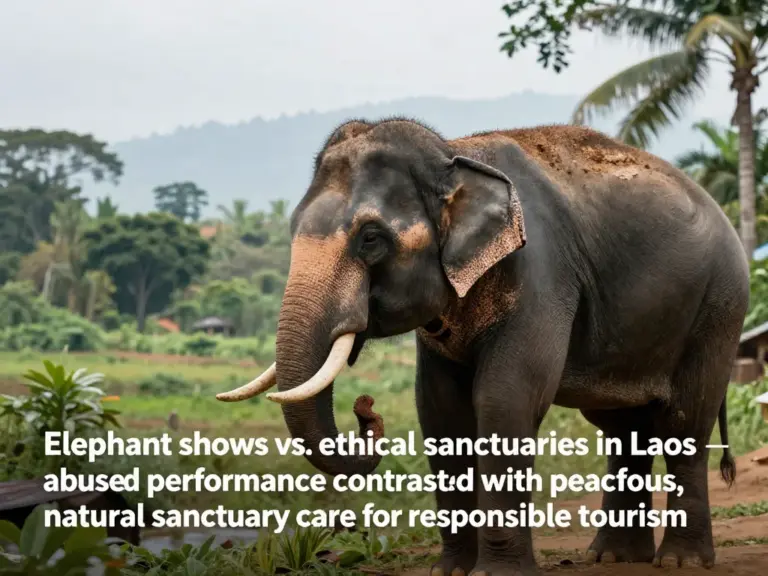
For decades, the image of an elephant carrying a tourist or performing tricks has been synonymous with Southeast Asian travel. In Laos, historically known as the ‘Land of a Million Elephants,’ these majestic creatures are deeply woven into the cultural fabric. However, as our understanding of animal sentience and welfare evolves, the dark reality behind these spectacles has come to light. Choosing ethical alternatives is now a cornerstone of responsible tourism in Laos, ensuring that these gentle giants live with the dignity they deserve.
The Hidden Cruelty of Elephant Shows
To the untrained eye, an elephant painting a picture or playing soccer might seem like a display of intelligence. However, these behaviors are entirely unnatural. The process of training an elephant to perform or interact closely with humans often involves a practice known as ‘Phajaan’ or ‘the crush.’ This traditional method involves breaking the animal’s spirit through isolation, sleep deprivation, and physical pain, often using a bullhook—a metal-tipped tool used to strike sensitive areas.
Beyond the initial training, the daily life of a performance elephant is one of constant stress. They are often kept in small enclosures, chained for long hours, and deprived of the complex social structures they naturally crave. These conditions lead to ‘stereotypic behavior’—repetitive swaying or head-bobbing—which is a clear sign of psychological distress.
Why Elephant Riding is Physically Damaging
A common misconception is that because elephants are large, they can easily carry humans. In reality, an elephant’s spine is not built to support the weight of a heavy wooden or metal chair (howdah) and multiple passengers. Over time, the weight of these chairs causes permanent spinal damage and skin sores. Furthermore, the hard surfaces they are often forced to walk on lead to foot infections and arthritis, which can be fatal for an animal of their size.
| Factor | Entertainment/Riding Camps | Ethical Sanctuaries |
|---|---|---|
| Training Method | Phajaan (The Crush) | Positive Reinforcement (if any) |
| Daily Activity | Performing tricks/Carrying loads | Foraging, bathing, socializing |
| Social Structure | Isolated or chained | Living in natural herds |
| Health Impact | Spinal damage, foot rot | Physical rehabilitation and care |
The Rise of Ethical Sanctuaries in Laos
Fortunately, the tide is turning. Ethical sanctuaries are emerging across Laos, offering a model for responsible tourism in Laos. A true sanctuary does not allow riding, performances, or any behavior that forces the elephant to act against its nature. Instead, these havens focus on ‘observation-based tourism.’ Visitors can watch elephants from a distance as they roam through forests, bathe in rivers, and interact with one another without human interference.
Places like the Elephant Conservation Center in Sayaboury and MandaLao in Luang Prabang are leading the way. These organizations focus on rescue, rehabilitation, and, where possible, rewilding. By visiting these sites, tourists provide the financial incentive for mahouts (elephant handlers) to move away from the exploitative entertainment industry and toward a sustainable, welfare-focused livelihood.
How to Identify a Genuine Sanctuary
With the rise of ‘greenwashing,’ many exploitative camps now call themselves ‘sanctuaries’ or ‘retirement homes’ while still offering rides or shows. To ensure you are supporting responsible tourism in Laos, look for these signs:
No riding or heavy chairs.
No bullhooks or visible chains.
No forced bathing (where tourists scrub elephants).
Limited human interaction to prioritize the animal’s comfort.
Conclusion: Choosing Compassion
Every ticket purchased for an elephant show or ride perpetuates a cycle of abuse. Conversely, every visit to a legitimate sanctuary funds the protection of a species on the brink of extinction. As a traveler, your choices have power. By opting for ethical encounters, you contribute to a future where elephants in Laos are respected as sentient beings rather than used as props for entertainment. This is the essence of responsible tourism in Laos—leaving a positive impact on the places and creatures we visit.
คำถามที่พบบ่อย (FAQ)
Q1: Why is elephant riding considered harmful?
A1: Elephant spines are not designed to carry weight. The heavy chairs and the weight of passengers cause long-term spinal injuries, while the training required to make elephants submissive enough to be ridden involves physical and psychological trauma.
Q2: What is ‘Phajaan’ and why is it used?
A2: Phajaan, or ‘the crush,’ is a traditional training method used to break an elephant’s spirit. It involves confining the elephant and using pain to ensure they follow human commands, which is necessary for shows and riding.
Q3: How can I tell if a sanctuary is truly ethical?
A3: A genuine ethical sanctuary will not allow riding, performances, or forced interactions. They focus on the elephant’s natural behavior and well-being rather than tourist entertainment.
Q4: Does avoiding elephant shows hurt the mahouts’ income?
A4: On the contrary, ethical sanctuaries provide mahouts with stable, fair employment that doesn’t involve harming animals. Supporting these sanctuaries helps transition the local economy toward sustainable tourism.
References
World Animal Protection: The Truth About Elephant Tourism
Elephant Conservation Center Laos
MandaLao Elephant Conservation
- Responsible Elephant Encounters in Laos: Why Sanctuaries Matter and How to Visit Ethically
- How to identify legitimate elephant sanctuaries in Laos: certifications, rescue stories, and red flags to avoid exploitation
- What to expect at an ethical elephant sanctuary: visitor activities, animal welfare standards, and guidelines for respectful interactions