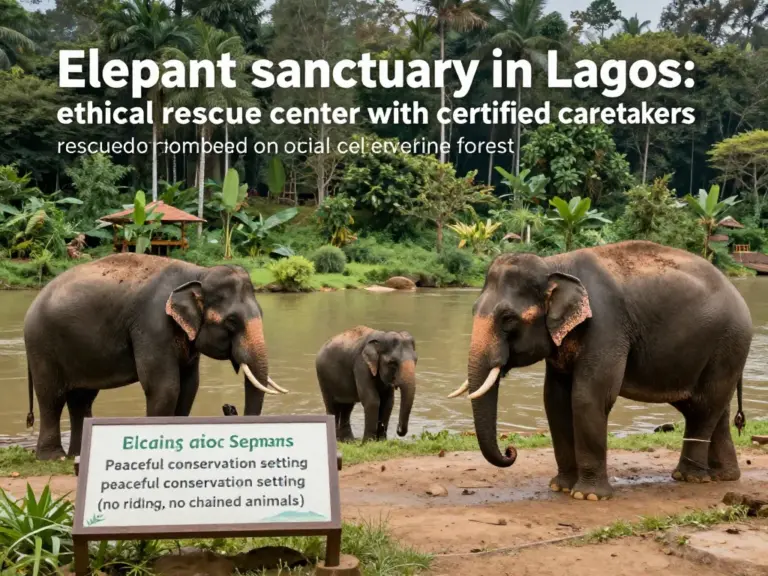
How to identify legitimate elephant sanctuaries in Laos: certifications, rescue stories, and red flags to avoid exploitation
- How to identify legitimate elephant sanctuaries in Laos: certifications, rescue stories, and red flags to avoid exploitation
For decades, the Asian elephant has been a symbol of Laos, the “Land of a Million Elephants.” However, as tourism has grown, so has the complexity of elephant welfare. Travelers today are increasingly seeking legitimate elephant sanctuaries in Laos to ensure their visit supports conservation rather than exploitation. Navigating the world of animal tourism requires a keen eye for detail, an understanding of international certifications, and a commitment to ethical practices.
The Importance of Certifications and Standards
When searching for legitimate elephant sanctuaries in Laos, certifications are your first line of defense against “greenwashing.” Look for organizations that are audited by third-party welfare groups. The most reputable certification currently available in Southeast Asia is ACES (Asian Captive Elephant Standards). This certification ensures that the facility meets strict criteria regarding veterinary care, nutrition, and the freedom of the animals to express natural behaviors.
Another indicator of legitimacy is a partnership with the Elephant Conservation Center (ECC) in Sayaboury. The ECC is a world-renowned facility that focuses on reproduction, socialization, and rewilding. Facilities that follow ECC protocols or are supported by international NGOs like WWF or PETA (in terms of guidelines) are generally more trustworthy.
Red Flags: How to Spot Exploitation
Identifying legitimate elephant sanctuaries in Laos often means knowing what to avoid. Exploitative venues often hide behind the word “sanctuary” or “orphanage” while continuing harmful practices. Be vigilant if you notice the following red flags:
- Elephant Riding: Any facility offering rides on the elephant’s back (with or without a chair/howdah) is not a true sanctuary. This causes long-term spinal damage and requires a “breaking” process for the animal.
- Shows and Tricks: If elephants are forced to paint, dance, or perform unnatural movements, they have likely undergone abusive training.
- Bullhooks and Chains: While some mahouts may carry a guide, the visible use of sharp bullhooks to strike animals or keeping them on short chains for long periods is a sign of poor welfare.
- Bathing with Elephants: While popular, many experts now argue that constant bathing with tourists is stressful for elephants and disrupts their natural social interactions.
Rescue Stories: The Path to Rehabilitation
The heart of legitimate elephant sanctuaries in Laos lies in their rescue stories. Many elephants in Laos have spent decades in the grueling logging industry or in traditional trekking camps. A true sanctuary will be transparent about the history of its residents. For example, many elephants at the Elephant Conservation Center were rescued from logging in Sayaboury, where they were overworked and underfed.
These stories of rehabilitation involve transitioning the elephant from a life of labor to a life of leisure. In a legitimate sanctuary, you will see elephants being elephants—foraging in the forest, socializing with other herd members, and receiving high-quality medical attention from dedicated veterinarians.
Top Ethical Sanctuaries to Consider in Laos
If you are planning a trip, here are a few locations known for their commitment to ethical standards:
| Sanctuary Name | Location | Focus |
|---|---|---|
| Elephant Conservation Center (ECC) | Sayaboury | Rewilding, Breeding, Veterinary Care |
| MandaLao Elephant Conservation | Luang Prabang | Non-interaction, Forest Walks |
| Mandalao | Luang Prabang | Ethical Observation |
คำถามที่พบบ่อย (FAQ)
Is it okay to feed elephants at a sanctuary?
In many legitimate sanctuaries, feeding is limited or done from a distance to prevent the elephants from becoming dependent on humans or viewing them only as a source of food.
Why is riding elephants bad?
Riding causes physical harm to the elephant’s spine and usually involves a cruel training process known as ‘the crush’ to make the animal submissive.
How can I verify if a sanctuary is ethical before booking?
Check for ACES certification, read recent reviews focusing on animal welfare, and see if they allow riding or shows. If they do, they are not ethical.
What should I wear when visiting a sanctuary?
Wear comfortable, modest clothing that you don’t mind getting dirty, along with sturdy walking shoes for forest treks.
References
Elephant Conservation Center Laos
Asian Captive Elephant Standards (ACES)
MandaLao Elephant Conservation
- Responsible Elephant Encounters in Laos: Why Sanctuaries Matter and How to Visit Ethically
- What makes elephant shows harmful and why sanctuaries are a better alternative for responsible tourism in Laos
- What to expect at an ethical elephant sanctuary: visitor activities, animal welfare standards, and guidelines for respectful interactions