Why Visit Laos Beyond the Tourist Trail: Understanding the Appeal of Off-the-Beaten-Path Adventures and Local Culture
- Why Visit Laos Beyond the Tourist Trail: Understanding the Appeal of Off-the-Beaten-Path Adventures and Local Culture
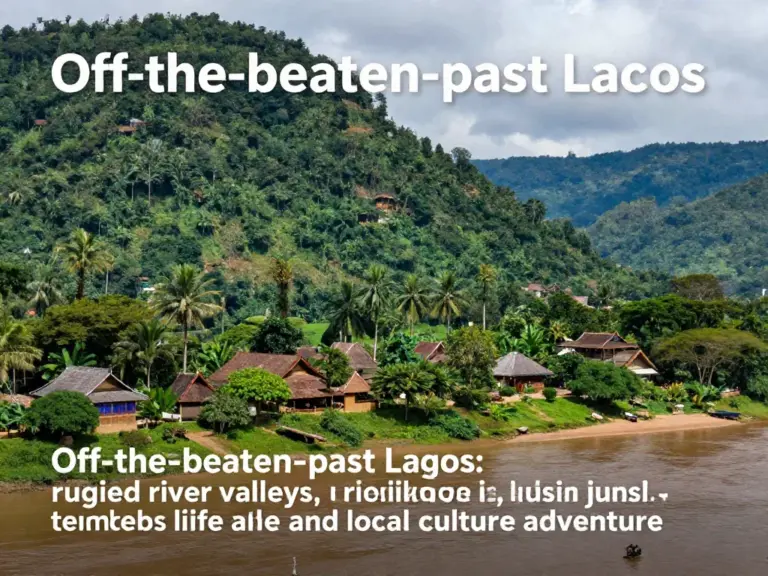
When people think of Laos Tourism, the mind often drifts to the orange-clad monks of Luang Prabang or the limestone karsts of Vang Vieng. While these destinations are undeniably beautiful, the true essence of the ‘Land of a Million Elephants’ lies hidden within its rugged mountains, remote river villages, and the quiet resilience of its people. Venturing beyond the well-trodden tourist trail reveals a side of Laos that is raw, authentic, and deeply moving, offering a travel experience that prioritizes connection over consumption.
The Appeal of Off-the-Beaten-Path Adventures in Laos Tourism
For the modern traveler, the ‘unexplored’ is the ultimate luxury. In Laos, this luxury is abundant. Unlike neighboring Thailand or Vietnam, where infrastructure has reached almost every corner, northern and southern Laos still offer regions accessible only by boat or winding dirt tracks. This lack of over-commercialization is exactly what draws adventure seekers. Whether it is trekking through the Nam Et-Phou Louey National Protected Area or exploring the mysterious Plain of Jars, the sense of discovery is palpable. Here, you aren’t just a visitor; you are a witness to a way of life that has remained unchanged for centuries.
Deep Diving into Authentic Local Culture
The heartbeat of Laos Tourism is its people. By stepping away from the main hubs, travelers can engage in ‘slow travel.’ This might involve staying in a village homestay in Phongsaly, where the local Khmu or Akha families share their traditional meals and stories. In these settings, the exchange is mutual. You learn about the intricate patterns of Lao silk weaving or the spiritual significance of the ‘Baci’ ceremony, while your presence provides direct economic support to communities that rarely benefit from mass tourism. The hospitality in rural Laos is legendary, often characterized by a warm smile and a glass of Lao-Lao rice whiskey.
Hidden Gems: Where to Go Beyond the Trail
If you are looking to escape the crowds, consider these three regions that showcase the diversity of the Lao landscape and culture:
- Muang Khua & Muang Ngoy: Located along the Nam Ou River, these villages offer stunning mountain views and are perfect for hiking to remote ethnic minority settlements.
- The Bolaven Plateau: While known for coffee, venturing deeper into the plateau reveals thundering waterfalls like Tad Fane and the chance to visit Katu villages.
- Si Phan Don (4,000 Islands): While Don Det is popular, staying on Don Khon or Don Kong offers a more serene look at the Mekong lifestyle and the rare Irrawaddy dolphins.
The Importance of Sustainable and Responsible Travel
Traveling off-the-beaten-path comes with a responsibility. The ecosystems and cultures in remote Laos are fragile. Responsible Laos Tourism involves respecting local customs—such as dressing modestly and asking permission before taking photos. It also means choosing eco-friendly tour operators who employ local guides and invest back into the community. By choosing the path less traveled, you are not just getting a better photo; you are helping to preserve the very soul of the country for future generations.
| Region | Primary Attraction | Vibe |
|---|---|---|
| Northern Highlands | Hill Tribe Trekking | Adventurous & Raw |
| Central Laos | Tham Kong Lo Cave | Mystical & Remote |
| Southern Laos | Champasak Ruins | Historical & Tranquil |
คำถามที่พบบ่อย (FAQ)
Is it safe to travel to remote areas in Laos?
Yes, Laos is generally very safe for travelers. However, in remote areas, it is essential to stick to marked paths due to unexploded ordnance (UXO) from previous conflicts and to hire a local guide who knows the terrain.
What is the best way to get around the Lao countryside?
For off-the-beaten-path travel, a mix of local ‘Sorgthaews’ (pick-up trucks), long-tail boats, and renting a motorbike is common. For long distances, domestic flights or the new high-speed railway can save time.
Do I need a visa to visit Laos?
Most nationalities can obtain a Visa on Arrival or an E-visa for 30 days. Always check the latest requirements from the official Lao consulate before traveling.
What should I pack for a rural adventure in Laos?
Pack lightweight, breathable clothing that covers shoulders and knees, sturdy hiking boots, a high-quality water filter bottle, and a power bank, as electricity can be intermittent in remote villages.
References
- Off-the-Beaten-Path Laos: Uncovering Hidden Gems and Secret Spots for Authentic Travel Experiences
- How to Plan a Safe and Responsible Trip to Remote Laos: Logistics, Best Times, Permits, and Local Guides
- Top Hidden Gems in Laos by Region: Secret Waterfalls, Remote Villages, Caves, and Underrated Natural Wonders