Why Visit Pakse? Understanding Southern Laos’ Appeal, Best Times to Go, and How to Get There
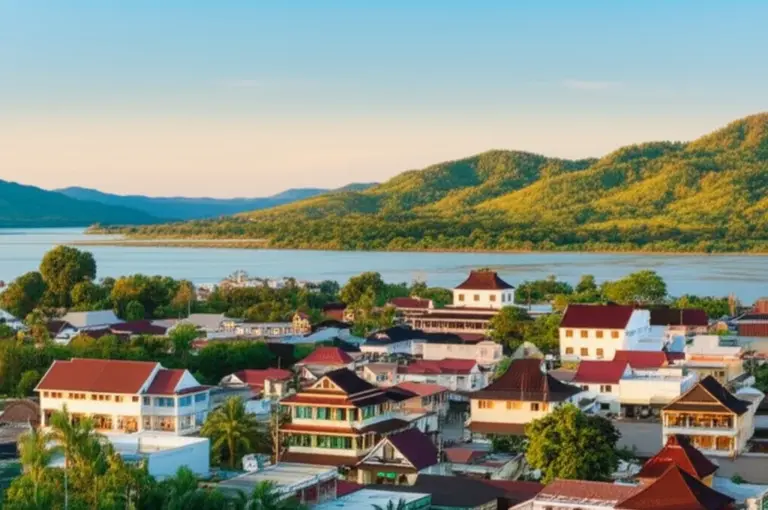
Nestled at the confluence of the Xe Don and Mekong Rivers, Pakse, the capital of Champasak Province, serves as the vibrant gateway to Southern Laos. Often overlooked in favor of more northern destinations like Luang Prabang, Pakse offers a distinct charm, captivating visitors with its tranquil ambiance, rich cultural heritage, and proximity to some of the country’s most spectacular natural and historical sites. If you’re wondering why you should visit Pakse, this comprehensive guide will unveil its unique appeal, the optimal times for your journey, and all the essential information on how to get there, ensuring an unforgettable Lao adventure. [5, 6, 21]
The Allure of Pakse: Southern Laos’ Hidden Gem
Pakse, meaning ‘mouth of the river,’ is more than just a transit hub; it’s a destination in its own right, offering a blend of French colonial history, bustling markets, and serene riverside life. Its strategic location makes it the perfect base to explore the wonders of Southern Laos. [5, 6, 31]
Bolaven Plateau: Coffee, Waterfalls, and Culture
Just east of Pakse lies the elevated Bolaven Plateau, a lush highland region renowned for its fertile soil, coffee plantations, and breathtaking waterfalls. This area is a must-visit for nature enthusiasts and coffee lovers alike. [5, 9, 21]
- Spectacular Waterfalls: The plateau is home to some of Laos’ most impressive waterfalls, including the twin cascades of Tad Fane, plunging 120 meters into a gorge, and the powerful Tad Yuang, often described as the most beautiful. Tad Lo also offers a tranquil setting with accessible swimming areas. [5, 10, 19, 23]
- Coffee Plantations: Explore sprawling coffee and tea plantations where you can learn about the cultivation process, sample freshly brewed coffee, and even stay overnight at a guesthouse. The Bolaven Plateau is famous for producing some of Southeast Asia’s finest coffee. [5, 9, 21, 23]
- Ethnic Villages: Discover the rich cultural tapestry of the region by visiting ethnic minority villages, offering a glimpse into traditional Lao ways of life. [5, 23]
Wat Phou: A UNESCO World Heritage Site
A short drive south of Pakse, near Champasak town, lies Wat Phou, an ancient Khmer temple complex that predates Angkor Wat. This UNESCO World Heritage Site, dating back to the 11th century, was once a significant Hindu pilgrimage site dedicated to Shiva. Its majestic ruins set against a scenic mountain backdrop near the Mekong River offer a profound sense of history and spirituality. [5, 10, 27, 28, 41, 42]
The 4,000 Islands (Si Phan Don): Relaxed River Life
Further south, where the Mekong River widens to an astonishing 14 kilometers, lies Si Phan Don, or the ‘4,000 Islands.’ This archipelago offers a supremely relaxed pace of life, perfect for unwinding. [10, 21, 37, 38]
- Island Hopping and Cycling: Explore the main islands of Don Det and Don Khon, connected by an old French railway bridge, often by renting a bicycle. [37]
- Waterfalls and Wildlife: Witness the powerful Khone Phapheng Falls, Southeast Asia’s largest waterfall by volume, and try to spot the rare Irrawaddy dolphins. [22, 37]
- Ultimate Relaxation: Enjoy the laid-back atmosphere, stunning sunsets over the Mekong, and simple village life. [37, 38]
Exploring Pakse Town Itself
Even within Pakse, there’s plenty to explore. The city boasts a mix of traditional Lao temples and remnants of its French colonial past. [6, 29, 31]
- Wat Luang and Wat Phou Salao: Visit Wat Luang, one of Pakse’s oldest and largest temples, featuring intricate carvings. For panoramic views of the city and the Mekong, head to Wat Phou Salao, home to a giant golden Buddha. [5, 6, 9, 12]
- Local Markets: Immerse yourself in local life at the bustling Dao Heuang Market, one of the largest in Laos, offering everything from fresh produce to textiles and handicrafts. The Pakse Morning Market is also a vibrant experience. [5, 7, 8, 21]
- Riverside Dining: Enjoy delicious Lao cuisine at one of the many riverside restaurants, especially as the sun sets over the Mekong. [6]
Best Time to Visit Pakse
The tropical savanna climate of Pakse means warm temperatures year-round, but distinct seasons influence the travel experience. Choosing the best time to visit Pakse depends on your preferences. [5, 12]
The Dry Season (October/November to February/March)
This period is generally considered the best time to visit Pakse. Temperatures are cooler and more comfortable, with clear skies, making it ideal for outdoor activities like trekking the Bolaven Plateau or exploring ancient ruins. However, it’s also peak tourist season, so expect higher prices and larger crowds. [5, 6, 7, 8, 12]
The Hot Season (March to May)
Temperatures can soar, sometimes reaching up to 40°C, making extensive outdoor exploration challenging. However, this period coincides with the Lao New Year (Pi Mai Lao) in April, a vibrant festival not to be missed if you can tolerate the heat. [6, 8, 12]
The Wet Season (May/June to October)
While there are daily downpours, they often occur in short bursts, leaving plenty of time for sightseeing. The landscapes are incredibly lush and green, and waterfalls are at their most spectacular. There are fewer tourists, and accommodation prices can be lower. Some rural roads might become muddy, but major routes remain accessible. [5, 6, 8, 12]
How to Get There: Your Gateway to Southern Laos
Pakse is well-connected, serving as the primary transportation hub for Southern Laos. [15]
By Air
Pakse International Airport (PKZ) offers the fastest way to reach the city. [13]
- Domestic Flights: Lao Airlines operates daily flights from Vientiane, the capital, taking approximately 1 hour 30 minutes. Flights from Luang Prabang are also available, though less frequent. [11]
- International Connections: Direct flights (seasonal) can be found from Bangkok (Thailand), Siem Reap (Cambodia), and Ho Chi Minh City (Vietnam). [11, 13, 15]
By Bus
Buses are a popular and economical way to reach Pakse from various locations. [15]
- From Vientiane: Overnight sleeper buses are available, with a journey time of around 10-12 hours. [13, 35]
- From Thailand: A common route is to take a bus from Ubon Ratchathani (Thailand) to the Chong Mek-Vang Tao border crossing, then continue to Pakse. The entire journey from Ubon can take 3-4 hours. [11, 17]
- From Cambodia: Direct buses operate from Siem Reap and Phnom Penh to Pakse, crossing at the Dong Kralor border. These are long journeys (10-14 hours). [11, 16]
- From 4,000 Islands: Minivans from Nakasong (the mainland gateway to Si Phan Don) reach Pakse in 2-3 hours. [11, 22, 37, 38]
By Boat
While less common for long distances, a boat and minivan combination is a scenic option if traveling from Si Phan Don (4,000 Islands) to Pakse. [11]
Planning Your Pakse Adventure: Essential Tips
To make your visit Pakse as smooth as possible, consider these practical tips:
- Local Transport: Once in Pakse, you can get around by tuk-tuk, motorbike rental (popular for exploring the Bolaven Plateau), or even bicycle. [13]
- Currency: The official currency is the Laotian Kip (LAK). ATMs are available in Pakse, but not on the 4,000 Islands. [24, 37]
- Visa Requirements: Check visa requirements for Laos in advance. Many nationalities can obtain a visa on arrival. [13]
- Navigation: While exploring the region, especially the Bolaven Plateau loop, having offline maps or a GPS can be very helpful. [20]
คำถามที่พบบ่อย (FAQ)
References
- Realistic Asia: Pakse: The ultimate guide for exploring Southern Laos’ Delights
- Travel Authentic Asia: Pakse Travel Guide
- Adventures of Jellie: A Complete Guide to Pakse, Laos
- Kampá Tour: Visit Pakse, Laos 2025: Everything You Need To Know For A Memorable Trip
- Brunette at Sunset: A guide to Pakse & the Bolaven Plateau
- YouTube: Top 10 Places to visit Pakse, Laos
- Asia Eye’s Travel: How to Get to Pakse – Best Travel Routes and Tips
- Sonasia Holiday: Pakse Travel Guide – When to visit – What to see & do – Where to stay
- Travelsetu.com: How To Reach Pakse (Laos) In 2025
- Tourism Laos: Pakse and 10 things to do
- Asia for Visitors: Getting There (Pakse)
- Rome2Rio: Vietnam to Pakse – 4 ways to travel via plane, bus, and car
- Bucketlistly Blog: How to Get From Bangkok/Ubon Ratchathani to Pakse, Laos, and Vice Versa
- Latitude and Longitude Finder: Where is Pakse, Champasak, Laos on Map?
- Im Jess Traveling: The Bolaven Plateau Laos in 1 Day
- Adventures of Jellie: The Bolaven Plateau – A Guide to Riding the Pakse Loop
- The Lazy Geographer: Discovering Pakse, Laos: a not comprehensive travel guide to this delightful city
- Racing and Traveling Over 50: Laos Travel 2023- The 4000 Islands: Don Det and Don Khon.
- Exhausted Millennial: Drive the Bolaven Plateau from Pakse
- Wikipedia: Pakse
- Viator: 4000 Islands Cruise & Tour from Pakse
- YouTube: Exploring Pakse and the Stunning Bolaven Plateau: Nature’s Paradise in Laos
- Backpacking Junkie: Bolaven Plateau: Pakse Loop 3 Day Itinerary
- Southern Laos Discovery: Exploring Pakse — Complete Travel Guide to Waterfalls, Coffee Plantations, and Southern Lao Culture
- Top Attractions Around Pakse: Bolaven Plateau Waterfalls, Wat Phu Ruins, and Pakse Night Market Explained
- Practical Travel Planning: Transportation, Where to Stay, Local Food, and Safety Tips for Visitors