Off-the-Beaten-Path Laos: Uncovering Hidden Gems and Secret Spots for Authentic Travel Experiences
When many travelers think of laos Tourism, the golden spires of Luang Prabang or the limestone karsts of Vang Vieng immediately come to mind. While these destinations are undeniably beautiful, the true soul of Laos often lies tucked away in its remote corners. For those seeking authentic travel experiences, venturing off the beaten path reveals a land of misty mountains, ancient ethnic traditions, and untouched natural wonders that remain largely shielded from mass tourism.
The Mystical North: Phongsaly and the Ancient Tea Forests
Phongsaly is perhaps the most remote province in Laos, sharing borders with China and Vietnam. It is a world away from the humidity of the plains. Here, the air is crisp, and the hills are home to the Phounoy and Akha people. One of the most secret spots here is the 400-year-old tea plantation in Ban Komaen. Walking through these ancient trees, some of which are several meters tall, offers a glimpse into a centuries-old tradition of tea cultivation that predates modern industrial farming.
Viengxay: The Hidden City Beneath the Limestone
In the northeastern province of Houaphan lies Viengxay, a place of profound historical significance and breathtaking natural beauty. During the Indochina War, an entire city was built inside a network of over 400 caves to protect the population from aerial bombardments. Today, you can explore these ‘Hidden City’ caves, which once housed hospitals, schools, and government offices. It is a powerful testament to human resilience and a must-visit for anyone interested in the deeper layers of laos Tourism.
The Kong Lor Cave: A 7-Kilometer Underground Voyage
Located in the Phu Hin Bun National Park, the Kong Lor Cave is a geological marvel. Unlike many tourist caves with paved paths and colorful lights, Kong Lor is an adventure. You board a small wooden longtail boat and navigate seven kilometers through the darkness of the cave, powered only by the headlamps of your guides. The cave opens up into massive chambers over 100 meters high, filled with ancient stalactites and stalagmites. This is authentic Laos at its most raw and exhilarating.
| Destination | Best Known For | Region |
|---|---|---|
| Phongsaly | Ancient Tea & Trekking | North |
| Viengxay | Historical Cave City | Northeast |
| Kong Lor | 7km Underground River | Central |
| Bolaven Plateau | Coffee & Waterfalls | South |
Southern Serenity: The Bolaven Plateau and Beyond
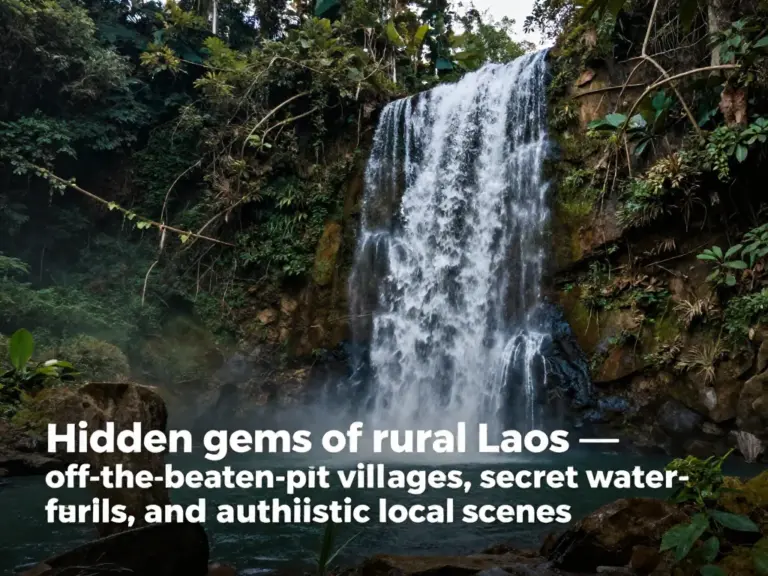
While the 4,000 Islands (Si Phan Don) attract many, the Bolaven Plateau offers a cooler, more verdant escape. Famous for its high-grade coffee and thundering waterfalls like Tad Fane and Tad Yuang, the plateau is best explored by motorbike. For a truly secret experience, head to the smaller villages where local families still weave traditional textiles and live in harmony with the fertile volcanic soil. The lack of crowds here allows for genuine interaction with the local Mon-Khmer speaking tribes.
คำถามที่พบบ่อย (FAQ)
Q: What is the best time to visit off-the-beaten-path locations in Laos?
A: The best time is during the cool, dry season from November to February. Roads to remote areas like Phongsaly can become difficult to navigate during the rainy season (June to October).
Q: Is it safe to travel to remote areas in Laos?
A: Yes, Laos is generally very safe for travelers. However, in remote regions, it is advisable to stick to marked trails and hire local guides, especially in areas with a history of unexploded ordnance (UXO).
Q: Do I need a special permit to visit ethnic villages?
A: Most areas do not require special permits, but it is respectful and often necessary to have a local guide who speaks the language and knows the local customs when entering small ethnic communities.
References
- Why Visit Laos Beyond the Tourist Trail: Understanding the Appeal of Off-the-Beaten-Path Adventures and Local Culture
- How to Plan a Safe and Responsible Trip to Remote Laos: Logistics, Best Times, Permits, and Local Guides
- Top Hidden Gems in Laos by Region: Secret Waterfalls, Remote Villages, Caves, and Underrated Natural Wonders