Preparing Responsibly: Permits, Cultural Sensitivity, Language, and Skills That Local Communities Actually Need
- Preparing Responsibly: Permits, Cultural Sensitivity, Language, and Skills That Local Communities Actually Need
Traveling to Laos offers an unparalleled glimpse into a gentle, ancient culture nestled along the Mekong. However, true appreciation requires more than just sightseeing; it demands Preparing Responsibly: Permits, Cultural Sensitivity, Language, and Skills That Local Communities Actually Need. As tourism grows, so does the imperative for visitors to minimize negative impact and maximize positive contribution. This guide outlines the essential, often overlooked, steps for engaging with Lao society in a respectful and beneficial manner, moving beyond standard guidebook advice to genuine community partnership.
Understanding the Local Context: Permits and Regulations
While Laos is generally welcoming, navigating necessary bureaucratic steps ensures your presence is legitimate and supports local governance. Failure to adhere to regulations can strain relationships with local authorities and communities.
Visa Requirements and Entry Points
Most travelers enter with a Visa on Arrival (VOA) or through pre-arranged e-Visas. Always check the current requirements based on your nationality before departure. Ensure your passport is valid for at least six months beyond your intended stay. The Lao Ministry of Foreign Affairs provides the most up-to-date official information.
Special Area Permits (Trekking and Border Zones)
For those venturing into remote areas, particularly near national protected areas or ethnic minority villages, local guides or tour operators are often mandatory. These guides secure necessary permissions from provincial or district offices. Never attempt to trek independently into restricted zones; this is not only illegal but deeply disrespectful to the territorial rights and security concerns of local people. These permits ensure that tourism revenue is channeled correctly and that environmental guidelines are followed.
Cultural Sensitivity: The Heart of Responsible Travel
Lao culture is deeply rooted in Theravada Buddhism and strong communal respect. Understanding the subtle nuances of etiquette is crucial for positive interactions. This is where true expertise in responsible travel shines.
Temple Etiquette and Sacred Spaces
When visiting Wats (temples), dress modestly: cover shoulders and knees. Always remove your shoes before entering any temple building or private home. Never point your feet towards a Buddha image or an elder, as feet are considered the lowest and dirtiest part of the body. When presenting or receiving items, use both hands as a sign of respect. If you are visiting during a Baci ceremony, observe quietly and follow the lead of your hosts.
Interacting with Elders and Monks
Elders command immense respect in Lao society. Always address them formally. Monks hold a high spiritual status: women should never touch a monk or hand something directly to them; place the item on a clean cloth or table instead. Even for men, physical contact should be minimal. This respect extends to the Lao flag and national symbols.
Language: Bridging the Divide
While English is spoken in major tourist hubs like Vientiane and Luang Prabang, venturing into rural areas requires an effort to learn basic Lao phrases. This small effort signals tremendous respect and opens doors to deeper connections. The ability to communicate basic needs and courtesies is invaluable.
Essential Lao Phrases for Respectful Engagement
- Sabaidee (Sa-bai-dee): Hello/How are you? (Universal greeting)
- Khop Jai (Khop chai): Thank you. (Use Khop Jai Lai Lai for a stronger thank you.)
- Khoy Kot Lat (Koy kot lat): I am sorry. (Essential for accidental bumps or mistakes.)
- Phet/Phet Noi: Spicy/Not spicy. (Crucial for local cuisine!)
- Thao Dai?: How much? (For market transactions.)
Hiring a local guide who speaks both languages is not just convenient; it’s a direct investment in the local economy and ensures cultural nuances are correctly interpreted. Seek out tours that explicitly state local guide employment.
Skills and Resources Local Communities Actually Need
Responsible tourism moves beyond simply donating old clothes. Visitors should consider what sustainable skills or resources genuinely enhance community well-being without creating dependency. This is the core of sustainable community-based tourism (CBT).
What NOT to Give (The Dependency Trap)
| Avoid Giving | Reasoning |
|---|---|
| Candy/Sweets | Contributes to dental problems; creates begging behavior. |
| Used Clothing | Can undercut local textile makers; often inappropriate sizes/styles. |
| General Cash Donations | Lack of transparency; may not reach intended projects effectively. |
Valuable Contributions: Skills and Conscious Spending
The most valuable contribution is often conscious spending channeled directly to local enterprises. Furthermore, specific skills can be shared through organized workshops if requested by the community leaders.
- Basic Digital Literacy: If you have expertise in simple software (e.g., Excel for inventory, basic social media management), inquire if a local guesthouse owner or handicraft collective needs a short, structured workshop.
- English for Hospitality: Offering conversational English practice focused on tourism vocabulary can directly improve job prospects for younger residents.
- Support Local Supply Chains: Stay in locally-owned guesthouses, eat at family-run restaurants, and buy crafts directly from the artisans, not just middlemen. This ensures money circulates within the community.
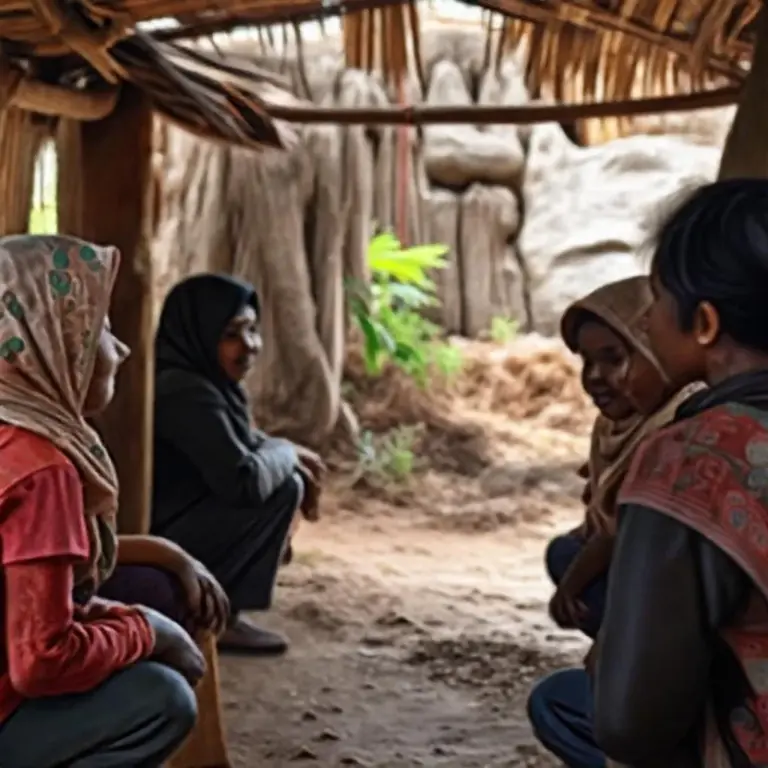
To truly understand the needs on the ground, consider visiting an established Community-Based Tourism (CBT) project. These initiatives are designed in partnership with locals and focus on sustainable development. For example, exploring the CBT initiatives around Nong Khiaw or the Bolaven Plateau can offer insight into successful models.
Visualizing Responsible Engagement in Laos
Watching how others engage respectfully provides excellent preparation. This video offers insights into the natural beauty and the importance of mindful interaction while traveling through this serene nation.
Conclusion: The Traveler as a Positive Force
Preparing Responsibly: Permits, Cultural Sensitivity, Language, and Skills That Local Communities Actually Need is not a checklist to be rushed through; it is a mindset to adopt. By respecting Lao laws (permits), embracing cultural norms (sensitivity), making an effort to communicate (language), and spending consciously (skills/resources), the traveler transforms from a mere tourist into a welcome guest. Laos rewards diligence and respect with unforgettable, authentic experiences. Travel with intention, leave only footprints, and carry only memories.