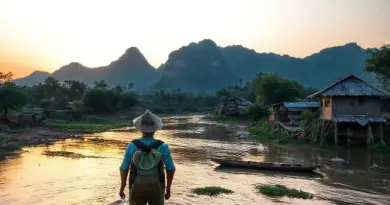
Ways to Support Beyond Purchases: Ethical Buying, Micro-donations, Volunteering, and Responsible Tourism
- Ways to Support Beyond Purchases: Ethical Buying, Micro-donations, Volunteering, and Responsible Tourism
- The Foundation of Ethical Consumption in Laos
- Leveraging Micro-donations for Immediate Impact
- The Value of Volunteering Time and Skills
- Embracing Responsible Tourism Practices
- Cultural Respect: The Most Important Contribution
- คำถามที่พบบ่อย (FAQ)
- How can I ensure my micro-donation actually reaches the intended community in Laos?
- Is it better to volunteer long-term or donate small amounts frequently?
- What is the difference between ethical buying and just buying local in Laos?
- What are the key areas where responsible tourism impacts Laos most positively?
- Where can I find reputable volunteer organizations in Laos?
- References
When traveling to beautiful destinations like Laos, the desire to contribute positively to the local economy and culture is strong. While purchasing local handicrafts is a direct way to offer support, true, sustainable impact often lies in actions taken beyond purchases. For the conscientious traveler focused on Laos Tourism, understanding Ways to Support Beyond Purchases: Ethical Buying, Micro-donations, Volunteering, and Responsible Tourism is crucial for leaving a legacy of positive change. This guide explores actionable, high-impact strategies that ensure your visit benefits the communities you explore.
The Foundation of Ethical Consumption in Laos
Ethical buying goes deeper than just choosing ‘Made in Laos.’ It involves understanding the supply chain, ensuring fair wages, and respecting cultural heritage. In areas outside major tourist hubs like Vientiane or Luang Prabang, small artisan groups rely heavily on respectful, informed purchasing decisions.
Prioritizing Fair Trade and Artisan Support
Look for cooperatives or shops explicitly stating their commitment to Fair Trade principles. These organizations ensure artisans receive a living wage, work in safe conditions, and maintain ownership over their designs. When buying textiles or silverwork, ask about the origin of the materials and the process. Supporting these transparent businesses is a powerful form of economic empowerment.
Avoiding Exploitative Souvenir Markets
Be cautious of mass-produced items, especially those made from protected materials (like certain hardwoods or endangered animal parts, which are strictly illegal but still sometimes attempted to be sold). Always opt for items that celebrate local skills—weaving, natural dyeing, or traditional carving—over cheap imports. This aligns directly with responsible tourism principles.
Leveraging Micro-donations for Immediate Impact
Not everyone has the time to volunteer, but almost everyone can contribute financially in small, targeted ways. Micro-donations allow travelers to provide immediate, necessary support to specific, vetted local initiatives. This is often far more effective than donating to large, distant international organizations, as the funds go directly to the point of need within Laos Tourism communities.
Direct Support for Education and Health
Identify local schools or small community health centers. Many guesthouses or eco-lodges partner with these facilities. A small donation might cover the cost of textbooks for a classroom or essential medical supplies for a village clinic. Always check if the establishment you are using facilitates these direct transfers transparently.
Supporting Local Infrastructure Projects
Consider contributing to projects focused on clean water access or small-scale sustainable farming initiatives. These efforts build long-term resilience in rural Lao provinces, moving communities toward self-sufficiency rather than perpetual aid dependency. These are crucial Ways to Support Beyond Purchases that build community capital.
The Value of Volunteering Time and Skills
Volunteering offers a deep, personal connection to the Laotian way of life. However, unskilled, short-term volunteering can sometimes do more harm than good if it displaces local workers or relies on poorly managed programs. For the best experience, focus on skill-based or pre-vetted opportunities.
Skill-Based Volunteering
If you have expertise in teaching English (especially conversational skills), sustainable agriculture, basic IT, or eco-lodge management, seek out long-term placements (even a few weeks) where your skills genuinely fill a gap. These contributions build capacity within the local workforce.
Supporting Responsible Animal Sanctuaries
Laos has several ethical wildlife rescue and rehabilitation centers. Volunteering here often involves manual labor, animal care, or assisting with visitor education programs. Always ensure the sanctuary has a strong focus on rehabilitation and release, rather than simply being an attraction.
Embracing Responsible Tourism Practices
Responsible tourism is the umbrella under which ethical buying and micro-donations sit. It involves making daily decisions that minimize negative environmental and social footprints while maximizing local economic benefits. This is perhaps the most accessible of all the Ways to Support Beyond Purchases for every visitor.
Choosing Local Homestays and Guesthouses
While large international hotels offer comfort, staying in locally-owned homestays or small boutique guesthouses ensures a much larger percentage of your expenditure remains within the local community. You also gain invaluable cultural insights, fulfilling the experiential aspect of travel.
Eco-Conscious Activity Choices
When booking excursions, especially around the Mekong River or in the karst regions, choose operators who visibly commit to sustainability. This means proper waste disposal, respecting wildlife viewing distances, and employing local guides who share accurate cultural and ecological information.
To illustrate the incredible biodiversity and the importance of conservation efforts linked to responsible tourism, here is a short video overview of Laos’s natural beauty and the need for mindful visitation.
Cultural Respect: The Most Important Contribution
Ultimately, the greatest support you can offer is through deep cultural respect. This involves learning basic Lao phrases, dressing modestly when visiting temples (Wats), asking permission before photographing people, and remembering that patience and a smile go a long way in a culture that values harmony and community over haste.
| Support Method | Primary Benefit | Example Action in Laos |
|---|---|---|
| Ethical Buying | Direct economic empowerment for artisans | Purchasing hand-woven silk from a vetted Fair Trade cooperative in Luang Prabang. |
| Micro-donations | Targeted relief for immediate needs | Donating funds for school supplies at a small village school near Vang Vieng. |
| Volunteering | Capacity building and skill transfer | Spending a week assisting with English conversation practice at a local community center. |
| Responsible Tourism | Environmental and cultural preservation | Choosing a locally-owned boat operator on the Mekong River who adheres to low-impact travel guidelines. |
คำถามที่พบบ่อย (FAQ)
Frequently asked questions regarding how to offer support to Laos beyond simple transactions.
How can I ensure my micro-donation actually reaches the intended community in Laos?
The most trustworthy way is to route funds through established, verifiable channels. This could be via a reputable local NGO that partners with your accommodation, or by giving cash directly to a known community leader (like a village elder or school director) in the presence of a trusted local guide who can verify the transfer.
Is it better to volunteer long-term or donate small amounts frequently?
For short-term travelers, frequent, targeted micro-donations are usually more impactful than short volunteering stints, which can sometimes disrupt local work patterns. Long-term, skill-based volunteering (more than one month) is highly beneficial, but if time is limited, consistent financial support directed to specific needs is excellent.
What is the difference between ethical buying and just buying local in Laos?
Buying local means the money stays in Laos, which is good. Ethical buying means you actively inquire about the working conditions, material sourcing, and wage fairness of the producer, ensuring the transaction supports sustainable livelihoods and avoids exploitation or cultural appropriation. It requires deeper engagement.
What are the key areas where responsible tourism impacts Laos most positively?
Responsible tourism significantly impacts environmental conservation (especially in protected areas like the Nam Et-Phou Louey National Park), cultural preservation (by supporting authentic traditions over staged performances), and poverty reduction through direct local employment in accommodation and guiding services.
Where can I find reputable volunteer organizations in Laos?
Start by checking with established eco-lodges or recognized international volunteer placement agencies that specifically vet their local partners in Laos. Always look for organizations that prioritize hiring local staff for administrative roles.
References
Fair Trade International Standards Overview
Principles of Responsible Tourism
- Supporting Laos’ Handloom Cooperatives: How Your Kip Can Empower Artisans, Preserve Culture, and Drive Sustainable Livelihoods
- Why Supporting Laotian Handloom Cooperatives Matters: Economic Impact, Cultural Preservation, and Community Development
- How Your Kip Directly Benefits Artisans: Transparency, Fair Trade Pricing, and Cooperative Revenue Models