Why Visit Nam Et-Phou Louey? Understanding the Park’s Unique Ecosystems, Best Seasons, and What Wildlife You Can Expect to See
- Why Visit Nam Et-Phou Louey? Understanding the Park’s Unique Ecosystems, Best Seasons, and What Wildlife You Can Expect to See
Nestled in the remote northeastern reaches of Laos lies the magnificent Nam Et-Phou Louey National Park, a vast and vital protected area that beckons adventurers and conservation enthusiasts alike. Spanning over 5,000 square kilometers across the provinces of Houaphan, Luang Prabang, and Xieng Khouang, this park is not just a natural wonder but a beacon of sustainable ecotourism. It offers a rare glimpse into one of Southeast Asia’s most biodiverse ecosystems, where the principles of conservation are woven into every visitor’s experience. From its mystical cloud forests to its thriving rivers, Nam Et-Phou Louey provides an unparalleled opportunity to connect with nature and support crucial wildlife protection efforts. This guide will delve into the park’s unique ecosystems, highlight the best times to visit, and reveal the incredible array of wildlife you can anticipate encountering.
The Unique Ecosystems of Nam Et-Phou Louey
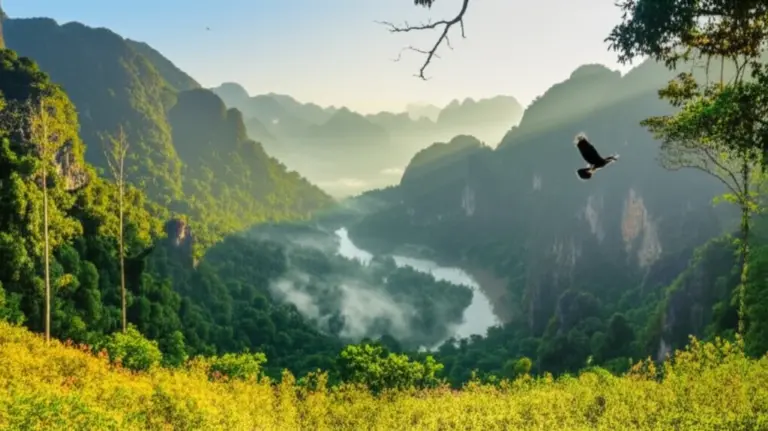
The topography of Nam Et-Phou Louey National Park is as diverse as its species. Named after the Nam Et River and Phou Louey (‘Forever Mountain’), the park features dramatic mountainous terrain with elevations ranging from 336 to 2,257 meters. The highest point, Phou Louey Mountain, is home to a captivating cloud forest, a rare and important habitat of particular interest to botanists. [4] The park’s vegetation primarily consists of mixed deciduous forest (66%), shrub-bamboo-grasslands (30%), and a smaller percentage of evergreen forest (4%), a landscape shaped by both natural processes and historical human activity. [4] This mosaic of habitats, encompassing montane rainforests, subtropical forests, and moist deciduous forests, contributes to the park’s exceptionally high level of biodiversity. [5]
The park’s ecological significance extends beyond its terrestrial environments. Numerous rivers originate within its boundaries, serving as vital water sources for both wildlife and human communities. The intricate network of rivers, streams, and salt licks creates essential corridors and feeding grounds for many species, making it a dynamic and interconnected natural system. The commitment to maintaining these ecosystems is paramount, with conservation initiatives actively working to protect the delicate balance of this natural wonder. [4, 9]
Best Seasons to Experience the Park’s Wonders
Choosing the right time to visit Nam Et-Phou Louey National Park can significantly enhance your experience. The park experiences two distinct seasons: a dry season and a rainy season.
This period is generally considered the best time to visit. The weather is warm and dry, with clear trails and excellent visibility, making it ideal for trekking, wildlife spotting, and exploring the full range of tours. [1, 2, 3] Daytime temperatures typically range from 20-30°C (68-86°F). [7] For river-based activities, particularly the Nam Nern Night Safari, the months between November and January are optimal due to higher water levels, ensuring easy passage. [1, 8]
While the rainy season brings lush, vibrant greenery and fewer travelers, some trails might be slippery. [3] Despite the rainfall, certain experiences like the Nam Nern Night Safari continue to operate, offering a unique perspective of the park’s renewed vitality. [3] Planning your trip early in the rainy season, around May and June, can be rewarding as the vegetation truly comes to life. [2]
Regardless of the season, the park’s ecotourism programs are designed to provide a positive impact, with local communities actively involved as guides and rangers, ensuring a sustainable and authentic experience. [1]
What Wildlife You Can Expect to See
Nam Et-Phou Louey is a sanctuary for an astonishing array of wildlife, making it one of Laos’s most important biodiversity hotspots. The park boasts over fifty mammal species and more than 300 bird species, with new discoveries continuously being made. [4, 6] The ecotourism efforts within the park are directly linked to conservation, with visitor fees contributing to the protection of these precious animals. [12]
Carnivores and Rare Mammals
The park is especially renowned for its diverse carnivore population. While historical records indicated the presence of tigers and leopards, recent data from 2013 suggests these magnificent big cats are no longer found within the park, with no evidence or sightings since then, indicating their likely extinction in Laos. [5] However, the park still harbors a significant population of other elusive felids, including the clouded leopard, Asian golden cat, marbled cat, and leopard cat. [6] Visitors also have the chance to spot the endangered dhole (Asian wild dog), as well as Asiatic black bears and sun bears. [4, 6] The presence of camera traps throughout the park, often checked by tourists, provides invaluable insights into the movements and health of these populations. [2, 8]
Primates and Herbivores
One of the crown jewels of Nam Et-Phou Louey’s wildlife is the critically endangered Northern White-cheeked Gibbon. The park is home to what is believed to be the largest remaining population of this species globally, known for their distinctive early-morning songs. [4, 6] Other herbivores include gaur and Sambar deer, often seen near salt licks, which are vital mineral sources for many animals. [5, 9, 10]
Avian Wonders and More
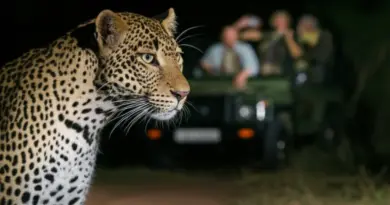
Birdwatchers will be delighted by the park’s rich avian diversity, with over 300 species recorded. [4, 6] Hornbills are among the notable sightings. Beyond mammals and birds, the park’s ecosystems support a variety of reptiles and amphibians, including turtles, frogs, lizards, and various snake species. [10, 11] The Nam Nern Night Safari is a signature experience, offering a unique opportunity to spot nocturnal animals along the riverbanks with the aid of spotlights, providing a thrilling and intimate encounter with the park’s hidden life. [2, 7, 14]
The park’s commitment to conservation is evident in its ecotourism model, where visitor fees directly support anti-poaching efforts and provide sustainable livelihoods for local communities. This ensures that every visit contributes positively to the ongoing protection of this extraordinary natural heritage. [1, 12, 14]
Planning Your Journey to Nam Et-Phou Louey National Park
Access to Nam Et-Phou Louey National Park is primarily through organized tours, which are designed to safeguard the delicate ecosystems and ensure a rich visitor experience. The park headquarters and visitor center are located in Muang Hiam. [2] Public buses are available from major hubs like Luang Prabang, Sam Neua, and Phonsavan, though travel can be extensive, it offers a truly immersive journey through the Lao landscape. [2, 8] For those seeking more flexibility, renting a car or motorcycle is an option. [2]
Within the park, popular activities include the Nam Nern Night Safari, which is a 24-hour boat-based tour offering unparalleled nocturnal wildlife viewing. [2, 9] The Cloud Forest Climb is another popular trekking option, leading to the summit of Phou Louey and offering opportunities to track wild species via camera traps. [2, 8, 16] For a truly unique experience, consider staying overnight in ‘The Nests’ – spherical baskets hanging from trees, providing an intimate connection with the wilderness. [2, 3, 16] Community homestays also offer a low-cost way to support local livelihoods and gain deeper cultural insights. [7]
Visiting Nam Et-Phou Louey National Park is more than just a trip; it’s an immersive adventure that contributes directly to the conservation of one of Southeast Asia’s most vital natural treasures. Its unique ecosystems, diverse wildlife, and strong commitment to sustainable tourism make it an unforgettable destination for anyone passionate about responsible travel and authentic wildlife encounters.
คำถามที่พบบ่อย (FAQ)
References
- Audley Travel – Visit Nam Et-Phou Louey, Laos
- Asia King Travel – Nam Et-Phou Louey Protected Area
- Viland Travel – Nam Et-Phou Louey Eco Luxury
- Nam Et-Phou Louey National Park – About the Park
- Wikipedia – Nam Et-Phou Louey National Park
- Nam Et-Phou Louey National Park – Wildlife
- Take your Backpack – Visit Nam Et-Phou Louey National Protected Area
- Sonasia Holiday – Nam Et – Phou Louey NPA Travel
- EXO Foundation – Nam Et–Phou Louey National Park
- Experience Travel Group – Day & Night Safari in Nam Et National Park
- ResearchGate – A Landscape Summary for the Nam Et-Phou Louey National Protected Area
- Panorama Solutions – Wildlife Conservation Ecotourism in Nam Et-Phou Louey National Park
- Nam Et Phou Louey National Park – YouTube Channel
- Nam Et-Phou Louey National Park – Home
- InsideAsia Tours – Nam Et-Phou Louey National Protected Area
- Laos Trekking Tours – Nam Et-Phou Louey National Park Trekking Tours
- Nam Et-Phou Louey National Park: The Ultimate Guide to Wildlife Spotting and Jungle Treks
- Planning Your Trip: How to Get There, Permits, Guided Tour Options, and Recommended Multi-Day Trek Itineraries
- Wildlife Spotting Techniques and Ethical Practices: Where to Find Key Species, Best Times for Sightings, and Responsible Photography