Wildlife Spotting Techniques and Ethical Practices: Where to Find Key Species, Best Times for Sightings, and Responsible Photography
- Wildlife Spotting Techniques and Ethical Practices: Where to Find Key Species, Best Times for Sightings, and Responsible Photography
- Discovering Laos’s Rich Biodiversity: An Introduction to Wildlife Spotting
- Essential Laos Wildlife Spotting Techniques
- Where to Find Key Species in Laos and Best Times for Sightings
- Responsible Photography and Ethical Practices for Wildlife Encounters
- Conclusion: Preserving Laos’s Natural Heritage
- คำถามที่พบบ่อย (FAQ)
Laos, a landlocked gem in Southeast Asia, offers an unparalleled opportunity for responsible tourism, particularly for those interested in wildlife observation. For enthusiasts looking to engage in ethical Laos wildlife spotting, understanding the local ecosystems, the best times for sightings, and crucial ethical practices is paramount. This guide provides comprehensive insights to ensure your wildlife adventure is both memorable and sustainable, contributing positively to the conservation efforts in this biodiverse nation. Laos’s lush landscapes, from dense rainforests to winding rivers, harbor an astonishing array of species, many of which are rare and endangered, making it a unique destination for ecotourism.
Discovering Laos’s Rich Biodiversity: An Introduction to Wildlife Spotting
Laos is often overshadowed by its more famous neighbors when it comes to tourism, but its natural heritage is incredibly rich and largely untouched. The country is part of the Indochina biodiversity hotspot, home to a vast number of species, including elusive big cats, diverse primates, and a spectacular array of birds. The commitment to conservation, particularly through its National Protected Areas, makes it an ideal destination for mindful wildlife encounters. Engaging in Laos wildlife spotting is not just about seeing animals; it’s about connecting with nature and supporting the protection of these precious habitats.
Why Laos is a Prime Destination for Wildlife Enthusiasts
Unlike mass tourism destinations, Laos offers a more intimate and authentic wildlife experience. Its protected areas are less crowded, allowing for deeper immersion into nature. Species like the Indochinese tiger, clouded leopard, Asian elephant, and various gibbon species call Laos home, though many are incredibly shy and require patience and local expertise to spot. The emphasis here is on low-impact, high-value tourism that benefits local communities and conservation initiatives directly.
Essential Laos Wildlife Spotting Techniques
Successful wildlife spotting in Laos demands more than just luck; it requires preparation, knowledge, and a respectful approach. These techniques will enhance your chances of observing animals in their natural habitats without causing disturbance.
Patience and Observation are Key
Wildlife observation is a waiting game. Animals are often wary of human presence. Find a good vantage point, remain quiet and still, and allow the environment to reveal itself. Listen for sounds – rustling leaves, bird calls, or distant animal vocalizations – as these can indicate nearby activity. Dawn and dusk are typically the most active times for many species.
Understanding Animal Behavior
Familiarize yourself with the habits of the species you hope to see. For instance, primates are often found in the forest canopy, while deer and wild cattle may graze in open clearings. Knowing their feeding patterns, preferred habitats, and typical routines will significantly improve your chances of a sighting.
The Right Gear for the Job
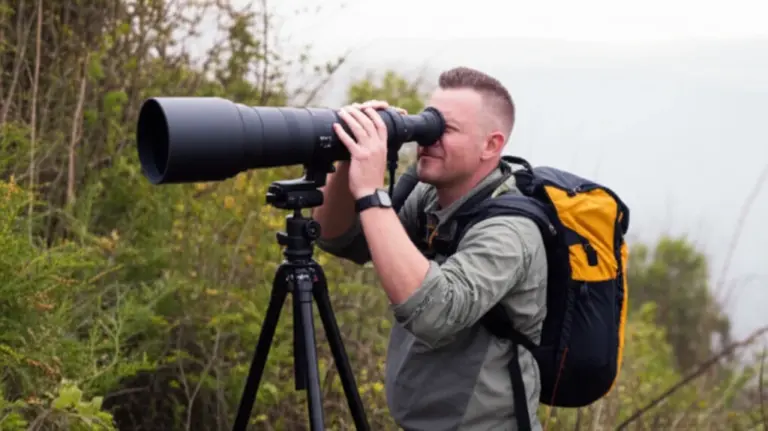
Binoculars are indispensable for observing wildlife from a distance without disturbing them. A good telephoto lens is essential for photography. Wear neutral-colored clothing to blend into the environment and sturdy, comfortable footwear for trekking. A reliable headlamp (with a red light option for nocturnal viewing) and insect repellent are also crucial.
Where to Find Key Species in Laos and Best Times for Sightings
Laos’s protected areas are the best places for Laos wildlife spotting. Here are some of the most prominent:
Nam Et-Phou Louey National Protected Area: A Nocturnal Wonderland
Located in northern Laos, NEPL is renowned for its ‘Night Safari’ tours, offering a unique chance to see critically endangered species like the clouded leopard, civets, and various deer. The best time to visit is during the dry season (October to May) when animal movements are more predictable near water sources. These tours are community-based, directly supporting conservation.
The Gibbon Experience (Bokeo Province): Canopy Adventures
While famous for its ziplining and treehouses, The Gibbon Experience also offers incredible opportunities to spot Black-cheeked Gibbons and other primates. Early mornings are best for hearing and seeing gibbons. This ecotourism project is a prime example of how tourism can fund forest protection and local livelihoods.
Xe Pian National Protected Area: Southern Laos’s Gem
In southern Laos, Xe Pian is home to wild elephants, Eld’s deer, and a rich diversity of birds. Boat trips along the Xe Pian River provide excellent opportunities for birdwatching and spotting riverside mammals. The dry season (November to April) is generally preferred for easier access and clearer sightings.
Elephant Conservation Center (Sayaboury): A Sanctuary
While not a ‘wild’ spotting location in the strictest sense, the ECC offers an ethical way to interact with and learn about Asian elephants. It’s a sanctuary for rescued elephants, focusing on rehabilitation and breeding. Visitors can observe elephants in a natural setting and learn about their conservation, a crucial aspect of responsible tourism in Laos. The center is open year-round, with specific daily schedules for observations.
Best Times of Year for Wildlife Spotting in Laos
The dry season, generally from October to May, is considered the best period for wildlife spotting. During these months, water sources are scarcer, concentrating animals around remaining pools and rivers, making them easier to find. The trails are also less muddy and more accessible. However, birdwatching can be excellent during the migratory season (around November-March).
Explore Laos’s Wild Side!
Dive deeper into the natural wonders of Laos and witness the incredible biodiversity that thrives within its untouched rainforests. This video showcases the elusive creatures and vital conservation efforts in the heart of Southeast Asia.
Responsible Photography and Ethical Practices for Wildlife Encounters
Ethical considerations are paramount when engaging with wildlife, especially in vulnerable ecosystems like those in Laos. Your actions can have a significant impact.
Maintaining a Respectful Distance
Always keep a safe and respectful distance from animals. Approaching too closely can stress them, alter their natural behavior, or even be dangerous for both you and the animal. Use your binoculars and telephoto lenses instead of trying to get closer.
Avoiding Disturbance and Baiting
Never try to attract animals with food or by making loud noises. This can habituate them to humans, making them vulnerable, and disrupts their natural foraging behaviors. Avoid baiting for photography at all costs, as it is highly unethical and harmful.
Flash Photography: Use with Caution (or Avoid)
Bright flashes can disorient, scare, or even temporarily blind nocturnal animals. If you must use a flash, ensure it’s diffused and used sparingly, or ideally, rely on natural light and high ISO settings for night photography.
Supporting Local Conservation Efforts
Choose tour operators and accommodations that demonstrate a genuine commitment to conservation and local communities. Look for certifications or partnerships with reputable conservation organizations. Your tourism dollars can be a powerful tool for protecting Laos’s wildlife and supporting the livelihoods of the people who live alongside it.
Conclusion: Preserving Laos’s Natural Heritage
Engaging in Laos wildlife spotting is an enriching experience that connects you with one of Southeast Asia’s most pristine natural environments. By adhering to ethical practices, choosing responsible tourism providers, and understanding the best techniques and locations, you can contribute to the long-term conservation of Laos’s incredible biodiversity. Remember, every visit has an impact; make yours a positive one, ensuring these magnificent creatures continue to thrive for generations to come. Your journey through Laos can be a testament to how tourism and conservation can beautifully coexist, fostering a deeper appreciation for the planet’s wild wonders.
คำถามที่พบบ่อย (FAQ)
References
- Ecotourism Laos Official Website
- Nam Et-Phou Louey National Protected Area Official Site
- The Gibbon Experience Official Website
- Elephant Conservation Center Laos Official Website
- Nam Et-Phou Louey National Park: The Ultimate Guide to Wildlife Spotting and Jungle Treks
- Why Visit Nam Et-Phou Louey? Understanding the Park’s Unique Ecosystems, Best Seasons, and What Wildlife You Can Expect to See
- Planning Your Trip: How to Get There, Permits, Guided Tour Options, and Recommended Multi-Day Trek Itineraries