Preparing for a Low-Impact Trek — Permits, Local Guides, Appropriate Gear, and Packing Out Waste in Lao Hiking Areas
Embarking on a low-impact trek through the pristine landscapes of Laos is a dream for many outdoor enthusiasts. From the misty peaks of Phongsaly to the dense jungles of the Nam Et-Phou Louey National Park, Laos offers some of Southeast Asia’s most authentic wilderness experiences. However, with great beauty comes great responsibility. As tourism grows, the importance of preserving these fragile ecosystems and respecting local cultures has never been more critical. This guide provides a comprehensive roadmap for preparing a sustainable adventure that leaves nothing but footprints behind.
The Importance of Sustainable Trekking in Laos
Laos is home to some of the most biodiverse regions in the world, often referred to as ‘the jewel of the Mekong.’ A low-impact trek is not just a trend; it is a necessity to ensure that these areas remain viable for wildlife and local communities. By following ‘Leave No Trace’ principles, hikers help prevent soil erosion, protect water sources from contamination, and ensure that local traditions are not eroded by mass tourism.
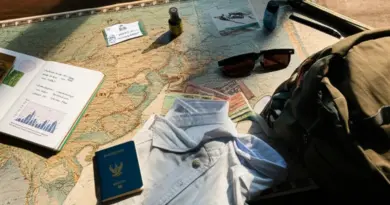
Unlike many Western national parks, trekking in Laos often requires specific permits that vary by province. Most protected areas, known as National Biodiversity Conservation Areas (NBCAs), require visitors to register at the provincial or district tourism office. These permits are essential for tracking visitor numbers and funding conservation efforts. If you are trekking independently (where allowed), ensure you have the correct paperwork to avoid fines or being turned back by village authorities.
The Vital Role of Local Guides
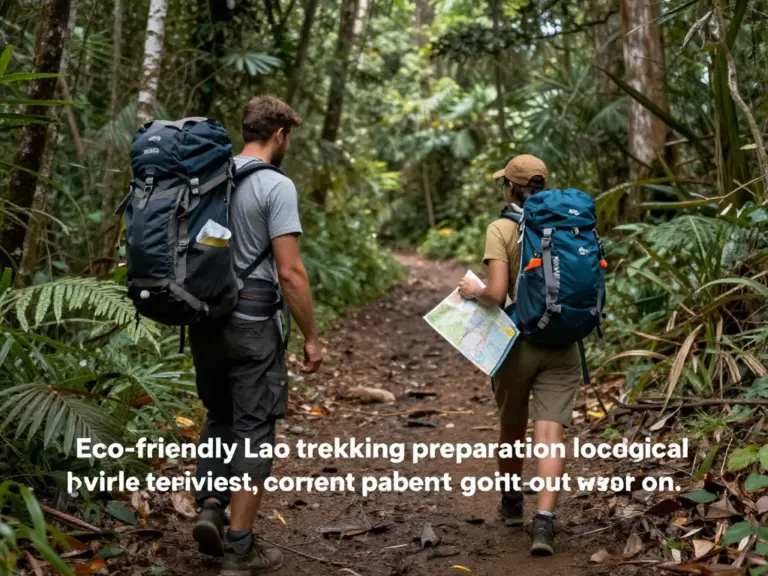
Hiring a local guide is perhaps the single most impactful way to ensure a successful low-impact trek. In Laos, guides act as cultural bridges. They possess intimate knowledge of the flora and fauna, understand the complex trail networks that aren’t on Google Maps, and facilitate respectful interactions with ethnic minority villages.
| Benefit | Description |
|---|---|
| Safety | Knowledge of terrain, weather patterns, and local wildlife. |
| Cultural Insight | Explaining local customs and preventing accidental taboos. |
| Economy | Directly supporting the local village economy and conservation. |
Essential Gear for Lao Hiking Areas
The tropical climate of Laos presents unique challenges. Your gear should be lightweight, durable, and environmentally friendly. Prioritize moisture-wicking fabrics over cotton, which stays wet and can lead to chafing or hypothermia in higher altitudes. High-quality hiking boots with good grip are non-negotiable for the often-slippery Lao clay paths.
- Footwear: Waterproof boots with ankle support.
- Hydration: Reusable water bottles with built-in filters (e.g., LifeStraw or Grayl) to eliminate plastic waste.
- Protection: Biodegradable sunscreen and insect repellent to protect local water sources.
- Clothing: Long sleeves and trousers to protect against leeches and brush.
Packing Out Waste: The Golden Rule
Waste management is a significant challenge in rural Laos. To conduct a true low-impact trek, you must be prepared to carry out everything you carry in. This includes food wrappers, hygiene products, and even organic waste like orange peels, which can take months to decompose in specific climates and may harm local wildlife.
คำถามที่พบบ่อย (FAQ)
Q1: Do I really need a guide for trekking in Laos?
A1: While some short trails near tourist hubs can be done solo, a guide is highly recommended for safety, navigation, and cultural respect in most Lao hiking areas.
Q2: How do I handle human waste in the jungle?
A2: Use established latrines in villages. In the wild, dig a ‘cathole’ at least 20cm deep and 60 meters away from any water source, and pack out your toilet paper.
Q3: What is the best time of year for a trek in Laos?
A3: The dry season (November to February) is ideal, offering cooler temperatures and firm trails. The rainy season (June to October) is lush but can be very muddy and challenging.
References
Official Laos Tourism Website
Leave No Trace Center for Outdoor Ethics
- Leave No Trace in Laos: Essential Trekking and Waterfall Etiquette for Responsible Travelers
- Why Leave No Trace Matters in Laos — Understanding Ecological, Cultural, and Community Impacts of Trekking and Waterfall Visits
- Minimizing Footprint at Waterfalls and Campsites — Trail Etiquette, Sanitation, Fire Safety, and Protecting Aquatic Ecosystems