Safety, Conservation, and Ethical Considerations: Wildlife Encounters, Local Community Benefits, and Responsible Tourism Tips
Laos, the ‘Land of a Million Elephants,’ offers some of Southeast Asia’s most authentic and raw nature experiences. However, with great beauty comes great responsibility. As travelers flock to the lush jungles of Luang Namtha or the elephant sanctuaries of Sayaboury, understanding responsible tourism tips becomes paramount to ensuring that these treasures remain for generations to come. This guide explores the intersection of safety, conservation, and ethical engagement within the context of Laos tourism.
Ethical Wildlife Encounters in Laos
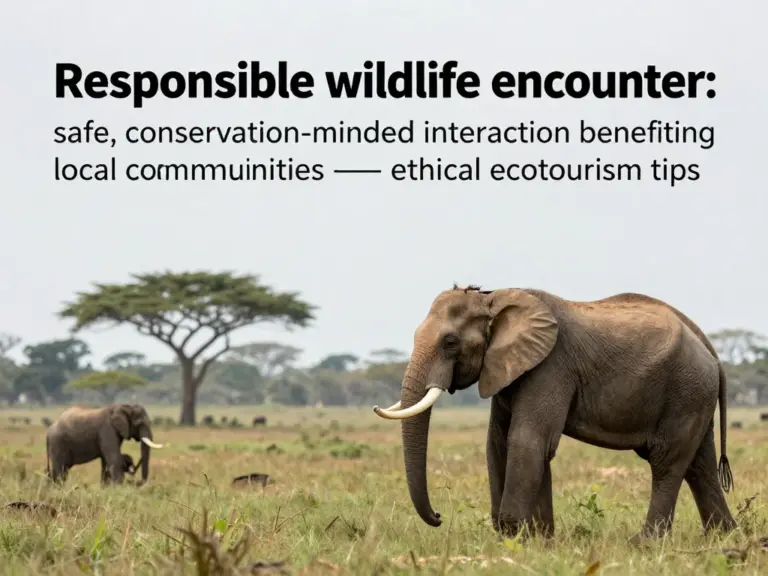
Wildlife tourism is a major draw for visitors to Laos, but it is a sector fraught with ethical complexities. For decades, elephants were used in the logging industry; today, many have transitioned into tourism. When choosing a wildlife experience, prioritize ‘observation-only’ models. Avoid any venue that offers elephant riding, performance shows, or forced interaction, as these often involve ‘phajaan’ (crushing the spirit) techniques.
Beyond elephants, Laos is home to the endangered Sun Bear and Moon Bear. Organizations like Free the Bears, located near the Kuang Si Falls, provide a safe haven for bears rescued from the illegal wildlife trade. Supporting these sanctuaries through entrance fees and donations directly contributes to conservation efforts rather than exploitation.
Safety and Conservation in the Wild
When trekking through the Nam Et-Phou Louey National Protected Area, safety is not just about the traveler; it’s about the habitat. Stick to marked trails to prevent soil erosion and avoid disturbing nesting sites. Laos still contains Unexploded Ordnance (UXO) from the Indochina War; therefore, hiring a local guide is not just an ethical choice to support the economy—it is a critical safety requirement.
- Never feed wild animals; it disrupts their natural diet and creates dependency.
- Use biodegradable sunscreen and insect repellent to protect aquatic ecosystems.
- Pack out all trash, including organic waste like fruit peels which can be invasive.
Maximizing Local Community Benefits
Responsible tourism tips often focus on the environment, but the human element is equally vital. In Laos, many ethnic minority groups live in remote areas where tourism is a primary source of income. To ensure your visit benefits them:
1. Stay in Homestays: Choosing a village homestay ensures that your money goes directly to the family rather than a foreign-owned hotel chain.
2. Buy Local Handicrafts: Purchase silk weavings or bamboo crafts directly from the artisans. Avoid ‘poverty tourism’ or taking photos of people without permission.
3. Eat Local: Frequent small ‘Lap’ stands and local markets. This supports the local supply chain and provides a more authentic culinary experience.
Ethical Considerations and Cultural Respect
Laos is a deeply Buddhist country with conservative values. Ethical tourism includes respecting the local ‘Sangha’ (monkhood). During the daily Alms Giving ceremony (Sai Bat) in Luang Prabang, maintain a respectful distance, dress modestly (shoulders and knees covered), and avoid using flash photography. Your behavior reflects on the entire traveling community and influences how locals perceive outsiders.
| Action | Impact | Ethical Rating |
|---|---|---|
| Elephant Riding | Spinal damage and trauma | ❌ Unethical |
| Village Homestays | Direct income to families | ✅ Highly Ethical |
| Buying Wildlife Products | Promotes poaching | ❌ Illegal & Unethical |
| Hiring Local Guides | Supports local expertise | ✅ Highly Ethical |
คำถามที่พบบ่อย (FAQ)
Q1: What are the most important responsible tourism tips for Laos?
A1: The most important tips include avoiding wildlife exploitation (like elephant riding), respecting local Buddhist customs, minimizing plastic waste, and ensuring your money stays within the local community by hiring local guides and staying in homestays.
Q2: Is it safe to trek in the jungles of Laos?
A2: Yes, provided you hire a certified local guide. Guides are essential for navigating terrain safely and avoiding areas that may still contain UXO (Unexploded Ordnance).
Q3: How can I tell if an elephant sanctuary is ethical?
A3: An ethical sanctuary will not allow riding, bathing with elephants (which can be stressful for them), or performances. They should focus on observation, education, and providing a natural habitat for the animals.
Q4: Why should I avoid giving candy or money to children in villages?
A4: While well-intentioned, it encourages begging and can discourage children from attending school. It is better to donate to established local schools or community funds.
References
- The Gibbon Experience: A Unique Treetop Adventure in the Bokeo Nature Reserve — Complete Guide for Planning, Safety, and Conservation Impact
- What to Expect on The Gibbon Experience: Routes, Zipline Camps, Duration, and Real Visitor Experiences
- How to Prepare for The Gibbon Experience: Booking, Packing, Physical Requirements, and Cost Breakdown