Leave No Trace in Laos: Essential Trekking and Waterfall Etiquette for Responsible Travelers
As the hidden gem of Southeast Asia, Laos offers some of the most pristine landscapes, from the misty mountains of Luang Namtha to the cascading turquoise waters of Kuang Si. However, the rapid growth of Laos Tourism brings a significant responsibility for every visitor. Embracing the ‘Leave No Trace’ principles is not just a suggestion; it is a vital practice to ensure that the natural beauty and cultural integrity of this land remain intact for generations to come. This guide explores how you can be a mindful explorer while trekking through jungles and swimming in sacred falls.
Understanding Leave No Trace in Laos Tourism
The concept of Leave No Trace (LNT) is built on seven core principles adapted to the specific environmental and cultural context of Laos. When participating in Laos Tourism, travelers must realize that many trekking routes pass through protected areas and ethnic village lands. Respecting the environment means respecting the livelihoods of the local people who depend on these forests and rivers.
1. Plan Ahead and Prepare
Before setting out, research your destination. Check local weather patterns and trail conditions. In Laos, the monsoon season can turn a simple trek into a hazardous journey. Always hire a local guide through a reputable eco-tour operator. Not only does this support the local economy, but guides also provide invaluable knowledge on local customs and safe paths.
Waterfall Etiquette: Preserving the Sacred Waters
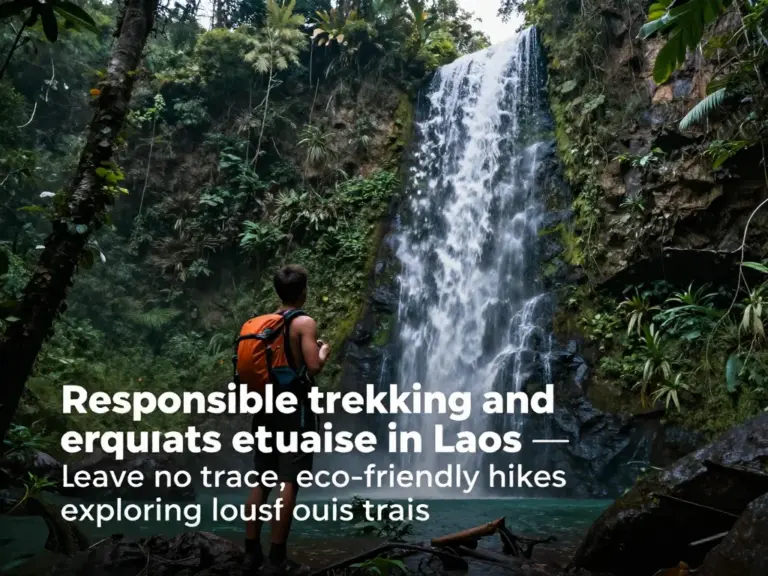
Waterfalls like Kuang Si and Tad Fane are crown jewels of Laos Tourism. To the Lao people, many of these sites are considered sacred or are vital water sources for nearby villages. Following proper etiquette ensures these sites remain clean and respected.
- Dress Modestly: Even when swimming, Lao culture is conservative. Wear a sarong or a t-shirt over your swimwear when not in the water, and avoid sunbathing topless.
- No Chemicals: Avoid using soaps or shampoos in the waterfalls. Even ‘biodegradable’ products can harm the delicate aquatic ecosystem.
- Pack It Out: If you bring snacks, ensure every piece of plastic or organic waste leaves with you.
Responsible Trekking: Walking Softly on the Land
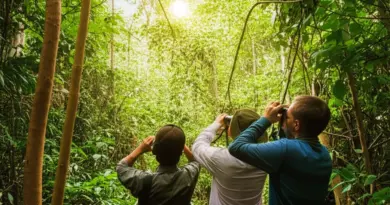
Trekking is a highlight of Laos Tourism, offering intimate glimpses into the country’s biodiversity. To minimize your impact, stick to established trails to prevent soil erosion. Walking single file in the center of the path, even when it’s muddy, prevents the trail from widening and destroying surrounding vegetation.
Respecting Wildlife and Flora
Laos is home to rare species like the Asian elephant and the clouded leopard. Observe wildlife from a distance and never feed animals, as this alters their natural behaviors and makes them dependent on humans. Furthermore, resist the urge to pick wild orchids or plants; take photos instead to keep the memory alive without removing the organism from its habitat.
| Action | Impact | Responsible Choice |
|---|---|---|
| Littering | Pollutes water and soil | Carry a reusable bag for trash |
| Off-trail hiking | Causes erosion | Stay on marked paths |
| Loud Noise | Disturbs wildlife/villagers | Keep voices low and enjoy nature |
Cultural Sensitivity in Remote Areas
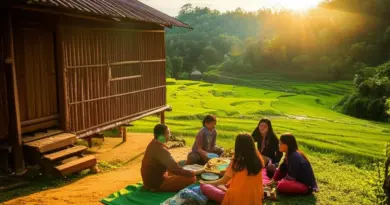
Responsible Laos Tourism involves more than just environmental care; it includes cultural preservation. When trekking through ethnic minority villages, always ask for permission before taking photos of people or their homes. Small gestures, like learning a few words of Lao (Sabaidee for hello), go a long way in building mutual respect.
คำถามที่พบบ่อย (FAQ)
What is the best time for trekking in Laos?
The dry season, from November to February, is ideal for trekking as the trails are dry and the temperatures are cooler.
Can I swim in all waterfalls in Laos?
No, some waterfalls are considered sacred or are off-limits for safety reasons. Always look for signage or ask your guide before entering the water.
Is it necessary to hire a guide for trekking?
Yes, hiring a guide is highly recommended for safety (due to UXO risks) and to ensure you are following local customs and staying on designated paths.
How should I handle my waste while trekking?
Follow the ‘Pack It In, Pack It Out’ rule. Anything you bring into the forest, including food scraps and tissues, should be carried back to a town with proper waste disposal facilities.
What should I wear when visiting waterfalls?
Modesty is key. While swimming is allowed in many areas, it is respectful to wear a t-shirt or wrap a sarong around you when walking around the site.
References
- Official Laos Tourism Website
- Leave No Trace Center for Outdoor Ethics
- World Nomads: UXO Safety in Laos
- Why Leave No Trace Matters in Laos — Understanding Ecological, Cultural, and Community Impacts of Trekking and Waterfall Visits
- Preparing for a Low-Impact Trek — Permits, Local Guides, Appropriate Gear, and Packing Out Waste in Lao Hiking Areas
- Minimizing Footprint at Waterfalls and Campsites — Trail Etiquette, Sanitation, Fire Safety, and Protecting Aquatic Ecosystems