Why Choose Phongsaly and the Nam Ou Valley? What Makes This Offbeat Route Worth a One-Week Trip
- Why Choose Phongsaly and the Nam Ou Valley? What Makes This Offbeat Route Worth a One-Week Trip
The Allure of Northern Laos: Why Phongsaly Stands Apart
While Luang Prabang charms visitors with its UNESCO status and Vang Vieng offers accessible adventure, Phongsaly Province exists in a different realm entirely. Located in the far north, bordering China and Vietnam, this region is characterized by rugged karst mountains, deep river gorges, and a rich tapestry of ethnic minority groups. For the traveler seeking genuine connection over curated experiences, Phongsaly is the answer. Choosing this destination signals a commitment to slow travel and authentic exploration.
Escaping the Tourist Trail
The sheer remoteness acts as a natural filter. Unlike the heavily trafficked routes further south, infrastructure here is basic, requiring resilience and patience. This difficulty, however, preserves the environment and the cultural integrity of the local communities, primarily the Akha, Hmong, and Khmu people. When you travel here, you are participating in a truly offbeat Lao adventure, far removed from souvenir shops and standardized tours.
A Journey Back in Time
The pace of life in the villages surrounding the Nam Ou River moves to the rhythm of the water and the seasons. Electricity might be intermittent, and the primary mode of transport remains the long-tail boat. This environment fosters deep reflection and allows travelers to witness traditional ways of life that are rapidly disappearing elsewhere in Southeast Asia. Our expertise in remote travel confirms that Phongsaly offers unmatched cultural depth.
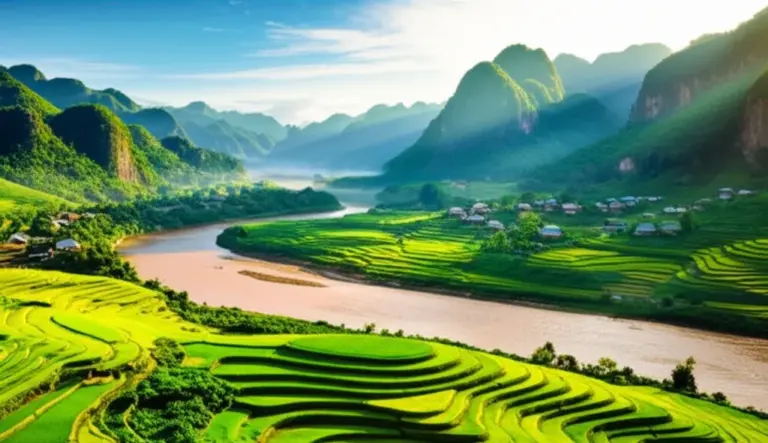
The Nam Ou River is the lifeline of this region, cutting dramatically through limestone cliffs and dense jungle. A multi-day boat journey along its course is often the centerpiece of any trip here. While the full journey from Phongsaly town to Nong Khiaw can take several days, a concentrated week allows travelers to experience the most spectacular middle sections.
The Iconic Boat Journey (Muang Khua to Nong Khiaw Segment)
The segment often favored for shorter trips starts near Muang Khua, heading downstream toward Nong Khiaw. This stretch is famous for its dramatic gorges, resembling Vietnam’s Ha Long Bay but set amidst towering green mountains. The journey itself is the destination, offering unparalleled views inaccessible by road. It’s a meditative experience, listening to the engine drone while watching life unfold on the banks.
Experience the Serenity of the Nam Ou
*Video showcasing the typical scenery and boat travel on the Nam Ou River.
Riverside Villages and Local Life
The boat stops frequently, allowing brief cultural exchanges in tiny riverside settlements. These villages are often home to specific ethnic groups, and observing their daily routines—fishing, farming, transporting goods—provides invaluable insight into traditional Lao riverine existence. Booking a trip that includes an overnight stay in a homestay along the river is highly recommended for an authentic experience.
Phongsaly Province: Beyond the River
While the river dominates the narrative, the province capital, Phongsaly Town (also known as Boun Tai), is the logistical hub and a cultural anchor point, situated high above the Nam Ou. It serves as a gateway to incredible trekking opportunities.
Trekking Through Ancient Tea Plantations
Phongsaly is home to some of the oldest cultivated tea trees in the world, some estimated to be over 400 years old. Trekking through these misty, high-altitude gardens is a unique activity. Expert local guides are essential here, as trails are unmarked and require knowledge of the terrain and local customs. These treks connect you directly to the agricultural heritage of the region.
Encountering the Akha and Ethnic Minorities
The diversity of ethnic groups is perhaps the greatest draw. The Akha, known for their elaborate headdresses and unique cultural practices, inhabit many of the highest villages accessible via trekking. Responsible tourism here means engaging respectfully, purchasing crafts directly from artisans, and understanding that you are a guest in their ancestral lands. This deep cultural interaction is what solidifies the value of a Phongsaly Nam Ou Valley one-week trip.
Exploring Phongsaly Town (Boun Tai)
Phongsaly Town itself offers a fascinating blend of traditional Lao architecture and remnants of Chinese influence due to its proximity to the border. Visit the central market in the early morning to witness the convergence of various tribes coming down from the hills to trade. It’s chaotic, colorful, and utterly authentic.
Structuring Your Perfect Phongsaly Nam Ou Valley One-Week Trip
A week is enough time to sample the best of both the town and the river, though it requires efficient travel planning. Here is a suggested framework to maximize your experience:
Days 1-2: Arrival and Phongsaly Town Exploration
Arrive via flight or overnight bus/minivan. Spend the first two days acclimatizing, securing permits (if necessary for specific treks), meeting guides, and exploring the town’s market and surrounding tea hills. This sets the foundation for cultural understanding.
Days 3-5: The Nam Ou River Expedition
Travel from Phongsaly town down to Muang Khua, arrange your boat, and spend three days moving downstream. Aim to organize at least one homestay experience in a village like Ban Sopkong or similar accessible locations. This focuses heavily on the river experience.
Days 6-7: Trekking and Departure Logistics
Upon reaching the lower boat terminus (usually near Nong Khiaw or a connecting point), dedicate Day 6 to a short, intense trek into a nearby Akha village specializing in tea cultivation. Day 7 is reserved for travel out of the region, perhaps continuing south to Nong Khiaw or back towards Oudomxay.
Practicalities for the Offbeat Traveler
To ensure a successful trip, preparation is key. As experts in remote Laos travel, we emphasize the following points for a rewarding Phongsaly Nam Ou Valley one-week trip:
- Logistics & Permits Essential
- Guide Requirement Mandatory for Trekking
- Health & Safety Vaccinations & Malaria Prophylaxis
- Connectivity Very Limited or None
Phongsaly is not a destination for casual tourism; it is an immersion. It demands respect for its isolation and its people. For those willing to embrace the challenge, the towering mountains and the silent flow of the Nam Ou River offer a profound glimpse into the authentic heart of Northern Laos, making that one week an investment that yields lifelong memories.
คำถามที่พบบ่อย (FAQ)
No, it requires commitment. Access usually involves either a domestic flight to Phongsaly town (Boun Tai) or a very long, arduous overnight bus/minivan journey from Luang Prabang or Udomxay. The travel time alone consumes the start of your week.
The dry season, generally from October through April, is highly recommended. This avoids the intense, muddy conditions of the monsoon season, ensuring safer trekking and more predictable river travel conditions.
Generally, yes, the main commercial routes are managed by experienced local captains. However, the river is powerful. Always ensure your boat is equipped with life vests, check the weather forecast before departing, and never attempt to travel during severe storms.
The primary cultural draw is encountering the Akha people, known for their distinctive traditional clothing and practices, especially in the high-altitude areas near Phongsaly town. Homestays offer the best opportunity for respectful interaction.
References
ASEAN Tourism Official Guide to Phongsaly
Guidance on Responsible Trekking in Northern Laos
- Offbeat Northern Laos: Phongsaly and Nam Ou Valley in One Week — Complete Itinerary, Practical Tips, and Cultural Insights
- How to Plan Your One-Week Itinerary: Day-by-Day Route, Transport Options, and Timing for Phongsaly & Nam Ou Valley
- Where to Stay and What to Expect: Accommodation, Local Food, Safety, and Cultural Etiquette in Northern Laos