Why Supporting Laotian Handloom Cooperatives Matters: Economic Impact, Cultural Preservation, and Community Development
- Why Supporting Laotian Handloom Cooperatives Matters: Economic Impact, Cultural Preservation, and Community Development
- The Economic Lifeline: Financial Impact on Rural Communities
- Cultural Preservation: Weaving the Fabric of Identity
- Community Development Beyond the Loom
- Where to Connect with Weavers (A Virtual Look)
- A Practical Guide for Responsible Textile Purchases
- Conclusion: Weaving a Better Future Together
- คำถามที่พบบ่อย (FAQ)
- What is the main difference between a handloom cooperative and a commercial textile shop in Laos?
- Are Laotian handloom textiles expensive compared to other souvenirs?
- Which specific ethnic groups in Laos are famous for their weaving traditions?
- How can I verify if a textile supports community development?
- References
For the modern traveler exploring the serene landscapes of Laos, the most meaningful souvenirs are often those woven with history and purpose. Supporting Laotian Handloom Cooperatives is not just about purchasing a beautiful textile; it is an essential act of responsible tourism that directly fuels local economies, safeguards irreplaceable cultural heritage, and fosters genuine community development across the nation. This article explores the profound significance of choosing authentic, ethically sourced handloom products during your journey through Laos.
The Economic Lifeline: Financial Impact on Rural Communities
Textile production, especially through traditional handloom weaving, remains a foundational source of income for many ethnic groups in Laos, particularly in rural and remote areas where alternative employment is scarce. When travelers purchase directly from established cooperatives, they bypass exploitative middlemen, ensuring that a significantly larger portion of the revenue remains within the community. This direct economic injection has transformative effects.
Empowering Women Through Fair Wages
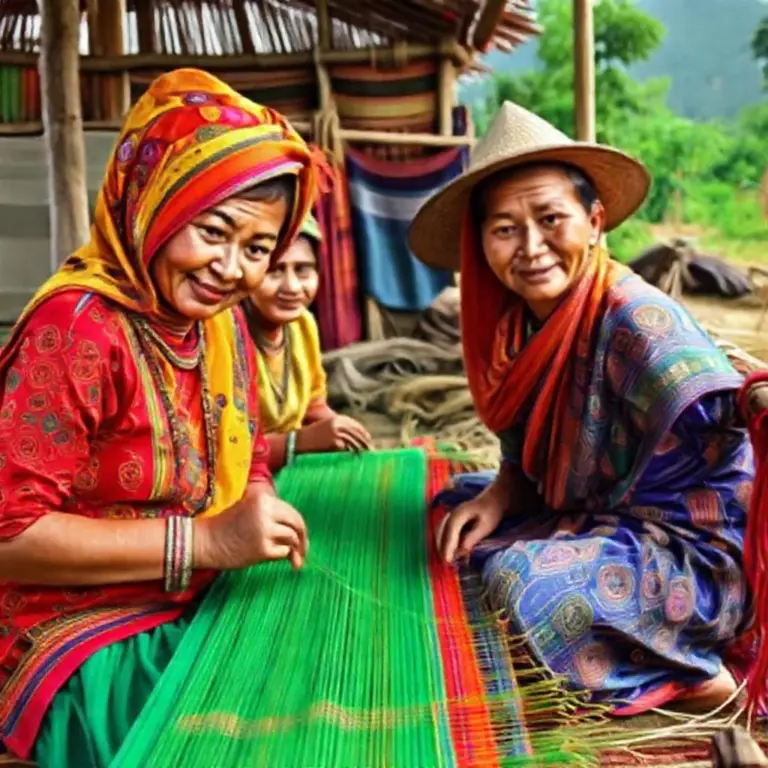
Weaving in Laos is predominantly a skill held and practiced by women. Cooperatives provide a structured, safe, and flexible working environment that respects traditional timelines, allowing weavers to balance their craft with domestic and agricultural responsibilities. By offering fair and consistent wages, these organizations achieve genuine female economic empowerment. This financial autonomy strengthens family units and increases women’s decision-making power within their households and villages.
Sustainable Business Models
Responsible cooperatives often adopt sustainable sourcing practices for their materials—utilizing natural dyes derived from local plants and responsibly managing raw material consumption. Tourists who prioritize Supporting Laotian Handloom Cooperatives are indirectly endorsing eco-friendly production methods over mass-produced, environmentally taxing alternatives.
Cultural Preservation: Weaving the Fabric of Identity
Laotian textiles are far more than mere cloth; they are living documents of history, cosmology, and social status. Each pattern, motif, and color combination—whether from the Tai Lue, Hmong, or Akha communities—tells a specific story unique to that ethnic group. The intricate process of creating these textiles, which can take weeks or months for a single piece, is a complex skill passed down orally through generations.
Safeguarding Intangible Heritage
Cooperatives act as vital cultural custodians. They actively document traditional patterns, organize workshops to teach younger members the ancient techniques, and ensure that the intellectual property of the designs remains with the originating community. By valuing the labor and artistry involved, tourists provide the incentive necessary to keep these traditions vibrant and relevant in the 21st century.
Showcasing Diversity for Laos Tourism
Laos is celebrated for its incredible ethnic diversity. Handloom textiles offer the most tangible and beautiful way for visitors to appreciate this diversity. From the vibrant geometric patterns of the Northern groups to the indigo-dyed silks of the South, purchasing these items directly supports the continuation of distinct artistic languages. This creates a richer, more authentic narrative for Laos Tourism.
Community Development Beyond the Loom
The benefits of supporting these cooperatives ripple outwards, impacting broader community development goals. Reliable income generated from textile sales allows families to invest in crucial areas often neglected in remote villages.
Investing in Education and Health
When income is stable, families can afford better nutrition, healthcare, and, crucially, education for their children. Many successful cooperatives reinvest a percentage of their profits into community infrastructure, such as improving local water access or contributing to school maintenance. This self-sustaining model builds community resilience far more effectively than temporary aid.
The Role of Ethical Sourcing in Tourism
Responsible travelers seek authentic experiences that leave a positive legacy. Choosing cooperatives over mass-market vendors aligns perfectly with modern ethical tourism standards. It ensures transparency in the supply chain and guarantees that your purchase contributes to dignified work rather than exploitation.
Where to Connect with Weavers (A Virtual Look)
While physical visits are ideal, understanding the process virtually can deepen appreciation. The following video offers a glimpse into the dedication required to maintain these ancient crafts:
This commitment to quality and tradition is what separates a genuine Laotian textile from a cheap imitation. The skill demonstrated here translates directly into economic stability for the artisan families.
A Practical Guide for Responsible Textile Purchases
As a tourist committed to ethical consumption, here are actionable steps you can take to maximize your positive impact:
- Seek Out Cooperative Shops: Visit established craft centers in Luang Prabang or Vientiane that explicitly state they work directly with rural weavers.
- Ask Questions: Inquire about the origin of the silk/cotton, the type of dyes used, and the time taken to create the piece. Knowledgeable vendors will be happy to share this context.
- Value the Time: Understand that an authentically hand-loomed shawl cannot compete in price with factory-made goods. Your willingness to pay a fair price is the core of Supporting Laotian Handloom Cooperatives.
- Look for Natural Dyes: Textiles dyed with natural ingredients (like indigo or turmeric) often have a deeper, more complex hue that ages beautifully.
Conclusion: Weaving a Better Future Together
Every purchase made with intention weaves a stronger thread into the social and economic tapestry of Laos. By choosing to support handloom cooperatives, travelers transform their spending into a powerful tool for cultural preservation and sustainable community development. These beautiful, labor-intensive artifacts serve as tangible reminders of a journey taken responsibly, ensuring that the ancient art of Laotian weaving continues to thrive for generations to come.
คำถามที่พบบ่อย (FAQ)
What is the main difference between a handloom cooperative and a commercial textile shop in Laos?
The main difference lies in the supply chain and pricing structure. Cooperatives ensure that the majority of the profit goes directly to the artisans, offering fair wages and often promoting sustainable practices. Commercial shops may involve multiple middlemen, reducing the economic benefit to the original weaver.
Are Laotian handloom textiles expensive compared to other souvenirs?
Yes, authentic, high-quality handloom textiles are generally more expensive because they represent weeks or months of skilled labor, use natural and sometimes rare materials, and involve complex dyeing processes. The higher cost reflects fair compensation for the artisan.
Which specific ethnic groups in Laos are famous for their weaving traditions?
Several groups are renowned, including the Tai Lue (known for detailed supplementary weft work, often seen near Luang Namtha), the Hmong (known for intricate embroidery and batik), and various Lao-Tai groups who excel in silk weaving and natural dyeing.
How can I verify if a textile supports community development?
Ask vendors directly about the source. Look for shops that display information about the village or cooperative they work with, or those that explicitly mention reinvesting profits into community projects like education or healthcare.
References
- UNESCO Intangible Cultural Heritage of Laos
- ASEAN Socio-Cultural Community Initiatives
- Fair Trade Federation Guidelines for Handicrafts
- Supporting Laos’ Handloom Cooperatives: How Your Kip Can Empower Artisans, Preserve Culture, and Drive Sustainable Livelihoods
- How Your Kip Directly Benefits Artisans: Transparency, Fair Trade Pricing, and Cooperative Revenue Models
- Ways to Support Beyond Purchases: Ethical Buying, Micro-donations, Volunteering, and Responsible Tourism