Dolphin Spotting on the Mekong: Where to See Irrawaddy Dolphins, Best Times, Responsible Tour Operators, and What to Expect
- Dolphin Spotting on the Mekong: Where to See Irrawaddy Dolphins, Best Times, Responsible Tour Operators, and What to Expect
- The Elusive Irrawaddy Dolphin: A Mekong Treasure
- Where to Spot Irrawaddy Dolphins: Focus on Cambodia
- Optimizing Your Dolphin Encounter: Best Times to Visit
- Journeying Responsibly: Choosing Ethical Tour Operators
- What to Expect During Your Dolphin Watching Experience
- Conclusion: A Call for Conservation and a Memorable Journey
- คำถามที่พบบ่อย (FAQ)
The Mekong River, a lifeline for millions across Southeast Asia, harbors a hidden gem: the elusive Irrawaddy dolphin. For travelers seeking a truly unique wildlife experience, spotting these gentle creatures in their natural habitat is an unforgettable adventure. While once more widespread, the population of Irrawaddy Dolphins Mekong has dwindled, making responsible tourism crucial for their survival. This guide will provide comprehensive insights into where and when to find them, how to choose ethical tour operators, and what you can expect from this awe-inspiring encounter.
The Elusive Irrawaddy Dolphin: A Mekong Treasure
The Irrawaddy dolphin (Orcaella brevirostris) is a species of oceanic dolphin found in discontinuous subpopulations near sea coasts and in three major river systems: the Ayeyarwady (Myanmar), Mahakam (Indonesia), and the Mekong. These freshwater populations are critically endangered, facing immense pressure from human activities [3, 7]. Regarded as a national treasure in Cambodia, their presence is also a vital indicator of the Mekong River’s overall ecological health [8, 10].
Unique Characteristics and Critical Status
Unlike their more boisterous marine cousins, Irrawaddy dolphins are known for their shy demeanor and distinctive appearance. They possess a bulging forehead, a short, rounded beak, and a flexible neck, giving them a unique, almost beluga-like, profile [23, 32]. They are typically blue-grey and can grow up to 2.5 meters in length, weighing around 200 kg [14]. Their conservation status is dire; the species as a whole is listed as Endangered, while the three riverine subpopulations, including those in the Mekong, are all classified as Critically Endangered by the IUCN Red List [3, 7, 8]. The Mekong population, estimated at approximately 92 individuals, represents the largest of the remaining freshwater populations globally [10, 38].
Why They Matter: Ecology and Culture
The protection of the Irrawaddy Dolphins Mekong is paramount for the health of the entire river ecosystem. As apex predators, they play a crucial role in maintaining the balance of fish populations and acting as a natural quality control measure against disease spread [8]. Beyond their ecological significance, these dolphins hold deep cultural value for the Khmer and Lao people, often regarded as sacred animals and a source of income through ecotourism [10]. Their decline signals broader issues within the Mekong, impacting the millions who depend on its waters for daily life and sustenance [6, 8].
Where to Spot Irrawaddy Dolphins: Focus on Cambodia
While historically found in various parts of the lower Mekong, including the Laos-Cambodia border and even into Vietnam, the range of Irrawaddy dolphins has significantly shrunk [6, 13]. Today, the most reliable and virtually only place to witness these remarkable creatures is within Cambodia.
Kratie Province, Cambodia: The Primary Sanctuary
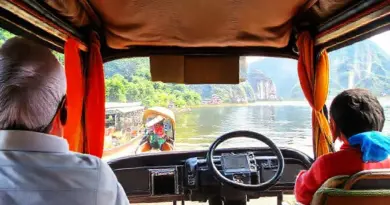
The town of Kratie, particularly an area called Kampi, located about 15 km north of Kratie, is the undisputed heartland for Irrawaddy dolphin spotting in the Mekong [2, 5, 23, 31]. This 180 km stretch of the Mekong River, from Kratie up to the Laos border, is where the remaining population congregates, especially in nine deep pools during the dry season [3, 16, 24]. Local boat tours from Kampi offer excellent opportunities for sightings, and ethical operators are well-versed in navigating these waters respectfully [2, 29].
The Situation in Laos: A Painful Extinction
For those interested in Irrawaddy Dolphins Mekong from a Laos Tourism perspective, it’s crucial to understand the current situation. Sadly, Irrawaddy dolphins are now functionally extinct in Laos. The last known individual in the transboundary pool between Cambodia and Laos died in February 2022, confirming the species’ extinction in Lao waters [11, 34, 37, 38]. While ecotourism efforts once existed to see them near the Laos-Cambodia border (Siphandone/Khone Falls area), these tours have ceased due to the dolphins’ disappearance [37]. Therefore, dolphin spotting is no longer an activity that can be undertaken from Laos.
Optimizing Your Dolphin Encounter: Best Times to Visit
Timing is everything when it comes to increasing your chances of a successful dolphin sighting.
Seasonal Sweet Spot: The Dry Season Advantage
The best time to visit Kratie for dolphin watching is during the dry season, which typically runs from November or December to May [4, 5, 14, 16]. During these months, water levels in the Mekong River are lower, causing the dolphins to congregate in the deeper pools, making them easier to spot [4, 16]. The months of January to April are particularly ideal, offering calm waters and clearer visibility [4].
Daily Rhythms: Morning and Late Afternoon
Within the dry season, early mornings (around 7:00 AM to 10:00 AM) and late afternoons (from 3:00 PM to 5:00 PM) are considered the peak times for dolphin activity [4, 14, 23]. During these periods, the dolphins are often more active, surfacing more frequently to breathe and socialize.
Journeying Responsibly: Choosing Ethical Tour Operators
Responsible tourism is paramount to the survival of the Irrawaddy Dolphins Mekong. Your choice of tour operator can directly impact conservation efforts and local communities.
Identifying Responsible Tourism Initiatives
Look for operators who prioritize the dolphins’ well-being. This includes maintaining a respectful distance from the dolphins, avoiding loud noises, and limiting the number of boats in the viewing area. Kayaking tours, such as those offered by Dolphin Kayaking Adventures in Kratie, are often highlighted as eco-friendly options, providing a quieter and less intrusive way to observe the dolphins [26, 32]. These tours often employ local guides who are passionate about conservation.
Supporting Conservation and Local Communities
Many responsible tour operators work in conjunction with conservation organizations like WWF, which has a significant presence in the Mekong region dedicated to protecting Irrawaddy dolphins [6, 8, 10, 21]. By choosing these operators, you directly contribute to funding anti-poaching patrols, community education programs, and alternative livelihood initiatives that reduce pressure on dolphin populations [35]. Supporting local guides and businesses also ensures that the economic benefits of tourism are shared within the communities that live alongside these dolphins, fostering a greater incentive for conservation [9, 35].
What to Expect During Your Dolphin Watching Experience
A dolphin spotting tour on the Mekong is a truly special experience, but it’s important to set realistic expectations.
Observing These Gentle Giants
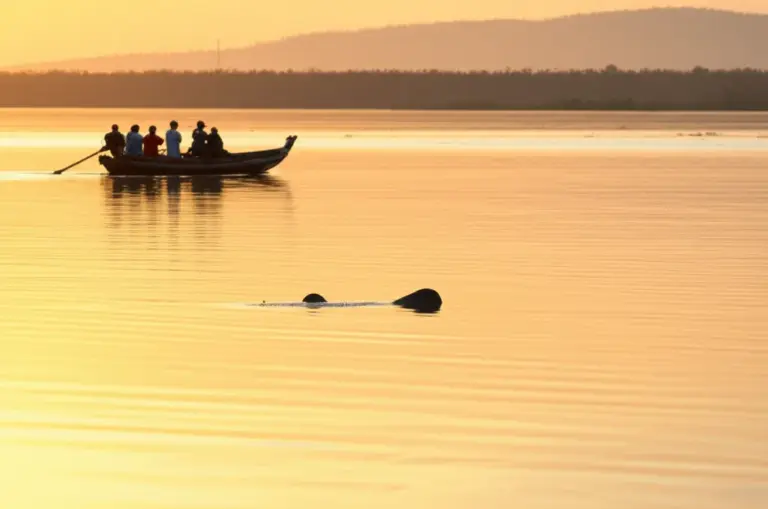
Irrawaddy dolphins are not known for acrobatic displays like some marine dolphins. Instead, you’ll likely observe them surfacing gracefully for air, their distinctive rounded heads and small dorsal fins briefly breaking the water [23, 32]. Patience is key, as sightings are not guaranteed, but local guides are adept at positioning boats for the best viewing opportunities [5, 16, 29]. The experience is often described as peaceful and serene, a quiet communion with nature. Remember to bring binoculars for a closer look and a camera with a good zoom, but be mindful of flashes, which can disturb the animals.
Beyond the Dolphins: The Richness of the Mekong
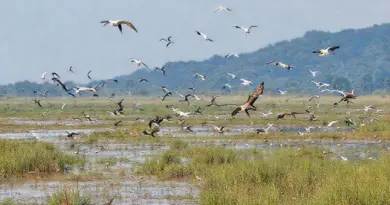
Even if dolphin sightings are brief, the journey itself is rewarding. The Mekong River is a vibrant ecosystem, home to a diverse array of flora and fauna. You’ll witness the daily life of riverside communities, observe diverse birdlife, and experience the tranquil beauty of one of the world’s great rivers [15, 17, 27, 28]. The serene landscapes and cultural immersion add immense value to the overall experience, making it much more than just a search for dolphins.
Conclusion: A Call for Conservation and a Memorable Journey
Dolphin spotting on the Mekong offers a profound opportunity to connect with nature and contribute to the conservation of a critically endangered species. By choosing Cambodia’s Kratie Province, visiting during the optimal dry season, and engaging with responsible tour operators, you can ensure your trip is both memorable and meaningful. While the Irrawaddy Dolphins Mekong face significant challenges, every responsible visit helps raise awareness and provides crucial support for their continued survival in this magnificent river system.
คำถามที่พบบ่อย (FAQ)
References
- A Couple’s Calling – Where To Find The Endangered Irrawaddy Dolphins In Cambodia
- IUCN Cetacean Specialist Group – Mekong River Irrawaddy dolphins
- Travelsetu.com – Best Time to Visit Irrawaddy Dolphins in the Mekong River, Kratie
- Area Cambodia – The Ultimate Travel Guide: Knowing When to Visit Cambodia’s Mekong River Irrawaddy Dolphins at Kampi Village in Kratie Province
- WWF-Cambodia – The Irrawaddy Dolphin and Mekong River Conservation
- River Dolphins.org – Irrawaddy dolphin
- Panda.org – Conservation of Mekong Irrawaddy Dolphins
- WWF – Conservation of the Mekong Irrawaddy Dolphin along the Lao-Cambodia Border
- WWF – Irrawaddy Dolphin
- Wikipedia – Irrawaddy dolphin
- YouTube – The Critically Endangered Irrawaddy Dolphins of the Mekong River (Full Length)
- WWF Greater Mekong – Irrawaddy dolphins
- Soriyabori Resort – The Mekong dolphins
- The Australian Museum Blog – Discovering the biodiversity of the Greater Mekong
- Indochina Charm Travel – Tips for Watching Irrawaddy Dolphins in Mekong River on Cambodia Tour
- WWF-Laos – These Amazing Species Are Found in Greater Mekong
- YouTube – Endangered Mekong River Irrawaddy Dolphins
- YouTube – The Mekong Irrawaddy Dolphins
- YouTube – The Mekong Irrawaddy Dolphins
- YouTube – Mekong River Dolphins and People: Shared River, Shared Future
- WWF – Discovering the Greater Mekong
- Tourism Cambodia – Irrawaddy Dolphins, Attraction in Kratie
- ResearchGate – Location map of Cambodia (left image). Location map of the Kratie to…
- Travelsetu.com – Irrawaddy Dolphins In The Mekong River (Kratie) Tourist Map
- Dolphin Kayaking Adventure – Kratie – Cambodia
- WWF – The Mekong | Magazine Articles
- WWF – Mekong River | Greater Mekong | Places
- Adventure Travel Cambodia – 1-Day Kratie Lifestyle, Local Productions & Dolphin Watching Tour
- Ann Tours – Irrawaddy Dolphin
- The Planet Edit – The Irrawaddy Dolphin: Dolphin Watching In Kratie, Cambodia
- Wait Where Is She – How to see Irrawaddy river dolphins in Kratie, Cambodia: Kayaking the Mekong
- Asia Tours – Spot Irrawaddy Dolphins in natural habitat in Kratie
- BKK Tribune – Death of last river dolphin in Laos rings alarm bells for Mekong population
- Mekong Discovery Trail by Locals – Responsible Tourism
- Panda.org – Irrawaddy dolphins functionally extinct in Laos: WWF
- Mongabay – Death of last river dolphin in Laos rings alarm bells for Mekong population
- Laotian Times – Newborn Irrawaddy Dolphin Spotted in Cambodia, Signaling Hope for Endangered Species
- Panda.org – Mekong River Dolphin Death Reduces Lao National Population to Five Individuals
- The 4000 Islands (Si Phan Don): The Ultimate Guide to Island Hopping, Dolphin Spotting, and Slow-Travel Adventures
- Where Are the 4000 Islands? Getting to Si Phan Don, Best Seasons to Visit, and Practical Travel Tips for First-Time Visitors
- Island Hopping Around Don Det, Don Khone, and Don Khong: Ferry Schedules, Day Trips, Bike Routes, and Hidden Beaches