Planning Your Visit: Best Times, Tickets, Tours, Accessibility, and Local Etiquette in Luang Prabang
- Planning Your Visit: Best Times, Tickets, Tours, Accessibility, and Local Etiquette in Luang Prabang
- The Best Time to Visit Luang Prabang: Climate and Crowds
- Navigating Tickets and Entry Fees
- Essential Tours and Activities
- Accessibility Considerations in Luang Prabang
- Local Etiquette: Respecting Lao Culture
- A Note on Local Geography
- คำถามที่พบบ่อย (FAQ)
- Is it safe to drink tap water in Luang Prabang?
- How many days are sufficient for Luang Prabang?
- What is the local currency and where can I exchange money?
- Is haggling expected at the night market?
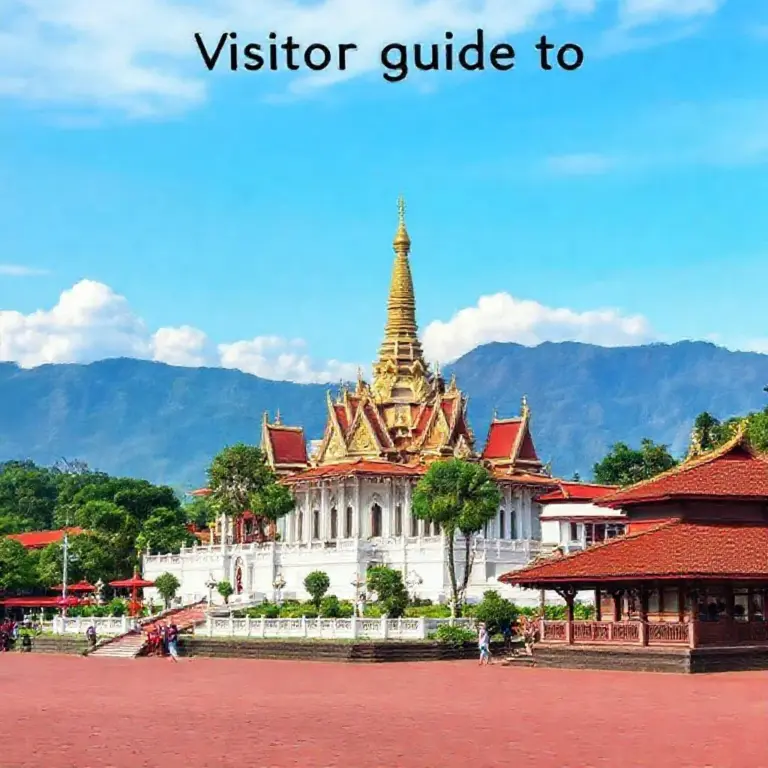
Welcome to Luang Prabang, the spiritual heart of Laos. This UNESCO World Heritage city captivates travelers with its stunning blend of gilded temples, French colonial architecture, and the serene flow of the Mekong River. Planning Your Visit: Best Times, Tickets, Tours, Accessibility, and Local Etiquette in Luang Prabang is crucial to ensuring you experience the full magic of this ancient capital. This comprehensive guide offers the expertise you need for a flawless Lao adventure.
The Best Time to Visit Luang Prabang: Climate and Crowds
Determining the best time to visit Luang Prabang largely depends on your tolerance for heat and rain. The Lao climate is tropical, divided into three main seasons.
Dry Season (October to April)
This is peak tourist season. The weather is comfortably warm, dry, and sunny, making outdoor activities like trekking and temple exploration ideal.
- Cooler Months (November to February): Temperatures are pleasant (20°C to 28°C). This is arguably the best time for sightseeing, though hotel prices peak around New Year’s.
- Hot Months (March to April): Temperatures can soar above 35°C. Be prepared for intense heat, especially midday. This period often coincides with the Lao New Year (Pi Mai Lao) celebrations in April, a vibrant, if humid, time to visit.
Wet Season (May to September)
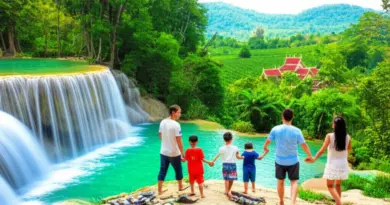
Rainfall is heavy, usually in short, intense afternoon downpours rather than all-day drizzles. The upside? Lush, vibrant green landscapes, fewer crowds, and lower accommodation costs. Waterfalls like Kuang Si are at their most powerful.
While many areas in the UNESCO core zone are free to explore, key attractions require an entry fee. Understanding the ticketing system is essential for efficient travel budgeting.
Major Attraction Ticketing
Most temples (Wats) charge a nominal fee, typically 10,000 to 30,000 LAK, to maintain the structures. Always carry small denominations of Lao Kip (LAK).
The Alms Giving Ceremony (Tak Bat)
While the ceremony itself is free, it is vital to observe respectful conduct. Do not pay for a ‘spot’ or aggressively photograph the monks. If you wish to participate by offering sticky rice, purchase it from a reputable local vendor beforehand and follow their guidance explicitly. Remember: this is a sacred religious practice, not a tourist spectacle.
Essential Tours and Activities
Luang Prabang’s charm is best unlocked through curated experiences. Booking tours locally often supports smaller enterprises, but reputable online agencies can secure popular slots.
Top Recommended Experiences
- Kuang Si Falls Excursion: Essential. Book a shared minivan or private tuk-tuk early in the morning (around 8:30 AM) to beat the midday crowds.
- Mekong River Sunset Cruise: Look for sunset tours that focus on viewing the confluence of the Mekong and Nam Khan rivers, perhaps including a stop at the Pak Ou Caves.
- Cooking Classes: Many reputable schools offer half-day sessions focusing on traditional Lao cuisine, often including a market visit.
- Mount Phousi Climb: Best done at sunrise or sunset for panoramic views, though be prepared for the 300+ steps!
For a deeper dive into the local landscape and history, consider booking a guided tour that incorporates the Plain of Jars (though this requires an overnight trip outside the immediate area).
To understand the spiritual significance of the city’s landmarks, a local guide is invaluable. You can find reputable tour operators through the official Lao National Tourism Agency website or established hotel desks.
Accessibility Considerations in Luang Prabang
Luang Prabang, while charming, is an ancient city built on cobblestones and uneven terrain. Travelers with mobility challenges should approach Planning Your Visit: Best Times, Tickets, Tours, Accessibility, and Local Etiquette in Luang Prabang with realistic expectations regarding infrastructure.
Walking and Sidewalks
Sidewalks are often narrow, poorly maintained, or non-existent. The main peninsula area is relatively flat, but navigating busy streets requires constant vigilance. Wheelchair access is severely limited, particularly inside temples and traditional buildings.
Transportation Accessibility
- Tuk-Tuks: Standard tuk-tuks are not accessible for wheelchairs. Negotiate fares clearly before boarding.
- Taxis/Private Cars: For those requiring vehicle access, hiring a private car with a driver for the day is the best option, though you must confirm vehicle suitability in advance.
- Kuang Si Falls: The path down to the main swimming areas can be slippery and steep. Accessible restrooms are rare.
Local Etiquette: Respecting Lao Culture
Adhering to local customs is paramount to having a positive interaction with the Lao people. Respect for Buddhism and Lao hierarchy forms the backbone of social interaction.
Temple Etiquette (Wat Protocol)
When visiting any Wat:
- Dress Modestly: Shoulders and knees must be covered for both men and women. Bring a light scarf or sarong.
- Remove Shoes: Always remove your shoes before entering temple halls or monks’ residences.
- Do Not Point Feet: Never point the soles of your feet towards a Buddha image or a monk, as feet are considered the lowest part of the body.
General Social Etiquette
| Action | Etiquette Rule | Icon |
|---|---|---|
| Greeting | Use the ‘Nop’ (prayer-like gesture) instead of shaking hands, especially with elders or monks. | |
| Touching Heads | Do not touch a Lao person’s head, regardless of age, as it is considered the most sacred part of the body. | |
| Public Displays of Affection | Keep public displays of affection (PDA) minimal. | |
| Monks | Women must never touch a monk or pass anything directly into his hands. |
When giving or receiving anything—money, a business card, a gift—use both hands or your right hand only. This shows respect and sincerity.
A Note on Local Geography
To help orient yourself during your trip, here is a map view of the central peninsula area:
คำถามที่พบบ่อย (FAQ)
Here are answers to common queries related to your travel planning.
References
For further detailed planning, consult official tourism resources.
- UNESCO Laos: A Heritage Trail Through Luang Prabang’s Old Town — Complete Visitor’s Guide and Walking Route
- History and Significance of Luang Prabang’s Old Town: UNESCO Inscription, Cultural Heritage, and Key Monuments
- Self-Guided Walking Route: Detailed Heritage Trail Map, Landmark Descriptions, and Photo Stops in Old Town