Types of Homestays and Typical Amenities — From Remote Village Stays to Eco-Friendly Bungalows and What’s Included
- Types of Homestays and Typical Amenities — From Remote Village Stays to Eco-Friendly Bungalows and What’s Included
- The Allure of Homestays in Laos
- Exploring Diverse Types of Homestays and Typical Amenities
- What to Expect: Typical Amenities Across Homestay Types
- Choosing Your Ideal Homestay in Laos
- คำถามที่พบบ่อย (FAQ)
- Q1: What is the main difference between a guesthouse and a traditional homestay in Laos?
- Q2: Are homestays in Laos suitable for families with young children?
- Q3: What should I bring for a homestay in a remote Lao village?
- Q4: Is it customary to bring a gift for my host family in a Lao homestay?
- Q5: How can I ensure my homestay choice is genuinely eco-friendly?
- References
Laos, the land of a million elephants, offers an enchanting escape for travelers seeking more than just standard hotel stays. For those yearning for genuine cultural immersion and a deeper connection with local life, homestays are an unparalleled option. Understanding the different types of homestays and typical amenities available, from remote village stays to eco-friendly bungalows, is crucial for planning your perfect Laotian adventure. This guide delves into the diverse accommodation experiences you can find across Laos, detailing what to expect and what’s typically included.
The Allure of Homestays in Laos
Choosing a homestay in Laos is an invitation to step away from the tourist trail and into the heart of local communities. It’s an opportunity to live like a local, share meals with families, and participate in daily routines. This form of accommodation not only supports local economies directly but also provides an invaluable cultural exchange that few other travel options can match. From the bustling streets of Luang Prabang to the tranquil villages nestled along the Mekong, each homestay offers a unique glimpse into the country’s rich traditions and warm hospitality.
Exploring Diverse Types of Homestays and Typical Amenities
Laos boasts a variety of homestay experiences, each catering to different preferences for comfort, immersion, and adventure. Here, we explore the most common types of homestays and typical amenities you’ll encounter.
Remote Village Homestays: Authentic Immersion
These are perhaps the most profound homestay experiences, offering a deep dive into traditional Lao village life. Often located in ethnic minority communities in the northern mountains or along remote rivers, these stays are characterized by their simplicity and authenticity. Guests typically sleep in a designated area of a family home, which might be a wooden stilt house.
- Accommodation: Basic sleeping arrangements, often a mattress on the floor with a mosquito net, shared with the host family or in a communal room.
- Meals: Almost always included and communal, featuring fresh, locally sourced Lao cuisine cooked by the family. Expect sticky rice, various curries, and fresh vegetables.
- Bathrooms: Very basic, often shared outdoor facilities or a simple squat toilet. Cold bucket showers are common. Hot water is a luxury.
- Electricity/Connectivity: Limited or non-existent. Charging points might be scarce. WiFi is rare, offering a true digital detox.
- Activities: Participating in daily village life – farming, fishing, cooking, weaving, or visiting local schools. Trekking and exploring the surrounding nature are also popular.
- Audience: Adventurous travelers seeking deep cultural exchange, comfortable with basic living conditions, and eager to disconnect.
Eco-Friendly Bungalows & Retreats: Sustainable Comfort
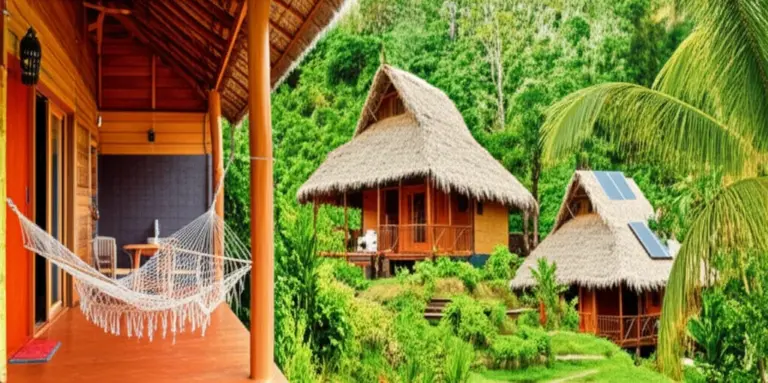
For those who appreciate nature and sustainability without sacrificing comfort, eco-friendly bungalows and retreats are an excellent choice. These are often built with natural materials, designed to blend seamlessly with the environment, and implement sustainable practices like solar power, rainwater harvesting, and organic farming. While not always in a family home, they offer a personal, community-focused experience.
- Accommodation: Private bungalows or cabins, often with stunning views, built from bamboo, wood, or other local materials. Beds are typically comfortable.
- Meals: Often farm-to-table, organic, and locally sourced. Some offer cooking classes.
- Bathrooms: Usually private, Western-style, with hot water often available, sometimes solar-heated.
- Electricity/Connectivity: Solar-powered electricity is common. WiFi might be available in common areas or limited to certain hours.
- Activities: Yoga, meditation, organic farming workshops, nature walks, river activities, wellness programs.
- Audience: Eco-conscious travelers, those seeking tranquility, wellness enthusiasts, and couples looking for a serene escape.
Farm Stays: Rural Charm and Agricultural Experience
Farm stays offer a unique opportunity to experience rural Lao life firsthand, often participating in agricultural activities. These are frequently found in the countryside surrounding towns like Luang Prabang or Vang Vieng, allowing guests to engage with the land and its bounty.
- Accommodation: Varies from simple rooms within a farmhouse to dedicated bungalows on the property.
- Meals: Abundant fresh produce from the farm. Farm-to-table meals are a highlight, often prepared with guest participation.
- Bathrooms: Can range from shared basic facilities to private en-suite options, depending on the establishment.
- Electricity/Connectivity: Generally available, though WiFi might be spotty or limited to common areas.
- Activities: Rice planting or harvesting, gardening, animal care, cooking classes, fishing, trekking through fields.
- Audience: Families, educational travelers, food enthusiasts, and anyone interested in sustainable living and agricultural practices.
Guesthouse Homestays: A Blend of Local and Convenience
Many guesthouses in Laos, particularly in more developed areas, are family-run operations that offer a homestay-like feel. While they might not be as deeply immersive as a remote village stay, they provide a comfortable middle ground, combining local hospitality with more conventional amenities.
- Accommodation: Private rooms, often with en-suite bathrooms, air conditioning or fan, and sometimes a small balcony.
- Meals: Breakfast is often included, and many guesthouses have their own restaurant or kitchen serving local dishes.
- Bathrooms: Typically private, Western-style, with hot water.
- Electricity/Connectivity: Reliable electricity and WiFi are usually standard.
- Activities: Hosts often provide excellent local advice, help arrange tours, and might offer insights into local culture.
- Audience: Budget travelers, those seeking a balance of local experience and comfort, and first-time visitors to Laos.
What to Expect: Typical Amenities Across Homestay Types
While the specific amenities vary greatly depending on the homestay type and its location, some general expectations can help you prepare for your trip to Laos.
- Bedding: Expect anything from a thin mattress on the floor with a mosquito net in remote areas to comfortable beds with clean linens in guesthouse-style homestays. Always bring your own sleep sack if you prefer extra comfort or hygiene.
- Meals: Most homestays include at least one meal, often breakfast, and many remote ones include all meals. These are typically communal, featuring authentic Lao dishes. Dietary restrictions should be communicated in advance, but flexibility is key.
- Bathrooms: This is where the biggest differences lie. Prepare for squat toilets and cold bucket showers in rural settings. More established homestays or guesthouses will offer Western-style toilets and hot showers. Always carry your own toiletries and hand sanitizer.
- Electricity & WiFi: In remote villages, electricity might be limited to a few hours a day, often powered by generators or solar panels. WiFi is a luxury and might only be available in common areas or not at all. Embrace the digital detox!
- Water: Bottled water is usually available for purchase, or hosts might provide filtered water. Avoid drinking tap water directly.
- Activities & Guidance: Hosts are often your best resource for local insights, helping you arrange activities like trekking, cooking classes, or visits to nearby attractions. This personal interaction is a cornerstone of the homestay experience.
- Hospitality: Regardless of the amenities, expect genuine warmth and hospitality. Laotians are known for their gentle nature and welcoming spirit.
Here’s a glimpse into a typical homestay experience:
Choosing Your Ideal Homestay in Laos
To select the perfect homestay, consider your priorities:
- Budget: Homestays are generally very affordable, ranging from a few dollars a night in remote villages to slightly higher for eco-bungalows with more amenities.
- Comfort Level: Be honest with yourself about how much comfort you require. If shared bathrooms and basic bedding are deal-breakers, opt for guesthouse-style homestays or eco-retreats.
- Desired Immersion: How deep do you want to dive into local life? Remote village stays offer maximum immersion, while guesthouses provide a lighter touch.
- Location: Do you want to be near a major town like Luang Prabang or Vientiane, or are you seeking the tranquility of a remote village?
Research specific homestays through reputable booking sites, travel blogs, and local tour operators. Reading reviews is crucial to understand what previous guests experienced. Remember, flexibility and an open mind will significantly enhance your homestay experience in Laos. Embrace the unexpected, engage with your hosts, and you’ll leave with unforgettable memories and a deeper appreciation for this beautiful country.
คำถามที่พบบ่อย (FAQ)
Q1: What is the main difference between a guesthouse and a traditional homestay in Laos?
A traditional homestay, especially in remote villages, involves staying directly within a local family’s home, often sharing facilities and participating in daily life for a deep cultural immersion. Guesthouses, while often family-run, typically offer private rooms with more standard amenities, providing a blend of local hospitality and conventional comfort, with less direct immersion into family routines.
Q2: Are homestays in Laos suitable for families with young children?
It depends on the type of homestay and the family’s comfort level. Farm stays or guesthouse-style homestays with private facilities might be suitable, offering a unique educational experience. Remote village homestays, with very basic amenities and limited privacy, might be challenging for very young children or those unaccustomed to rustic living. Always research specific homestays and communicate your family’s needs in advance.
Q3: What should I bring for a homestay in a remote Lao village?
For a remote village homestay, essentials include a headlamp or flashlight, mosquito repellent, personal toiletries (including hand sanitizer), a quick-dry towel, a sleep sack, basic first-aid supplies, comfortable walking shoes, and modest clothing. A power bank for charging devices is also advisable, as electricity can be intermittent.
Q4: Is it customary to bring a gift for my host family in a Lao homestay?
While not strictly required, bringing a small, thoughtful gift is a kind gesture and often appreciated, especially in more remote areas. Practical items like school supplies for children, coffee, tea, or a small souvenir from your home country are good choices. Avoid giving money directly, as it can be culturally sensitive; instead, consider contributing to community projects if possible.
Q5: How can I ensure my homestay choice is genuinely eco-friendly?
Look for homestays that explicitly mention sustainable practices such as solar power, rainwater harvesting, waste reduction programs, use of local and natural building materials, and support for local conservation efforts. Check reviews for mentions of their environmental commitment and ask direct questions about their practices before booking. Certifications from recognized eco-tourism bodies, if available, are also a good indicator.
References
- A Homestay in Laos | Exploring Rural Life – YouTube
- How to do a homestay in Laos – Lonely Planet
- Laos Homestays: A Guide to Authentic Experiences – Travelfish